

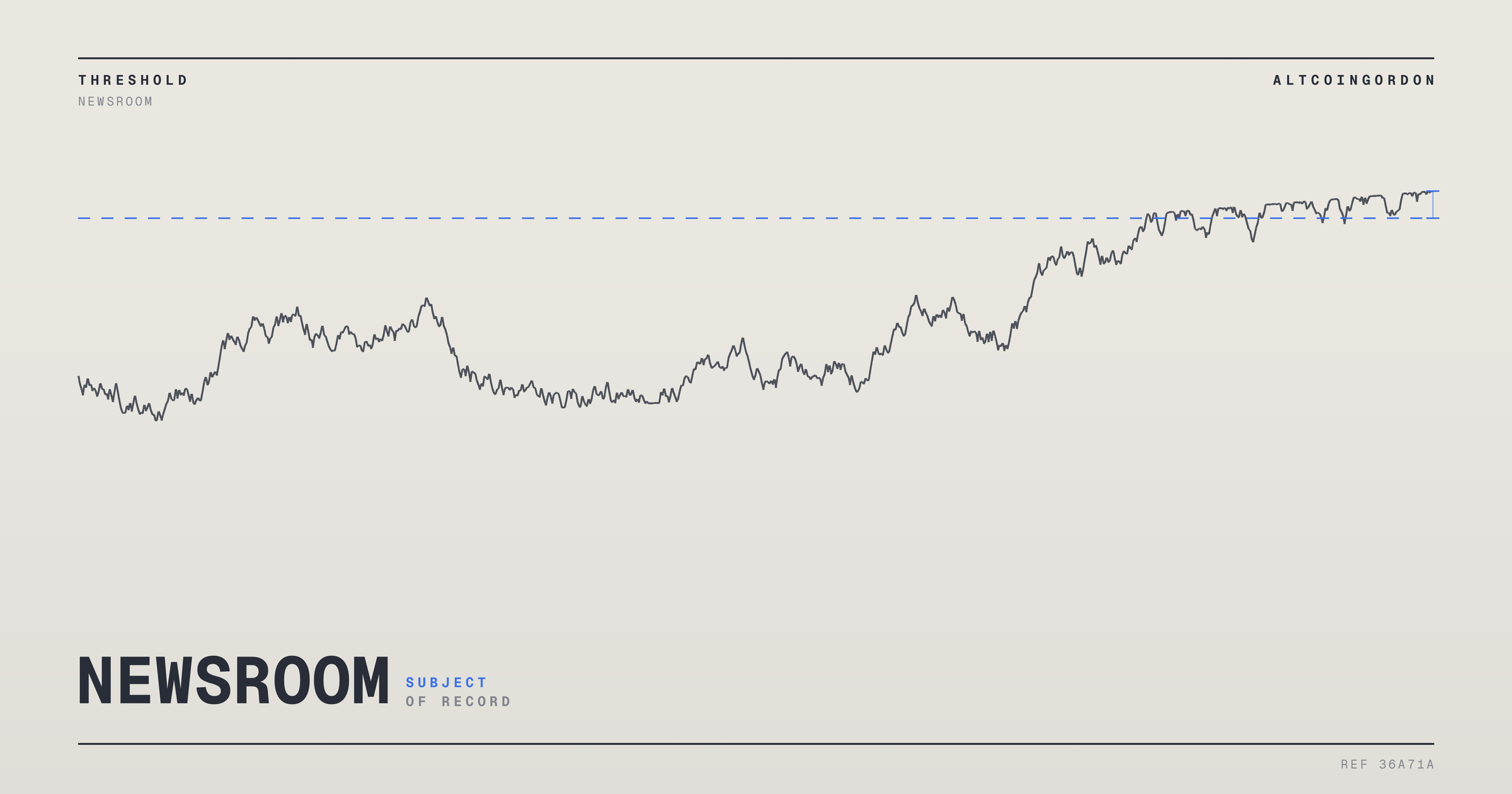
Bitcoin price gained ground on October 28 as blockchain data showed 14,942 BTC withdrawn from exchanges in a short window ahead of the Federal Reserve's policy announcement. The outflow coincided with a broader uptick in bitcoin's price, which had been under pressure in recent sessions.
Exchange outflows of this size are often read by traders as a signal of reduced near-term selling pressure. When coins move into private wallets rather than sitting on trading platforms, it typically suggests holders are less inclined to sell immediately. Analysts tracking on-chain flows noted the timing, just hours before a major macroeconomic event that tends to move risk assets broadly.
The Federal Reserve subsequently held interest rates steady, a decision widely anticipated by markets heading into the meeting. Following the announcement, bitcoin's price returned to around $81,000, according to Bitcoin.com News. The move represented a partial recovery from recent weakness, with the asset regaining ground lost over prior sessions.
Not all coverage framed the bounce as a clean resolution. Crypto Daily described bitcoin's advance as a bounce rather than a decisive breakout, pointing to the Fed decision and upcoming inflation data as factors still capable of shifting sentiment. That framing suggests traders remain cautious about reading too much into a single day's price action.
The interplay between on-chain exchange flows and macroeconomic catalysts has become a recurring theme in bitcoin markets. Large withdrawals ahead of scheduled events like Fed meetings are sometimes interpreted as positioning by holders who expect volatility, whether to the upside or downside. The reduction in exchange-held supply does not guarantee a sustained price move, but it does remove some available coins from immediate trading.
Bitcoin's price has been sensitive to Federal Reserve policy signals throughout the current cycle, with rate decisions, inflation reports, and related commentary from officials routinely triggering short-term volatility. The central bank's decision to hold rates steady this time avoided an immediate shock, but market participants are now turning attention to forthcoming inflation data, which could carry comparable weight for near-term price direction.
Market Impact
The combination of exchange outflows and a steady Fed rate decision appears to have supported a short-term bounce in bitcoin's price back toward $81,000. Reduced exchange supply can limit immediate sell-side liquidity, which may have amplified the positive price reaction once the Fed's decision removed one source of uncertainty.
However, with inflation data still pending, traders are likely to treat this recovery as provisional rather than confirmed. Macro-driven volatility around inflation releases has repeatedly moved crypto markets in recent cycles, and the current setup suggests another data-dependent period ahead for bitcoin and related digital assets.
Bitcoin's bounce to $81,000 reflects both reduced exchange supply and relief following a steady Fed rate decision, but upcoming inflation data leaves the broader price trajectory unsettled.
Frequently Asked Questions
What does it mean when bitcoin leaves exchanges?
When bitcoin is withdrawn from exchanges, it typically moves into private or custodial wallets. Analysts often view this as a sign holders intend to keep coins rather than sell them immediately, reducing available trading supply.
Why did bitcoin's price react to the Federal Reserve's decision?
Bitcoin and other risk assets often respond to Federal Reserve rate decisions because interest rate policy affects overall market liquidity and investor risk appetite. Holding rates steady removed one source of uncertainty for traders.
Is bitcoin's recovery to $81,000 considered stable?
Reporting describes the move as a bounce rather than a confirmed trend reversal. Upcoming inflation data is cited as a factor that could still influence bitcoin's price direction.
How much bitcoin left exchanges before the Fed decision?
On-chain data cited by crypto.news showed approximately 14,942 BTC withdrawn from exchanges in the period leading up to the Federal Reserve's announcement.