

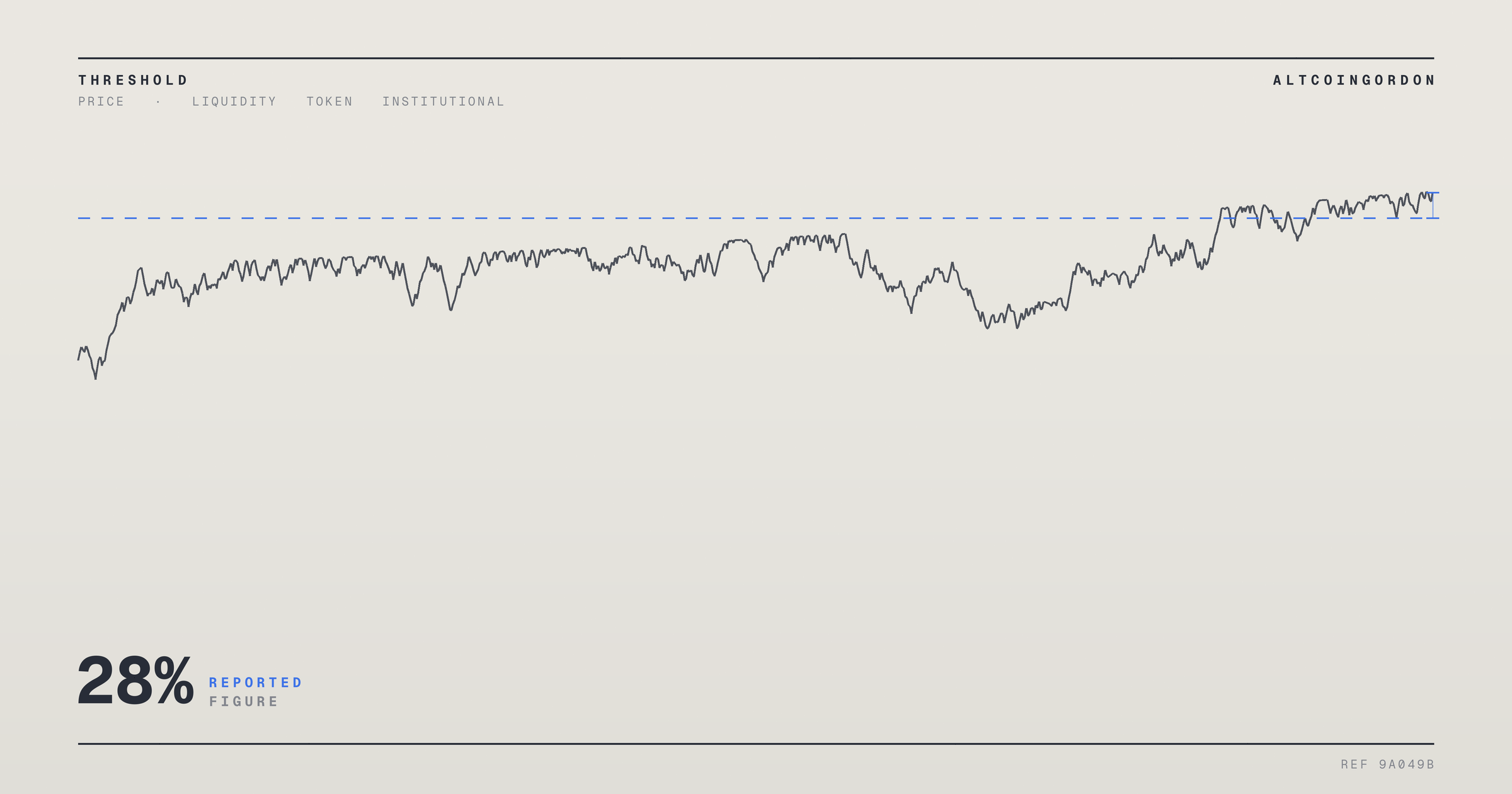
Audiera's BEAT token has seen a significant single-source report describing a 28% price decline tied to the loss of a previously established support level. In technical analysis parlance, a support level represents a price zone where buying interest has historically been strong enough to halt or reverse a downtrend. When such a level breaks decisively, as reportedly occurred with BEAT, it often signals that sellers have gained the upper hand, at least in the short term, and can prompt further liquidation as traders reassess risk.
The report in question, published by AMBCrypto, frames the drop as a potential precursor to additional downside, raising the question of whether BEAT could fall toward the $1 level. It is important to note that this figure represents a hypothetical scenario raised in the sourcing rather than a confirmed price target, and no specific timeline or catalyst for such a move was detailed in the available information.
Low-capitalization and newer altcoins like BEAT are frequently subject to outsized volatility compared to larger, more established cryptocurrencies. Thinner order books mean that relatively modest trading volumes can produce large percentage swings, and the loss of a technical support level in such tokens can trigger cascading effects as automated trading strategies and stop-loss orders are activated.
Readers should treat the 28% figure and the framing around a potential move to $1 as preliminary until further reporting emerges to confirm the scale and context of the decline.
The broader digital asset market continues to experience periods of heightened volatility as macroeconomic conditions, regulatory developments, and shifting investor sentiment influence trading behavior across both major and minor tokens. Smaller projects such as Audiera often lack the liquidity depth and institutional backing that can help cushion larger assets during sharp downturns, making them more susceptible to rapid repricing when technical thresholds are breached.
Without additional verified data on trading volume, market capitalization changes, or the specific technical indicators cited in the original analysis, it remains difficult to assess the durability of the current price action or to determine what, if any, support levels might emerge next should the decline continue.
Market Impact
If confirmed, a 28% single-period decline in BEAT would represent a substantial value erosion for holders and could weigh on short-term sentiment toward the token, particularly among traders relying on technical setups. Such moves in smaller-cap tokens can also affect liquidity providers and exchanges listing the asset, as sharp volatility tends to widen bid-ask spreads and increase slippage for traders attempting to enter or exit positions.
Broader market implications appear limited given BEAT's presumed small market footprint relative to major cryptocurrencies, though the episode underscores the ongoing risk profile associated with lower-liquidity altcoins during periods of market stress. Investors and observers may look for additional reporting or on-chain data to confirm the scale of the decline before drawing further conclusions about the token's trajectory.
As with many rapid altcoin price movements, confirmation from additional sources and further market data will be necessary to fully assess the extent and implications of BEAT's reported decline, including whether the $1 level becomes a relevant point of reference going forward.
Frequently Asked Questions
What caused the reported 28% drop in Audiera's BEAT token?
According to the available report, the decline followed the breach of a key technical support level, though specific catalysts such as trading volume shifts or broader market conditions were not detailed in the sourcing.
Is it confirmed that BEAT will fall to $1?
No. The $1 level is referenced as a possible scenario raised in a single report, not a confirmed price target or prediction, and has not been corroborated by additional independent sources.
Why are smaller altcoins like BEAT more prone to sharp price swings?
Tokens with lower market capitalization and trading liquidity typically have thinner order books, meaning relatively small trades can cause larger percentage price movements compared to major cryptocurrencies.
How reliable is this report given it comes from a single source?
The information has a cross-source agreement of zero at this time, meaning it has not yet been independently verified by other outlets, so readers should treat the specifics as preliminary pending further confirmation.