

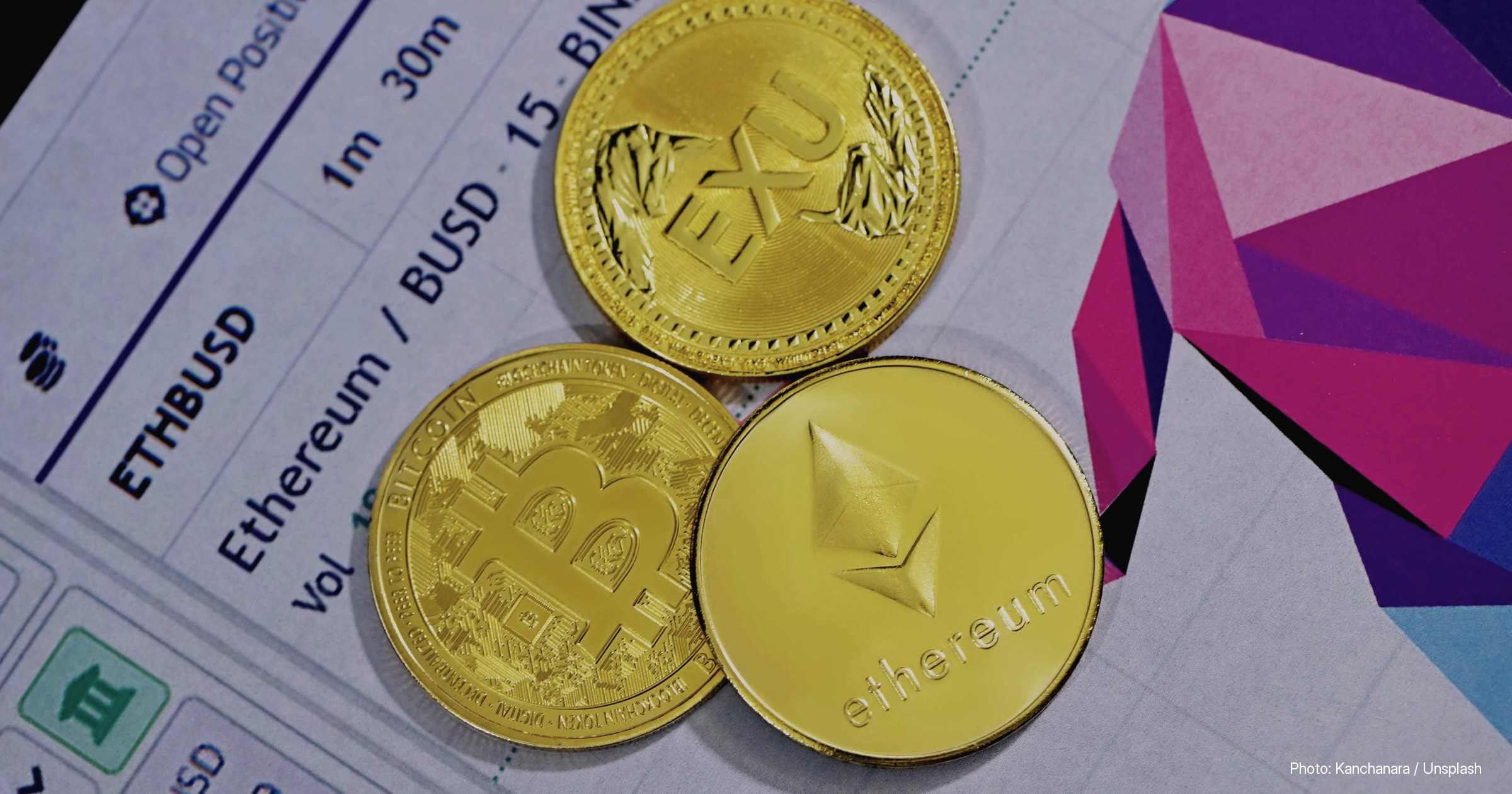
A wallet associated with a known Binance exploit attempted to liquidate a substantial holding of PROM tokens this week. Instead of capturing anywhere near the position's estimated $5 million value, the attempt reportedly yielded only around $71 worth of Ether, according to blockchain analysts tracking the wallet's activity.
PROM is the native token of Prometeus, a project with a comparatively small market and limited trading depth on decentralized exchanges. When large holders attempt to sell sizable positions through automated market makers, the price impact can be severe if the available liquidity pool is shallow. In this case, the mismatch between the size of the sale and the market's capacity to absorb it appears to have been extreme.
Blockchain security researchers routinely monitor wallets connected to past exploits, since stolen funds often sit dormant before attackers attempt to move or launder them. Movement from such wallets typically draws immediate attention from on-chain analysts and exchange security teams. This latest activity was flagged quickly once the transaction appeared on-chain.
The outcome highlights a recurring risk for anyone holding large positions in thinly traded tokens, whether they are legitimate investors or, in this case, an alleged bad actor. Decentralized exchanges rely on liquidity pools funded by other users, and a sale that exceeds the pool's depth can trigger drastic price slippage. The seller receives far less than the token's quoted market value once the trade executes.
For attackers attempting to convert stolen crypto into more liquid or fungible assets like Ether, this kind of slippage represents a significant obstacle. Laundering large sums typically requires either spreading sales across multiple venues and time periods or using tokens with deep liquidity. Dumping a large position in a single transaction on an illiquid market, as appears to have happened here, can be self-defeating.
The incident adds to a broader pattern in which stolen crypto funds are tracked, flagged, and sometimes effectively neutralized by market mechanics before they can be fully cashed out. It also underscores why blockchain transparency, while enabling illicit transfers, simultaneously allows researchers and exchanges to observe and respond to suspicious wallet behavior in near real time.
Neither Binance nor Prometeus has issued a detailed public statement addressing the specific transaction at the time of reporting. The identity of the wallet's controller and the precise origin of the PROM holdings have not been independently confirmed beyond its association with a prior Binance-linked exploit.
Market Impact
The episode is unlikely to move broader crypto markets given the modest scale of PROM's market capitalization and trading volume. For PROM holders specifically, large attempted sell-offs from flagged wallets can still create short-term price volatility and sentiment concerns, even when the seller fails to extract meaningful value.
More broadly, the event serves as a reminder to exchanges and liquidity providers about the risks tied to illiquid tokens being used in attempted laundering schemes. It may also reinforce the practice of monitoring wallets linked to past exploits, since on-chain visibility continues to constrain how effectively stolen funds can be converted into usable assets.
The failed swap illustrates a practical limit facing anyone trying to offload large crypto holdings quickly through illiquid markets. For a wallet tied to a prior Binance exploit, the attempt appears to have destroyed far more value than it recovered.
Frequently Asked Questions
What happened with the Binance hacker's PROM tokens?
A wallet linked to a previous Binance-related exploit attempted to sell roughly $5 million worth of PROM tokens but reportedly received only about $71 in Ether due to thin market liquidity.
Why did the token sale result in such a large loss?
PROM trades with limited liquidity on decentralized exchanges. Selling a large amount at once can cause severe price slippage, meaning the seller receives far less value than the tokens' quoted market price.
Is PROM's market directly affected by this event?
The transaction itself is unlikely to have a lasting market-wide impact given PROM's relatively small trading volume, though it may add short-term volatility and attention to the token.
Has Binance or Prometeus confirmed details about the wallet?
Neither party has issued a detailed public statement confirming the wallet's controller or the exact origin of the PROM holdings at the time of reporting.