

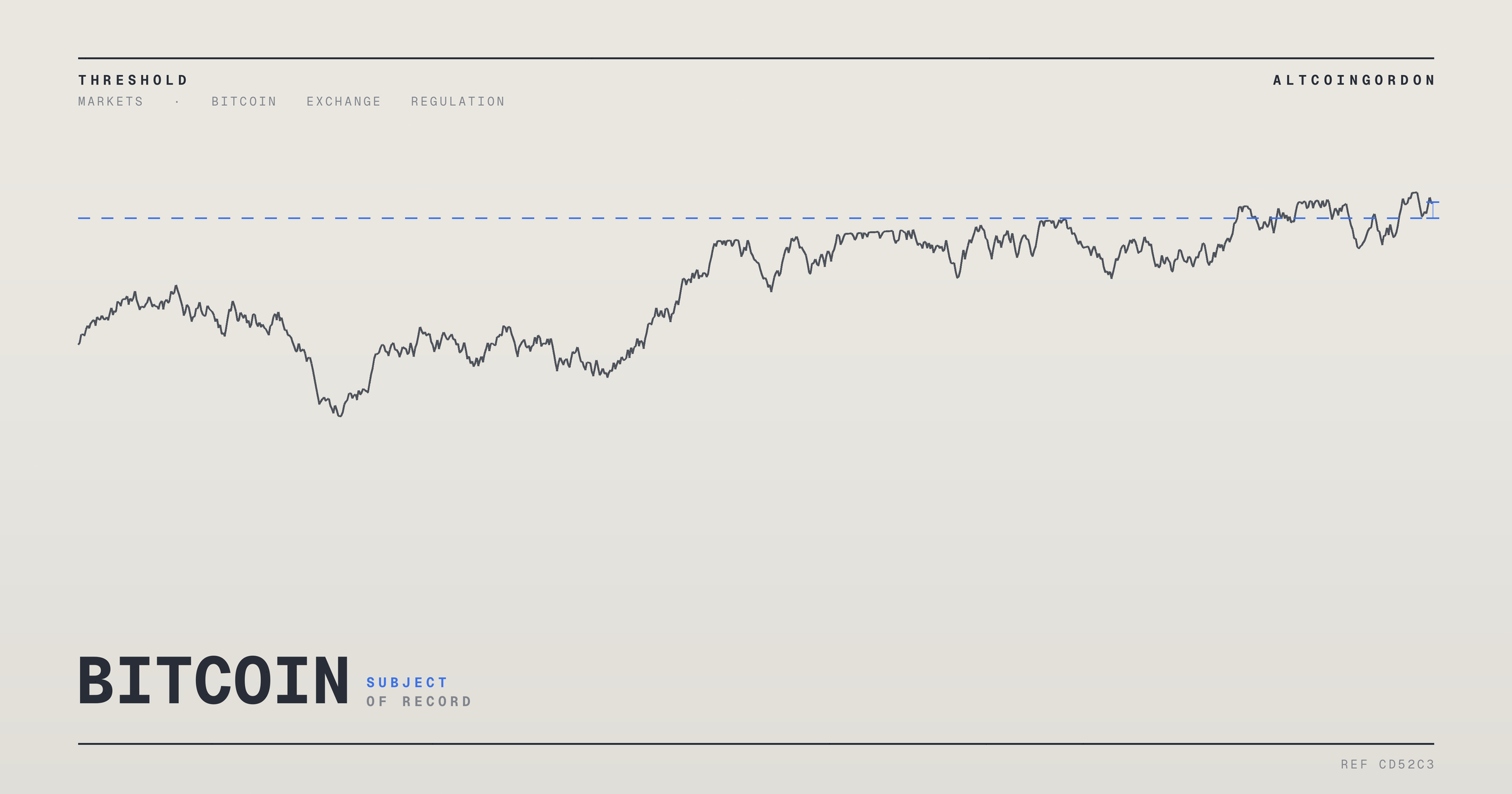
Bitcoin Magazine reported on August 13 that the cryptocurrency's present bear cycle bears a resemblance to prior bear markets. The outlet framed this similarity as a reason for cautious optimism rather than concern.
Bitcoin has a long history of cyclical price behavior. Sharp rallies have historically been followed by extended drawdowns, before markets eventually recover and reach new highs. Analysts who study these cycles often look for recurring patterns in price action, trading volume, and investor sentiment to gauge where the market may be headed next.
According to Bitcoin Magazine, the current downturn shows structural traits consistent with those earlier cycles. The report did not specify exact price levels or percentage moves tied to this comparison. It instead emphasized the broader pattern recognition that has become a common lens for evaluating bitcoin's market behavior.
The idea that a bear cycle can double as a bullish signal may seem counterintuitive. However, it reflects a view held by some market participants that bitcoin's historical cycles tend to resolve in recoveries once certain conditions are met. If the current cycle does mirror past ones, that could support expectations of an eventual rebound, though the timing and magnitude of any recovery remain uncertain.
It is worth noting that cycle-based analysis in cryptocurrency markets carries inherent limitations. Past patterns do not guarantee future outcomes, and each market cycle has unfolded against a different backdrop of regulation, institutional participation, and macroeconomic conditions. Bitcoin's market today includes a broader base of institutional investors, exchange-traded products, and custody infrastructure than in earlier cycles, which could alter how future phases play out.
The report from Bitcoin Magazine did not include specific data points such as drawdown percentages, dates for prior cycle comparisons, or projected timelines for recovery. As such, readers should treat the comparison as a qualitative observation about market structure rather than a precise technical forecast.
This kind of historical framing is common in crypto media coverage during periods of price weakness. Outlets often revisit prior bear markets to contextualize current price action for readers navigating volatility. Whether this particular comparison holds up will depend on how the market behaves in the months ahead.
Market Impact
If the comparison to prior bear cycles proves accurate, it could reinforce sentiment among long-term holders who view downturns as recurring phases rather than permanent shifts. This framing may influence how traders and investors interpret near-term price weakness, potentially reducing panic-driven selling.
However, because the report does not include specific figures or a defined timeline, the practical market impact remains speculative. Broader factors, including regulatory developments, macroeconomic conditions, and institutional flows, will likely play a larger role in shaping bitcoin's actual price trajectory than historical pattern comparisons alone.
The comparison drawn by Bitcoin Magazine offers a historical lens on the current bear cycle, but it stops short of a concrete forecast. Market participants should weigh this qualitative pattern against ongoing developments in regulation, institutional adoption, and macro conditions before drawing firm conclusions.
Frequently Asked Questions
What did Bitcoin Magazine report about bitcoin's current bear cycle?
The outlet reported that bitcoin's ongoing bear cycle shares structural similarities with previous bear markets, framing this resemblance as a potentially bullish signal.
Does this report include specific price targets or dates?
No. The report did not specify exact price levels, percentage drawdowns, or a timeline for any potential recovery.
Why would a bear cycle be considered a bullish sign?
Some market observers view recurring cycle patterns as evidence that downturns are typically followed by recoveries, based on bitcoin's historical price behavior.
Are historical cycle comparisons a reliable predictor of future price movement?
Not necessarily. Past patterns do not guarantee future results, and market conditions such as regulation and institutional participation have changed significantly since earlier cycles.