

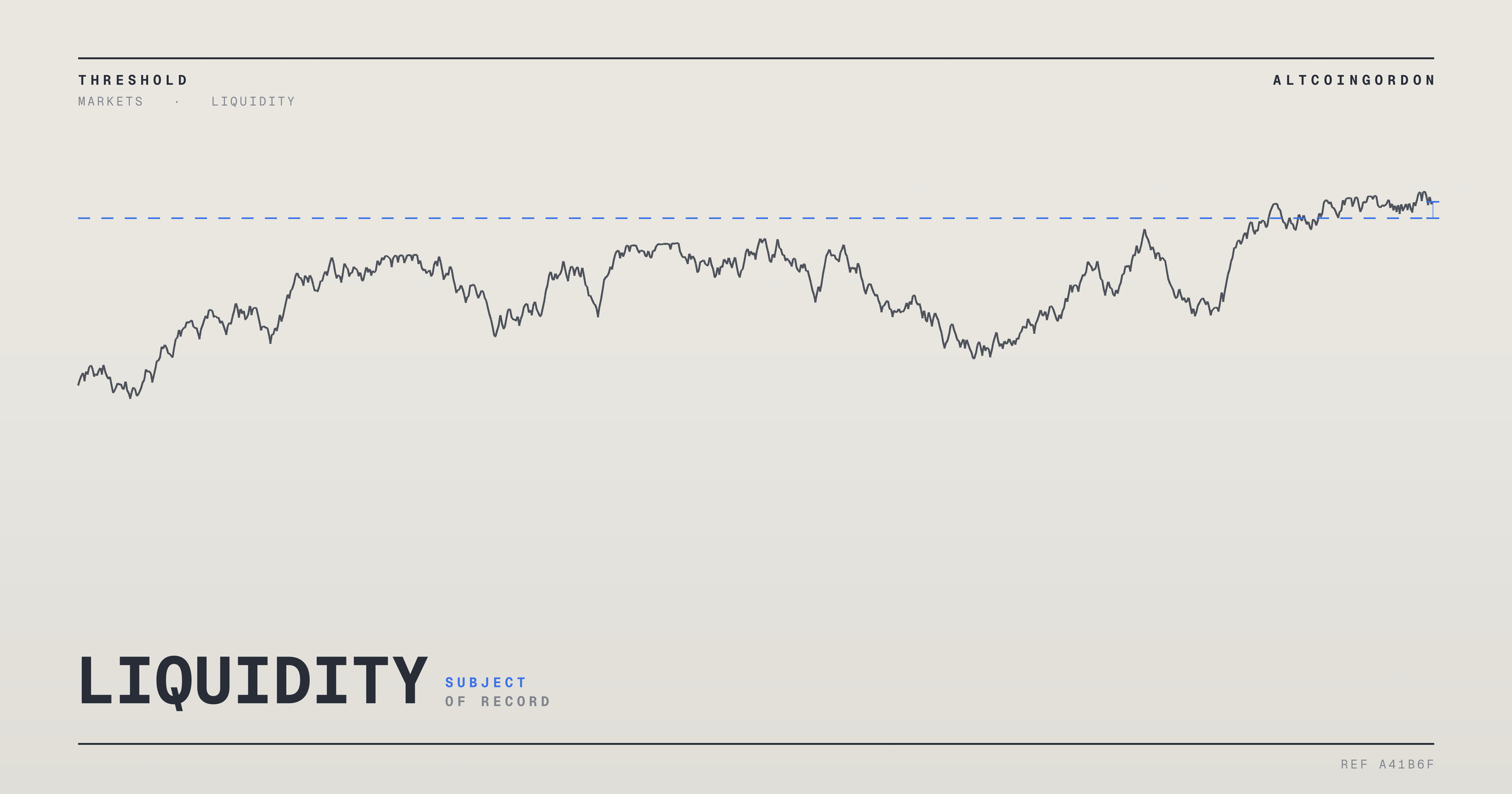
The Bank of Japan could speed up the pace of its interest rate increases as inflation edges nearer to its long-standing target, BeInCrypto reported. The outlet's account points to inflation data trending in a direction that gives policymakers more room to act sooner rather than later.
Japan spent decades battling deflation and near-zero growth in consumer prices. The BOJ kept rates pinned at or below zero for years to try to stimulate spending and investment. That long era of ultra-loose policy began to shift only recently, as inflation readings climbed above levels the central bank had targeted for a generation.
A faster hiking pace, if it materializes, would mark a notable change from the BOJ's historically cautious approach. Japanese policymakers have generally preferred gradual, telegraphed moves over abrupt shifts, wary of destabilizing a economy still recovering from years of stagnant wages and weak domestic demand. Any acceleration would signal growing confidence that inflation is becoming embedded rather than temporary.
The stakes extend beyond Japan's borders. The yen has served for years as a low-cost funding currency for investors borrowing cheaply to buy higher-yielding assets elsewhere, a strategy commonly known as the carry trade. Faster BOJ tightening raises borrowing costs tied to the yen, which can prompt investors to unwind those positions. Analysts have previously linked sudden yen strength to volatility in global equities and, at times, in cryptocurrency markets, given how intertwined leveraged trading strategies have become across asset classes.
BeInCrypto's reporting does not specify a firm timeline or a target rate level for the BOJ's next moves. It frames the possibility of a quicker pace as tied directly to how inflation data evolves in the coming months. Central banks typically weigh multiple data points, including wage growth, import costs, and consumer spending, before committing to a change in policy speed.
Japan's monetary path matters for crypto markets because global liquidity conditions influence risk appetite broadly. When a major central bank tightens faster than expected, it can tighten financial conditions worldwide, affecting flows into speculative assets such as digital tokens. Conversely, a slower or delayed hiking path tends to support looser conditions that many traders view as favorable for riskier investments.
The BOJ has not issued new guidance confirming an accelerated schedule as of this report. Markets will likely watch upcoming Japanese inflation releases and BOJ policy statements for further clarity. Until officials speak directly on the matter, the pace of any future hikes remains a subject of interpretation based on incoming economic data rather than confirmed policy direction.
Market Impact
If the Bank of Japan does move faster on rate hikes, yen-funded carry trades could see renewed pressure, a dynamic that has previously coincided with swings in equity and crypto markets. Higher yen borrowing costs can push investors to reduce leveraged positions across asset classes, including digital assets, as funding becomes less attractive.
Conversely, any signal that the BOJ intends to stay measured could ease concerns about a rapid unwind of carry positions, supporting steadier conditions for risk assets in the near term. Traders and institutions with exposure to yen-denominated funding will likely track incoming Japanese inflation data closely for cues on the central bank's next steps.
The BOJ's next moves on inflation and interest rates remain data-dependent, with no confirmed acceleration from the central bank itself. Market participants, including those in crypto, will continue watching Japanese economic indicators for signs of a shift in tightening pace.
Frequently Asked Questions
What did the report say about the Bank of Japan's rate hike plans?
BeInCrypto reported that the BOJ could speed up its pace of interest rate hikes as inflation moves closer to its target level.
Why does the BOJ's rate policy matter for crypto markets?
The yen has long served as a low-cost funding currency for leveraged trades across asset classes, so faster BOJ tightening can prompt investors to unwind positions, affecting liquidity in riskier markets including crypto.
Has the Bank of Japan confirmed a faster hiking timeline?
No official confirmation has been issued by the BOJ itself. The report describes a possible acceleration tied to how inflation data develops rather than a confirmed policy change.
How has Japan's monetary policy changed in recent years?
After decades of near-zero rates aimed at fighting deflation, the BOJ has moved toward tighter policy as inflation rose above its long-standing target.