

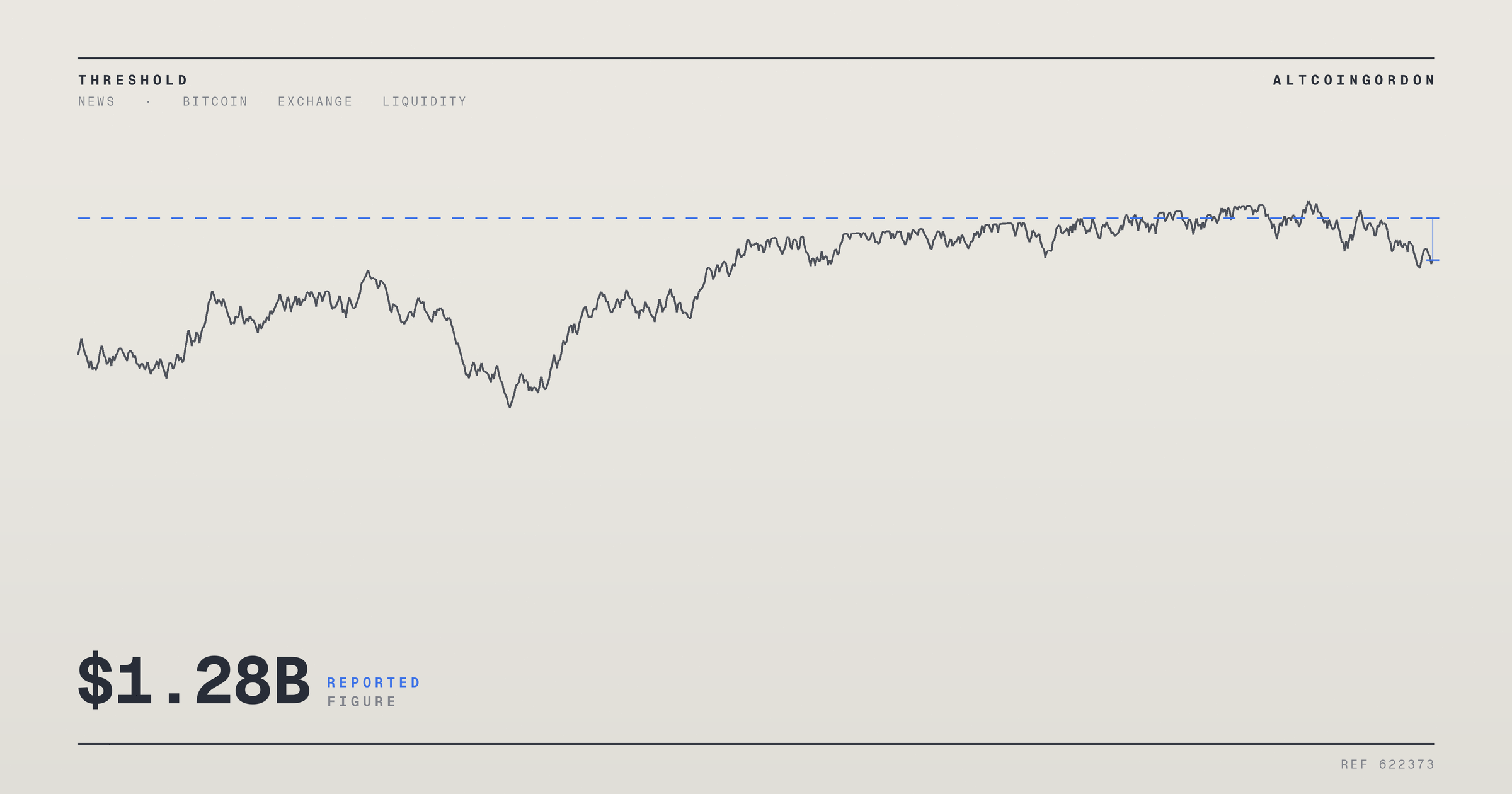
Digital-asset exchange Bullish reported that it held 19,990 bitcoin through the second quarter of the year. CryptoBriefing valued the position at approximately $1.28 billion based on prevailing prices. The figure represents a continuation of the exchange's existing bitcoin treasury, rather than a new accumulation.
Bullish operates as a cryptocurrency exchange platform that has positioned itself within the broader institutional trading landscape. Companies in this sector increasingly disclose digital-asset holdings as part of routine financial reporting. Doing so gives investors and counterparties visibility into balance-sheet exposure to bitcoin price movements.
Holding a large, unchanged bitcoin position through a full quarter suggests a deliberate treasury policy rather than opportunistic trading. Many corporate holders of bitcoin frame such positions as long-term reserves. They argue this approach hedges against currency debasement or diversifies a balance sheet away from cash and traditional securities.
The practice of corporations holding bitcoin as a treasury asset gained prominence after several publicly traded firms adopted the strategy in recent years. Their moves drew attention to how digital assets can sit alongside cash, bonds, and other reserves on a company's books. Bullish's reported holdings place it among firms pursuing a similar approach within the exchange sector specifically.
Maintaining a stable bitcoin position also carries risk considerations that differ from those facing typical corporate treasuries. Bitcoin's price has historically shown significant volatility compared to fiat-denominated reserves. A holding valued at $1.28 billion can shift materially in value over short periods, which affects how the position is reported and perceived.
For an exchange specifically, holding substantial bitcoin can also intersect with its operational role. Exchanges custody client assets, facilitate trading, and often maintain proprietary holdings for liquidity or strategic purposes. Distinguishing proprietary treasury holdings from client-custodied assets remains an important transparency point for market participants evaluating exchange risk.
The disclosure comes amid continued scrutiny of how crypto exchanges manage and report their balance sheets. Following past industry failures tied to opaque asset management, investors and regulators have pushed for clearer accounting of what exchanges hold, and why. Reports like this one contribute to that broader push for balance-sheet clarity across the sector.
Market Impact
A stable, sizable bitcoin holding by an exchange can reinforce confidence in that platform's balance-sheet strategy, particularly among institutional clients evaluating counterparty risk. It may also be read as a signal that the company views bitcoin as a durable reserve asset rather than a short-term trading position.
Broader market impact from a single exchange's holdings is likely limited, given the scale of overall bitcoin supply and daily trading volumes. Still, disclosures of this kind feed into ongoing industry conversations about corporate and exchange-level bitcoin adoption, and they may influence how other firms in the sector frame their own treasury disclosures going forward.
Bullish's steady bitcoin position through the second quarter reflects a treasury approach many crypto firms are adopting. The disclosure adds another data point to the wider trend of digital-asset exchanges holding bitcoin on their balance sheets.
Frequently Asked Questions
How much bitcoin does Bullish hold according to this report?
CryptoBriefing reported that Bullish held 19,990 bitcoin, valued at approximately $1.28 billion, through the second quarter.
Did Bullish add to or reduce its bitcoin holdings during the quarter?
The reported figure indicates the exchange retained its existing position rather than increasing or decreasing it during the period.
Why do crypto exchanges disclose their bitcoin holdings?
Exchanges often disclose treasury holdings to give investors and counterparties transparency into their balance-sheet exposure and risk management practices.
Is holding bitcoin as a treasury asset common among crypto companies?
Yes, several crypto and traditional firms have adopted bitcoin treasury strategies in recent years, treating it as a long-term reserve asset.