

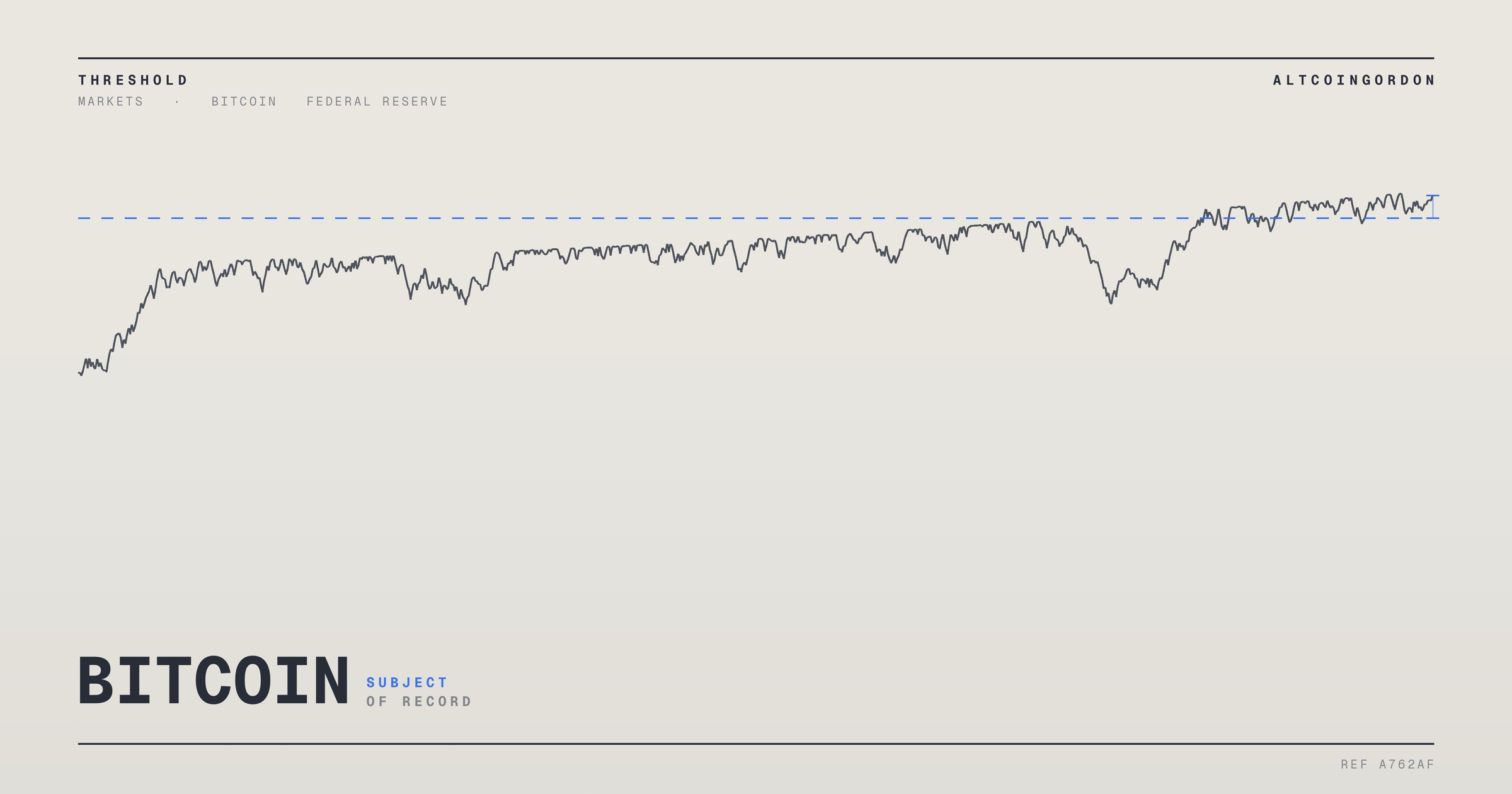
The NFIB Business Optimism Index rose to 99.8, according to a report from CryptoBriefing. The figure exceeded analyst forecasts. It also came in above the index's long-run historical average, a threshold economists often use to judge whether sentiment is running hot or cold.
The NFIB index tracks how small business owners across the United States view current conditions and near-term prospects. It draws on survey responses covering hiring plans, expected sales, capital spending, and views on credit conditions. Because small firms employ a large share of the American workforce, the index is widely used as an early signal of broader economic momentum.
A reading above the historical average suggests owners feel more confident than they have, on balance, over previous decades of survey data. That contrasts with periods of elevated caution tied to inflation concerns, labor shortages, or tighter lending conditions. The improvement reported this week points to a modest firming of sentiment rather than a dramatic shift.
Macro data of this kind matters to crypto markets because it feeds into expectations for Federal Reserve policy. Stronger business confidence can be read as evidence the economy is holding up, which shapes views on how long interest rates might stay elevated. Traders in bitcoin, ether, and other digital assets often react to these signals indirectly, through shifts in bond yields, the dollar, and broader risk appetite.
Small business sentiment gauges also carry weight because they are less influenced by the volatility of financial markets than measures drawn from Wall Street surveys. The NFIB index reflects the views of owners running restaurants, shops, contracting firms, and other Main Street enterprises. Their outlook on hiring and investment offers a grassroots complement to larger macro indicators like GDP growth or the unemployment rate.
CryptoBriefing's report did not break down the specific components driving the increase, such as hiring plans or capital expenditure intentions. Analysts typically examine those sub-indexes separately to judge whether optimism is broad-based or concentrated in a few categories, like expected sales or easier access to credit.
The timing of the release places it alongside other economic data that investors use to calibrate expectations for the Federal Reserve's next moves on interest rates. A steadier small business outlook can reduce fears of an abrupt economic slowdown, a factor that has periodically weighed on risk assets, including cryptocurrencies, over the past two years.
Market Impact
An improving NFIB reading typically feeds into the broader narrative that the US economy is resilient, which can support risk appetite across equities and digital assets. If investors interpret the data as reducing recession risk, it may ease pressure on the Federal Reserve to cut rates aggressively, a dynamic that has previously produced mixed reactions in crypto markets.
Digital asset traders often watch macro releases like this one for secondary effects on the dollar and Treasury yields, rather than reacting to the headline number itself. A stronger small business sentiment print could reinforce expectations of a slower pace of rate cuts, which historically has been a headwind for speculative assets, though the direct link between this specific data point and crypto price action remains indirect and data-dependent.
The rise in the NFIB Business Optimism Index adds another data point to the broader picture of US economic resilience. Markets, including crypto traders, will likely weigh it alongside upcoming inflation and labor data as they assess the path for Federal Reserve policy.
Frequently Asked Questions
What is the NFIB Business Optimism Index?
It is a monthly survey-based index published by the National Federation of Independent Business, measuring how small business owners feel about current and future economic conditions.
Why did the index reading of 99.8 matter?
The figure beat economist forecasts and came in above the index's historical average, signaling firmer confidence among small business owners than typical over the long run.
Why would crypto investors care about small business sentiment data?
Macro indicators like this one shape expectations for Federal Reserve interest rate policy, which in turn influences broader risk appetite that affects assets including cryptocurrencies.
Did the report specify which factors drove the increase?
The report did not break down individual components, such as hiring plans or sales expectations, that contributed to the higher reading.