

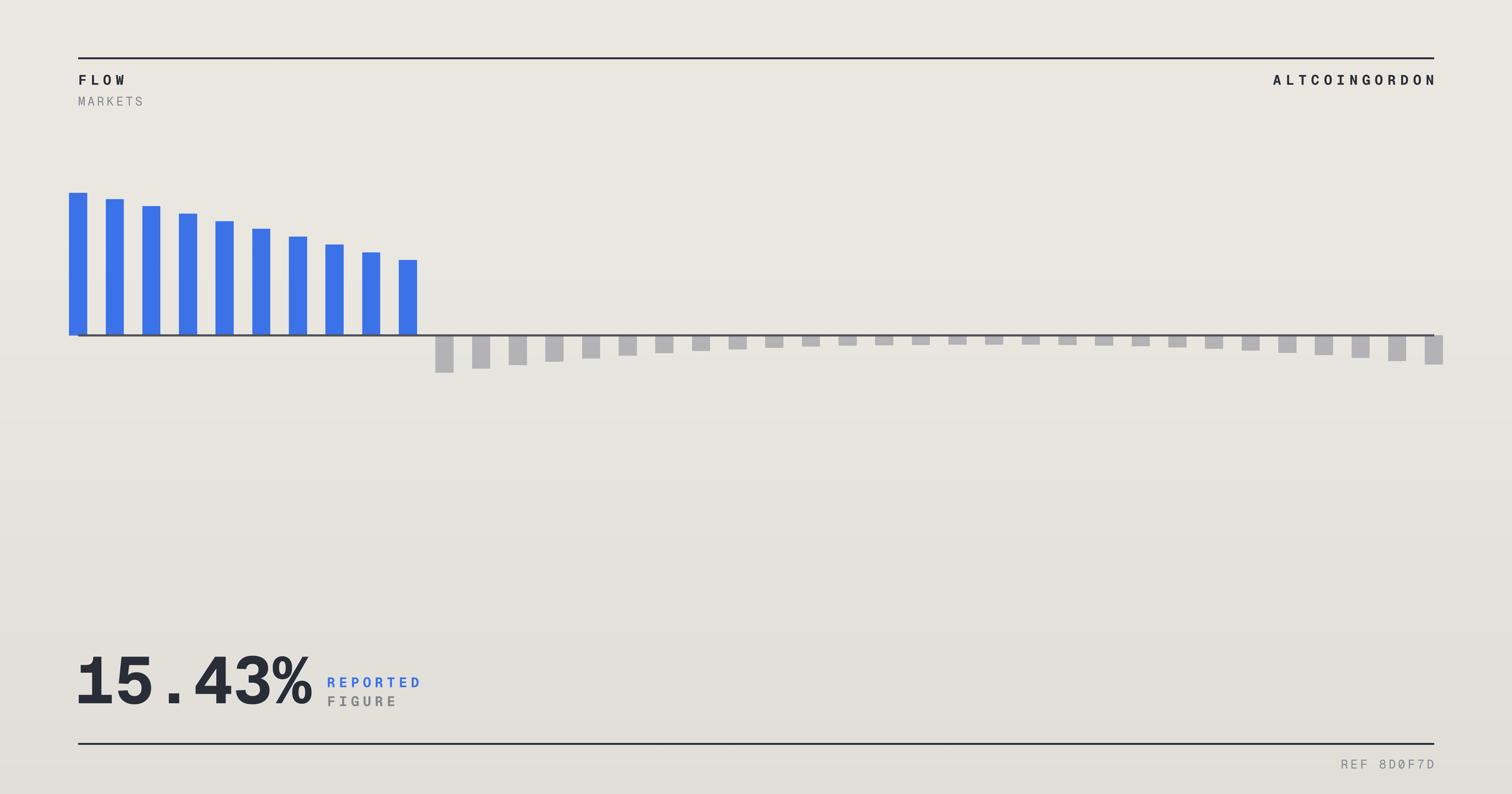
Nigeria's headline inflation rate dropped to 15.43% in July 2026. Nairametrics reported the figure, citing fresh data tied to the country's consumer price index. The reading extends a period of disinflation that has drawn attention from economists and policymakers alike.
BusinessDay NG reported that the decline strengthens the case for an interest rate cut by the Central Bank of Nigeria. The bank has held its benchmark rate at elevated levels for an extended stretch. It did so to combat inflation that had climbed sharply in prior years.
Inflation in Nigeria has weighed heavily on households and businesses. High prices for food, fuel, and imported goods have squeezed disposable income. A sustained slowdown in price growth offers some relief, though the rate remains well above levels considered comfortable by most emerging-market standards.
The Central Bank of Nigeria has used tight monetary policy as its main tool against inflation. Higher interest rates aim to curb borrowing and spending, which in theory slows price growth. A falling inflation rate typically opens room for policymakers to reconsider that stance.
Any move toward rate cuts would carry implications beyond domestic lending markets. Nigeria's currency, the naira, has faced volatility in recent years. Interest rate decisions influence capital flows, currency stability, and investor sentiment toward Nigerian assets.
The inflation reading also matters for Nigeria's broader financial landscape, including its cryptocurrency market. Nigerians have turned to dollar-pegged stablecoins as a hedge against local currency depreciation and inflation. Continued disinflation and potential rate cuts could shift some of that demand, depending on how the naira and broader monetary policy respond.
Nigeria has one of the largest cryptocurrency adoption rates in Africa. Much of that adoption has been tied to inflation concerns and currency controls. Macroeconomic data such as this inflation report often factors into how residents and businesses approach digital assets as an alternative store of value.
The Central Bank of Nigeria has not yet announced a specific policy response to the July figures, based on the reporting available. BusinessDay NG's framing suggests market watchers expect the bank's monetary policy committee to weigh the data heavily in upcoming meetings. Any rate decision would follow the bank's established review schedule.
Economists generally view a sustained decline in inflation as a precondition for rate cuts, rather than a guarantee of one. Central banks also weigh currency stability, fiscal conditions, and external shocks such as oil price movements, which remain significant for Nigeria's oil-dependent economy.
Market Impact
A confirmed slowdown in Nigerian inflation could support expectations of monetary easing, which typically affects borrowing costs, bond yields, and currency markets. Lower interest rates can also influence capital allocation decisions among investors evaluating Nigerian equities, bonds, and alternative assets, including cryptocurrencies.
For Nigeria's crypto sector, inflation trends carry particular weight given the country's history of using stablecoins and digital assets to preserve purchasing power. A continued decline in inflation, paired with naira stability, could moderate some of that demand over time. Any actual rate cut decision from the Central Bank of Nigeria would likely draw close attention from both traditional finance and crypto market participants operating in the country.
The July inflation figure adds fresh data to an ongoing debate over Nigeria's monetary policy direction. Whether the Central Bank of Nigeria moves to cut rates will depend on further data and broader economic conditions in the months ahead.
Frequently Asked Questions
What was Nigeria's headline inflation rate in July 2026?
Nigeria's headline inflation rate fell to 15.43% in July 2026, according to Nairametrics.
Why does the inflation drop matter for interest rates?
BusinessDay NG reported that the decline strengthens arguments for the Central Bank of Nigeria to cut its benchmark interest rate, since falling inflation reduces the need for tight monetary policy.
Has the Central Bank of Nigeria announced a rate cut?
No official rate cut decision was reported alongside the inflation figures. The reporting indicates the data strengthens the case for one, not that a decision has been made.
How does Nigerian inflation affect the crypto market?
Many Nigerians have used dollar-pegged stablecoins to hedge against naira depreciation and inflation. Changes in inflation and interest rates can influence that demand over time.