

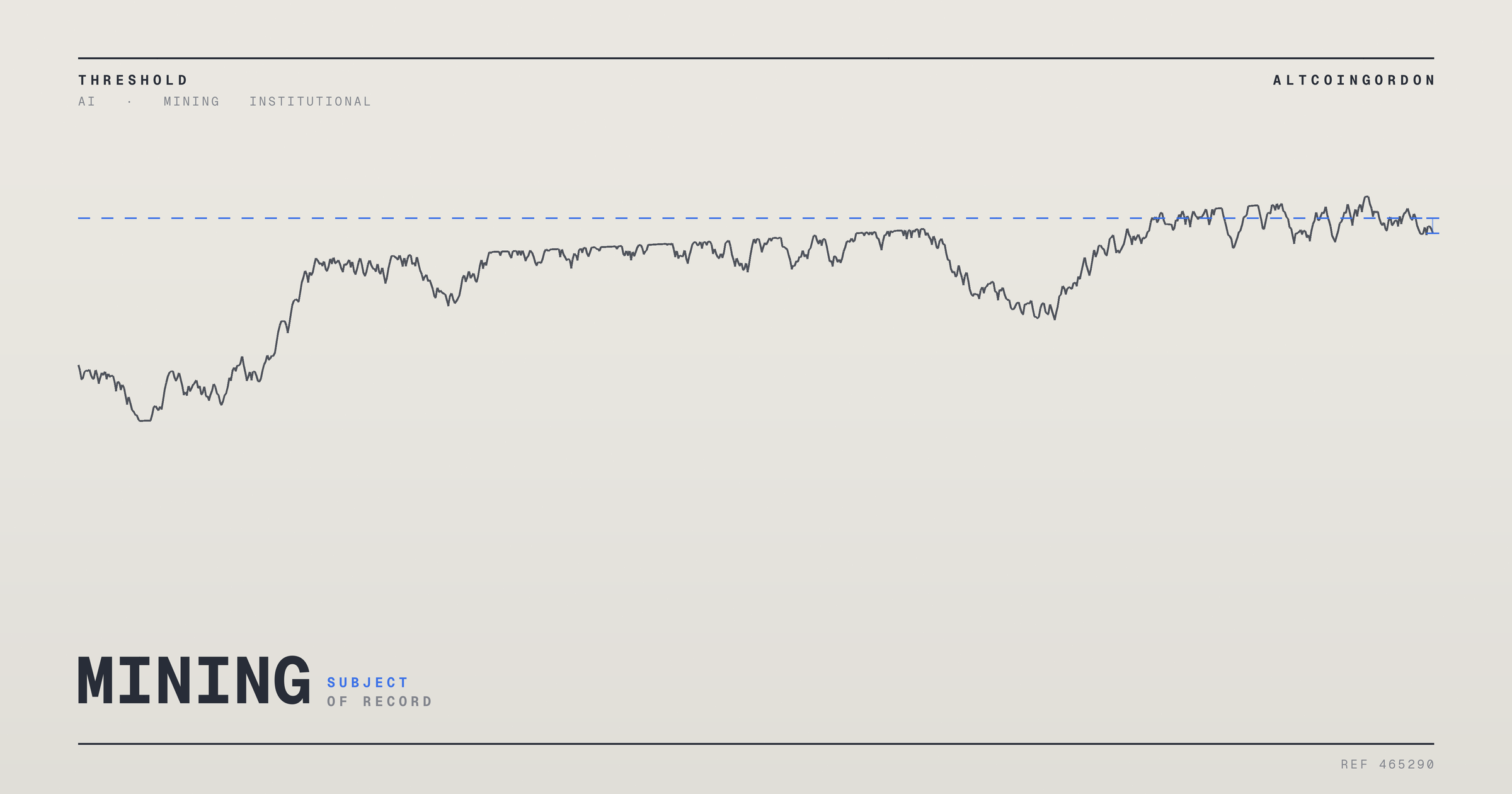
Credit-default swaps referencing Nvidia debt have widened toward record territory, CryptoBriefing reported. A CDS spread widening means investors are paying more to insure against the possibility that Nvidia fails to meet its debt obligations. Higher spreads typically reflect rising perceived credit risk, even when a company's stock price is climbing.
Nvidia has become one of the most closely watched companies in global markets. Its chips underpin much of the artificial intelligence buildout that has driven equity gains across technology sectors since 2023. The company's valuation swings have also rippled into adjacent markets, including cryptocurrency, where GPU-dependent mining operations and AI-linked tokens often track sentiment around chipmakers.
Credit markets and equity markets do not always move in tandem. A stock can rise on growth expectations while its credit spreads widen if investors grow cautious about balance-sheet risk, debt load, or macroeconomic exposure. Watching both markets together often gives a fuller picture of how professional investors view a company's risk profile.
The report did not specify the exact spread levels reached or the tenor of the contracts referenced. It also did not detail what specific catalyst, if any, triggered the widening. CDS markets can react to a range of factors, including broader credit conditions, sector-specific concerns, or shifts in how rating agencies and institutional investors assess corporate risk.
Nvidia's role in the AI hardware supply chain makes its credit standing relevant well beyond its own shareholders. Data center operators, cloud providers, and chip-dependent industries all factor Nvidia's financial health into their own planning. A meaningful shift in how credit markets price Nvidia risk could feed into broader risk-asset sentiment, including in crypto markets that have shown sensitivity to AI-sector news.
As of publication, the report from CryptoBriefing represents the available account of this development. Additional detail on the size of the spread move, the specific CDS tenors involved, and any statement from Nvidia had not been reported elsewhere at the time of writing.
Market Impact
If confirmed and sustained, wider Nvidia CDS spreads could add a layer of caution to the AI-hardware trade that has powered much of the recent tech-sector rally. Investors sometimes treat credit-market signals as an early warning ahead of equity repricing, particularly for companies with outsized influence on broader indices.
Cryptocurrency markets have periodically tracked Nvidia's fortunes given the company's centrality to AI infrastructure and its historical link to GPU-based mining hardware. A deterioration in perceived Nvidia credit quality, if it spreads to broader risk sentiment, could weigh on AI-adjacent tokens and mining-related equities, though no direct crypto market reaction has yet been reported.
The report flags a notable shift in how credit markets are pricing Nvidia risk, though key details remain unconfirmed. Traders across both traditional and crypto markets are likely to watch for further data on spread levels and underlying causes.
Frequently Asked Questions
What does a rising CDS spread mean for Nvidia?
A wider credit-default swap spread means investors are paying more to insure against Nvidia defaulting on its debt. It signals increased perceived credit risk, separate from movements in Nvidia's stock price.
Why would Nvidia's credit risk matter to crypto markets?
Nvidia's chips are central to AI infrastructure and have historically been used in GPU mining. Shifts in sentiment around Nvidia can influence broader risk-asset markets, including tokens and equities tied to AI and computing hardware.
Does a widening CDS spread mean Nvidia is at risk of default?
Not necessarily. Spread widening reflects changing market pricing of risk, not a prediction of default. It can be driven by macroeconomic conditions, sector sentiment, or specific concerns about debt and cash flow.
What specific spread levels were reported?
The report did not disclose exact spread figures or the contract tenors referenced. Further detail on the size and timing of the move had not been reported elsewhere at the time of writing.