

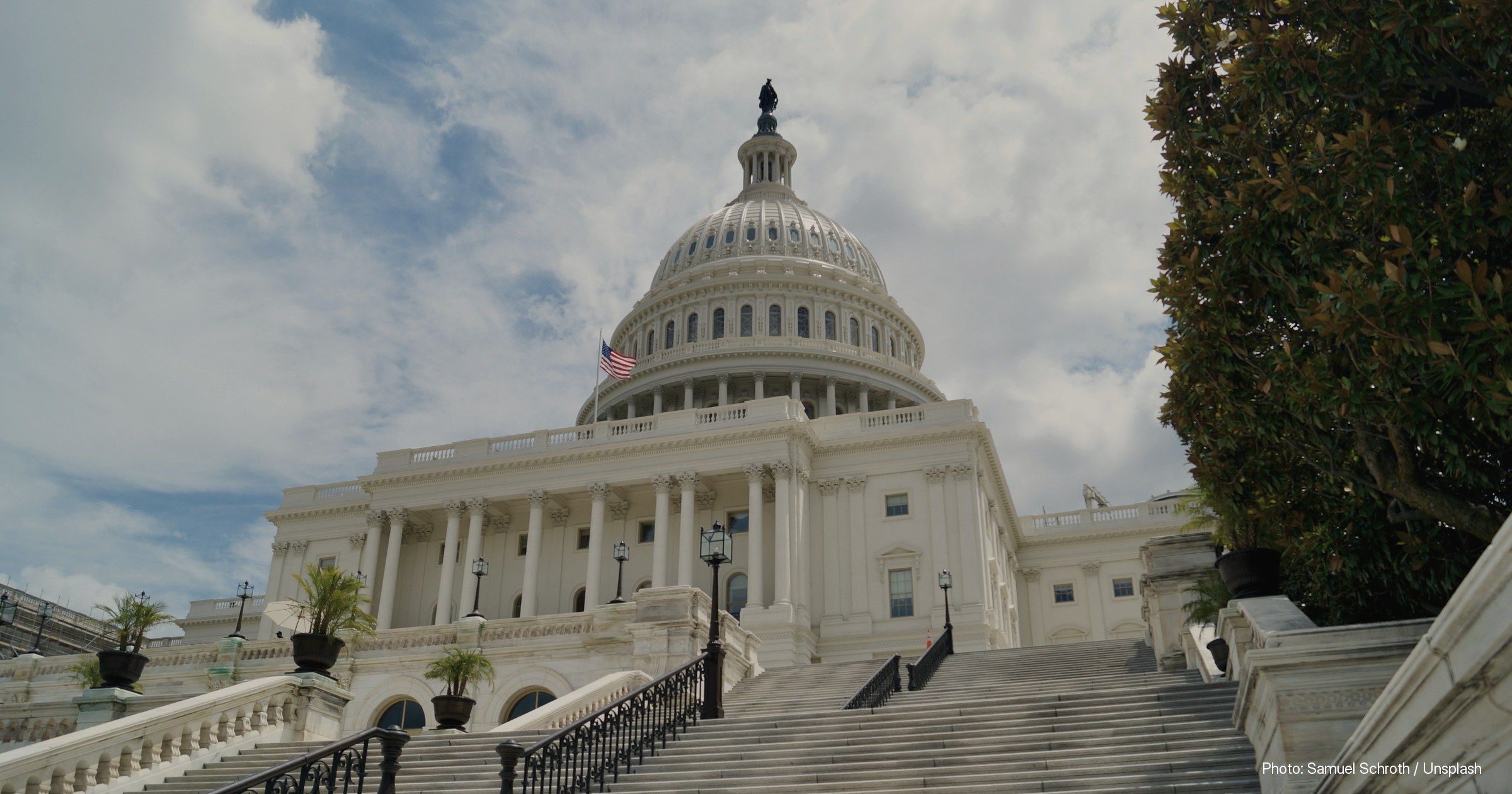
The Clarity Act has been positioned in Washington as an attempt to settle years of uncertainty over which federal agency should oversee digital assets. Lawmakers have worked on drafts meant to divide authority between the Securities and Exchange Commission and the Commodity Futures Trading Commission. The bill's supporters argue that clearer rules would help American exchanges and issuers compete globally.
According to BeInCrypto, a revised version of the bill's text has now drawn resistance from three separate directions before it reaches a Senate vote. The report did not specify every party involved in each front of opposition. It did indicate that the pushback is broad enough to complicate the bill's path forward in its current form.
Market structure legislation of this kind has moved slowly through Congress for several years. Earlier drafts stalled amid disagreement over token classification, custody requirements, and the scope of exemptions for decentralized projects. Any revision that reopens those debates risks delaying a vote lawmakers had hoped to finalize.
The stakes for the crypto industry are significant. Exchanges, custodians, and stablecoin issuers have pushed for a single, predictable rulebook. Without it, companies have had to navigate a patchwork of enforcement actions and state-level rules. A bill that clears the Senate would mark a rare moment of legislative consensus on digital assets.
Opposition to a market structure bill can come from varied sources. Consumer advocacy groups sometimes argue that proposed frameworks weaken investor protections. Segments of the traditional financial industry have at times raised concerns about competitive fairness. Some lawmakers from both parties have also objected to specific provisions, such as how the bill treats stablecoins or decentralized exchanges. It is not yet clear from the available reporting which of these categories, or others, make up the three fronts described.
The timing of the pushback is notable. Reports describe it as arriving just before a scheduled Senate vote, leaving limited time for sponsors to negotiate changes. Bills facing last-minute objections from multiple directions often see delayed timelines or additional amendments. Whether that pattern repeats here remains to be seen.
The crypto industry has watched the Clarity Act closely because it would directly shape how tokens, exchanges, and custodial services are regulated at the federal level. A delay or further revision would extend the current period of regulatory ambiguity that many firms have cited as a barrier to expanding operations in the United States.
Market Impact
If the pushback delays or reshapes the Senate vote, crypto firms operating in the United States may face continued uncertainty over which agency governs their products. Exchanges and token issuers that have paused expansion plans pending clearer rules could remain in a holding pattern. Markets have generally reacted positively to signs of legislative progress on digital asset rules in the past, so renewed friction before a vote could temper near-term optimism among industry participants awaiting regulatory clarity.
The revised Clarity Act now faces resistance from multiple directions just as it nears a Senate vote, underscoring how unsettled U.S. crypto regulation remains even as lawmakers attempt to finalize a framework.
Frequently Asked Questions
What is the Clarity Act?
It is proposed federal legislation aimed at establishing clearer market structure rules for digital assets, including how oversight is divided between regulators such as the SEC and CFTC.
What does 'three-front pushback' mean in this context?
It refers to opposition to the revised bill text arising from three separate sources or interest groups, though the specific identities of all three were not detailed in the available reporting.
Will this pushback stop the Senate vote from happening?
That is not confirmed. Reports indicate the opposition emerged before the scheduled vote, which could lead to delays or amendments, but no outcome has been reported yet.
Why does this bill matter to the crypto industry?
The Clarity Act would establish a clearer regulatory framework for exchanges, token issuers, and custodians, potentially reducing the uncertainty that has affected U.S. crypto businesses for years.