

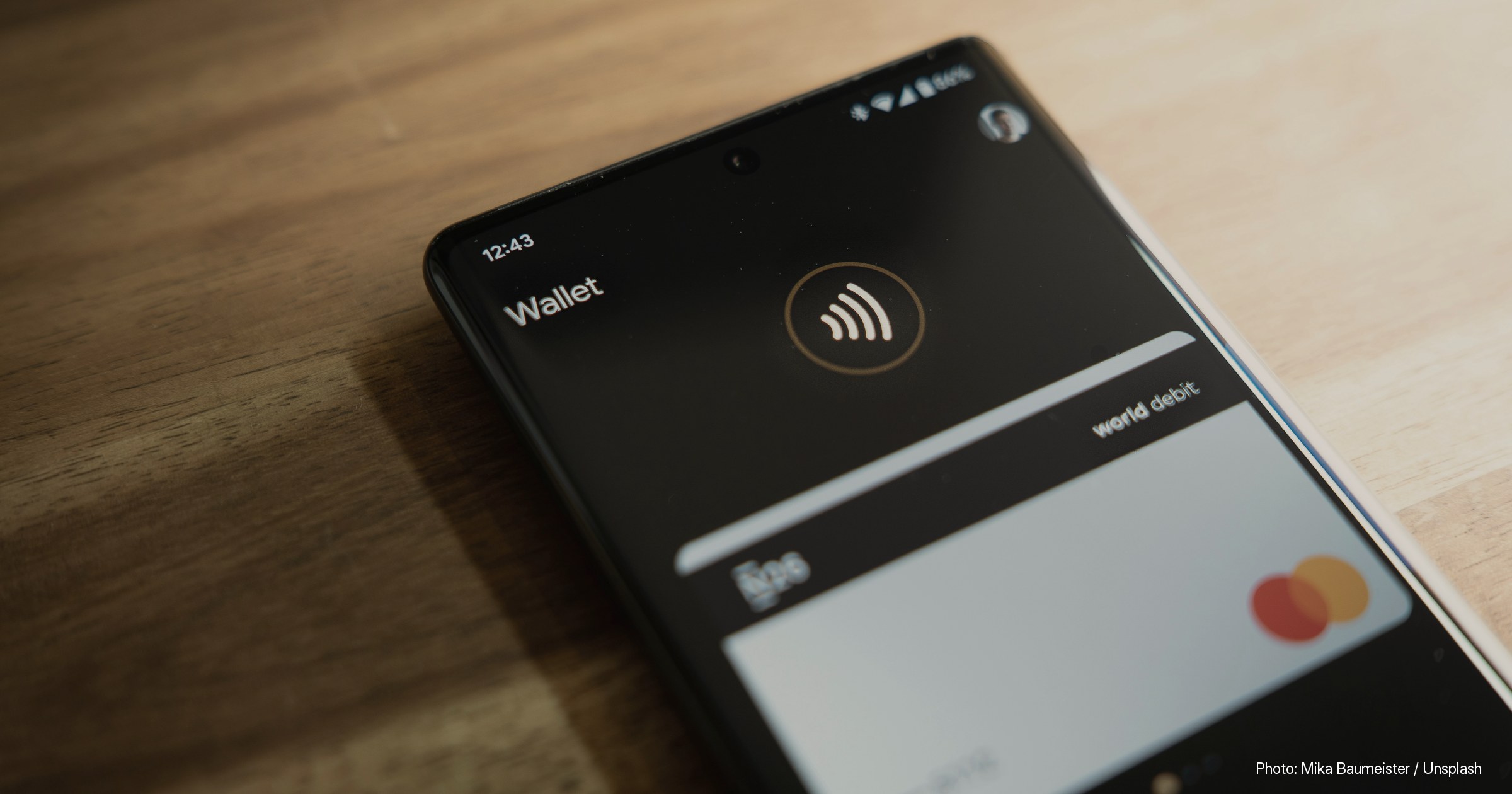
Stablecoin wallets are being positioned as a genuine alternative to traditional bank accounts for holding and managing everyday money. Reports from CoinDesk and CryptoBriefing describe a shift in consumer behavior, with digital wallets built around dollar-pegged tokens increasingly used as a primary financial hub rather than a niche tool for crypto trading.
Stablecoins were originally designed to give crypto traders a stable asset for moving between volatile tokens without cashing out to fiat currency. That narrow use case has expanded significantly over the past several years. Today, stablecoins are used for payments, remittances, savings, and merchant settlement in various parts of the world.
The reported trend suggests this evolution is now reaching a new stage. Wallets that hold stablecoins are starting to function the way a checking or savings account would for a traditional bank customer. Users can receive funds, hold balances, and pay for goods and services, all without touching a conventional bank rail.
This matters because bank accounts have historically been the default entry point into the financial system. Direct deposits, bill payments, and savings have all been anchored to accounts insured and regulated under national banking frameworks. If stablecoin wallets take on a similar role, it could mark a meaningful change in how money moves for ordinary consumers, not just active crypto traders.
The timing is notable given the broader regulatory backdrop. Governments and financial regulators worldwide have spent recent years building clearer rules for stablecoin issuers, custody practices, and reserve requirements. Clearer rules have historically made it easier for mainstream users and institutions to adopt a financial product with more confidence. As stablecoin issuers face closer scrutiny over reserves and transparency, some of the trust barriers that kept casual users away from digital wallets appear to be lowering.
Banks have taken notice of this shift for some time. Many traditional financial institutions have explored issuing their own stablecoins or partnering with crypto firms to avoid losing deposit relationships. The concern is straightforward: if consumers move meaningful balances into stablecoin wallets, banks could see a reduction in low-cost deposits, which have long funded a large share of lending activity.
For consumers, the appeal reportedly lies in speed, accessibility, and the ability to move funds across borders without relying solely on traditional banking rails. Stablecoin transfers can often settle faster than conventional bank wires, particularly for cross-border transactions. This has particular relevance in regions where banking infrastructure is limited or costly to access.
Still, the comparison between stablecoin wallets and bank accounts is not one-to-one. Bank deposits generally carry government-backed insurance protections. Stablecoin holdings depend on the issuer's reserve management and the wallet provider's security practices. Those structural differences remain central to how regulators and consumers alike are likely to evaluate this emerging competition going forward.
Market Impact
If stablecoin wallets continue gaining traction as a consumer money hub, the effects could ripple through both the crypto and banking sectors. Increased everyday use of stablecoins would likely boost transaction volumes for major stablecoin issuers and the blockchain networks that support them, reinforcing stablecoins' role as core financial infrastructure rather than a trading accessory.
For traditional banks, a meaningful shift of consumer balances into stablecoin wallets could pressure deposit bases over time, a factor that would matter for institutions reliant on low-cost funding. This dynamic may accelerate bank interest in issuing their own stablecoins or forming partnerships with crypto infrastructure providers to retain customer relationships and transaction flow.
The reported rise of stablecoin wallets as a consumer money hub signals a gradual but notable shift in financial habits, one that regulators, banks, and crypto firms are all likely to watch closely in the months ahead.
Frequently Asked Questions
What is a stablecoin wallet?
A stablecoin wallet is a digital wallet that holds dollar-pegged or other fiat-pegged cryptocurrency tokens, allowing users to store, send, and receive value without relying on a traditional bank account.
Why are stablecoin wallets being compared to bank accounts?
Reporting indicates consumers are increasingly using stablecoin wallets for everyday functions like receiving payments and covering expenses, roles traditionally filled by checking or savings accounts at banks.
Are stablecoin wallets insured like bank deposits?
Generally, stablecoin holdings do not carry the same government-backed deposit insurance protections that traditional bank accounts have, and their safety depends on issuer reserves and wallet security practices.
How might banks respond to this trend?
Some banks are reportedly exploring issuing their own stablecoins or partnering with crypto firms to avoid losing deposit relationships as consumers explore stablecoin wallets.