

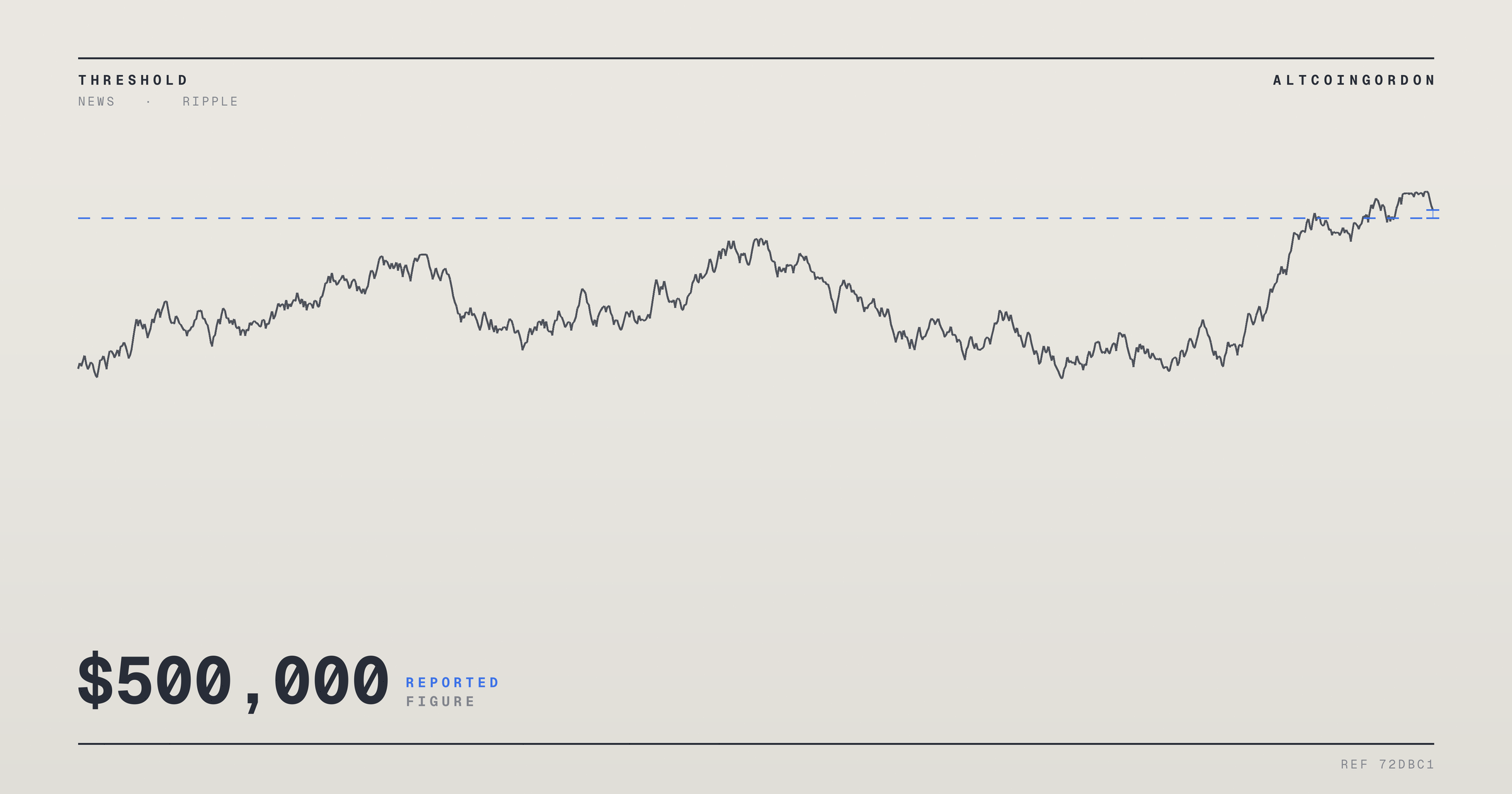
Tanker hiring costs have surged toward $500,000 per day, according to a report published by CryptoBriefing on August 10, 2026. The outlet attributed the jump to shipowners avoiding the Strait of Hormuz amid ongoing tension linked to the Iran conflict.
The Strait of Hormuz sits between Iran and Oman and serves as one of the narrowest, most heavily used maritime corridors for oil cargo. A large share of seaborne crude moves through the passage on its way to global markets. Any disruption there tends to ripple quickly through freight and energy pricing.
When owners judge a route too risky, they often demand sharply higher day rates to compensate for potential losses. Those losses can include vessel damage, crew safety incidents, or costly insurance claims tied to war-risk coverage. The reported rate levels suggest that calculation has shifted meaningfully in recent weeks.
Rising charter costs do not automatically mean fewer vessels are moving oil. Some owners may still sail through the strait if compensated enough. Others appear to be avoiding the route altogether, tightening available capacity and pushing prices higher for the ships still willing to make the trip.
The report did not specify exact volumes of oil affected or a breakdown of which fleets are pulling back. It also did not detail how insurers are pricing war-risk premiums for the route right now. Those specifics matter for judging how deep the disruption runs, and further reporting may clarify the scale involved.
Historically, tanker rates have spiked during past periods of regional conflict near the Gulf, though the size and duration of those spikes has varied case by case. Analysts watching this situation will likely compare the current move against those earlier episodes to gauge whether it reflects a temporary risk premium or a more lasting shift in shipping patterns.
The broader oil and shipping industries tend to react fast to signals like this, even before physical supply is confirmed to be affected. Traders often price in the risk of disruption well ahead of any actual shortage materializing at the pump or in refined product markets.
Market Impact
Elevated tanker rates typically feed into higher landed costs for crude oil, since freight is a direct input into delivered pricing. If owners continue avoiding the Strait of Hormuz, insurers may also raise war-risk premiums further, adding another cost layer for shippers and, eventually, buyers.
Energy market volatility of this kind can spill into broader risk sentiment, including in crypto markets, where traders often watch oil and macro signals for cues on liquidity and risk appetite. A sustained rise in shipping costs tied to Middle East tension could also pressure inflation expectations, which central banks and markets track closely when setting policy and pricing risk assets.
The reported spike in tanker hiring costs signals real caution among shipowners navigating the Strait of Hormuz right now. Whether this proves a short-lived risk premium or the start of a longer disruption will depend on how the underlying Iran conflict develops in the coming weeks.
Frequently Asked Questions
Why are tanker rates rising near the Strait of Hormuz?
According to the CryptoBriefing report, shipowners are demanding higher day rates because tension tied to the Iran conflict has made the route feel riskier to operate.
How high have tanker hiring costs reportedly gone?
The report cited daily hiring costs approaching $500,000, a level that reflects added risk compensation owners are seeking for the route.
Does this mean oil supply through the strait has stopped?
Not necessarily. Higher rates mean some owners are avoiding the route, but the report did not indicate a full halt in vessel traffic through the strait.
Could this affect broader financial markets, including crypto?
Shipping and oil market stress can influence overall risk sentiment and inflation expectations, factors that traders across asset classes, including crypto, often monitor.