

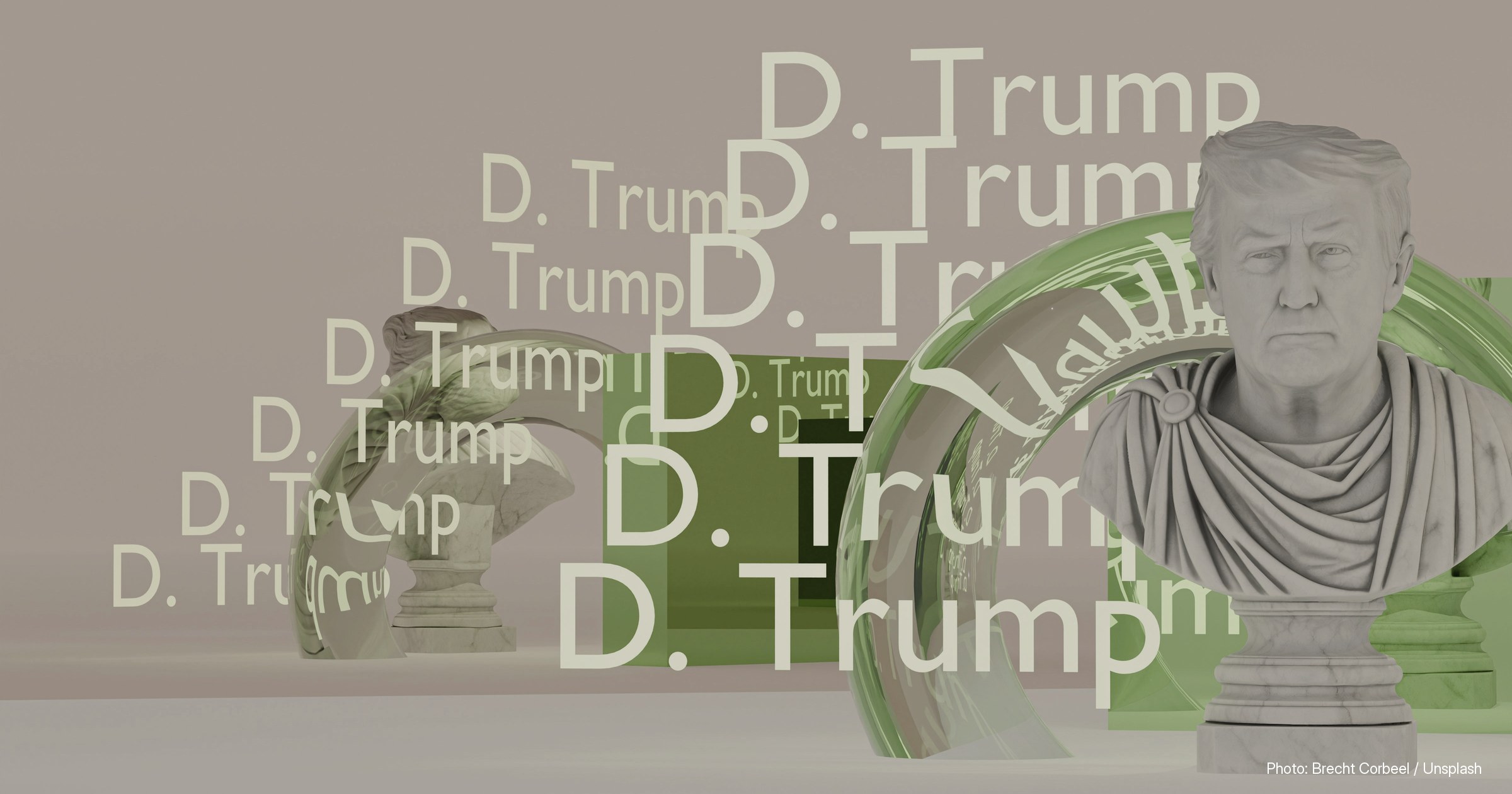
President Donald Trump said he would consider halting trade with countries that run deficits against the United States if the Federal Reserve refuses to cut interest rates. The comments, reported by CryptoBriefing and Daily Sabah Business, mark an unusual attempt to connect trade policy with monetary policy decisions made by an independent central bank.
Trump has repeatedly pressured the Fed to lower rates throughout his time in office, arguing that cheaper borrowing costs would boost economic growth and strengthen American competitiveness. The Fed has historically resisted political pressure, maintaining that its dual mandate of stable prices and maximum employment guides rate decisions independent of the White House.
The specific mechanism Trump described would tie trade relationships to Fed policy outcomes, though neither source detailed which countries might be targeted or what threshold of deficit would trigger action. Trade deficits occur when a country imports more goods and services than it exports, a metric Trump has long cited as evidence of unfair trade practices by partner nations.
This is not the first time Trump has used trade measures as leverage in broader economic disputes. His previous administration imposed tariffs on numerous trading partners, often framing them as tools to correct imbalances or extract concessions on unrelated policy matters. Linking trade actions explicitly to Fed rate decisions would extend that approach into monetary policy territory, an area traditionally kept separate from executive trade authority.
The Federal Reserve's independence from political influence is considered a cornerstone of modern central banking. Economists generally argue that this separation prevents short-term political incentives from distorting long-term monetary stability. Public threats tying trade actions to rate cuts could raise questions about that independence, even if the threats are not immediately acted upon.
Market participants have watched Trump's commentary on the Fed closely throughout his presidency, given the potential for such statements to influence expectations around future rate paths. Interest rate expectations affect a wide range of asset classes, including equities, bonds, and cryptocurrencies, all of which respond to shifts in borrowing cost forecasts.
Neither source specified a timeline for when such trade actions might be implemented, nor did they clarify whether this represents a firm policy proposal or a rhetorical pressure tactic aimed at influencing the Fed's upcoming rate decisions. The ambiguity leaves open questions about how seriously the threat should be weighed against past instances of similar rhetoric that did not result in concrete action.
The report comes amid ongoing public debate over the Fed's rate trajectory, with the central bank balancing inflation concerns against signs of slowing economic momentum. Trump's comments add another variable to that debate, inserting explicit trade consequences into what has traditionally been a discussion confined to inflation data and employment figures.
Market Impact
Statements linking trade policy to Fed decisions can influence market expectations even before any formal action occurs. Traders often react to perceived threats to central bank independence, since such threats can shift assumptions about future rate paths and currency stability.
Cryptocurrency markets, which tend to respond to shifts in interest rate expectations and dollar strength, may see volatility if traders interpret the comments as increasing pressure on the Fed. However, without confirmed policy action, the immediate practical effect on trade flows or monetary policy remains uncertain.
The comments underscore ongoing tension between the executive branch and the Federal Reserve over interest rate policy. Whether the trade threat translates into actual measures, or remains rhetorical pressure, will likely depend on the Fed's next moves and how markets respond in the interim.
Frequently Asked Questions
What did Trump propose regarding trade and the Fed?
Trump said he could halt trade with countries running deficits against the United States if the Federal Reserve does not cut interest rates.
Which countries would be affected by this proposal?
Neither source specified which nations might be targeted or what deficit threshold would trigger such action.
Has the Federal Reserve responded to this statement?
No Fed response was included in the available reporting on this story.
Why does linking trade policy to Fed decisions matter?
The Federal Reserve's independence from political pressure is considered important for maintaining stable monetary policy, so explicit threats tying trade actions to rate decisions raise questions about that separation.