

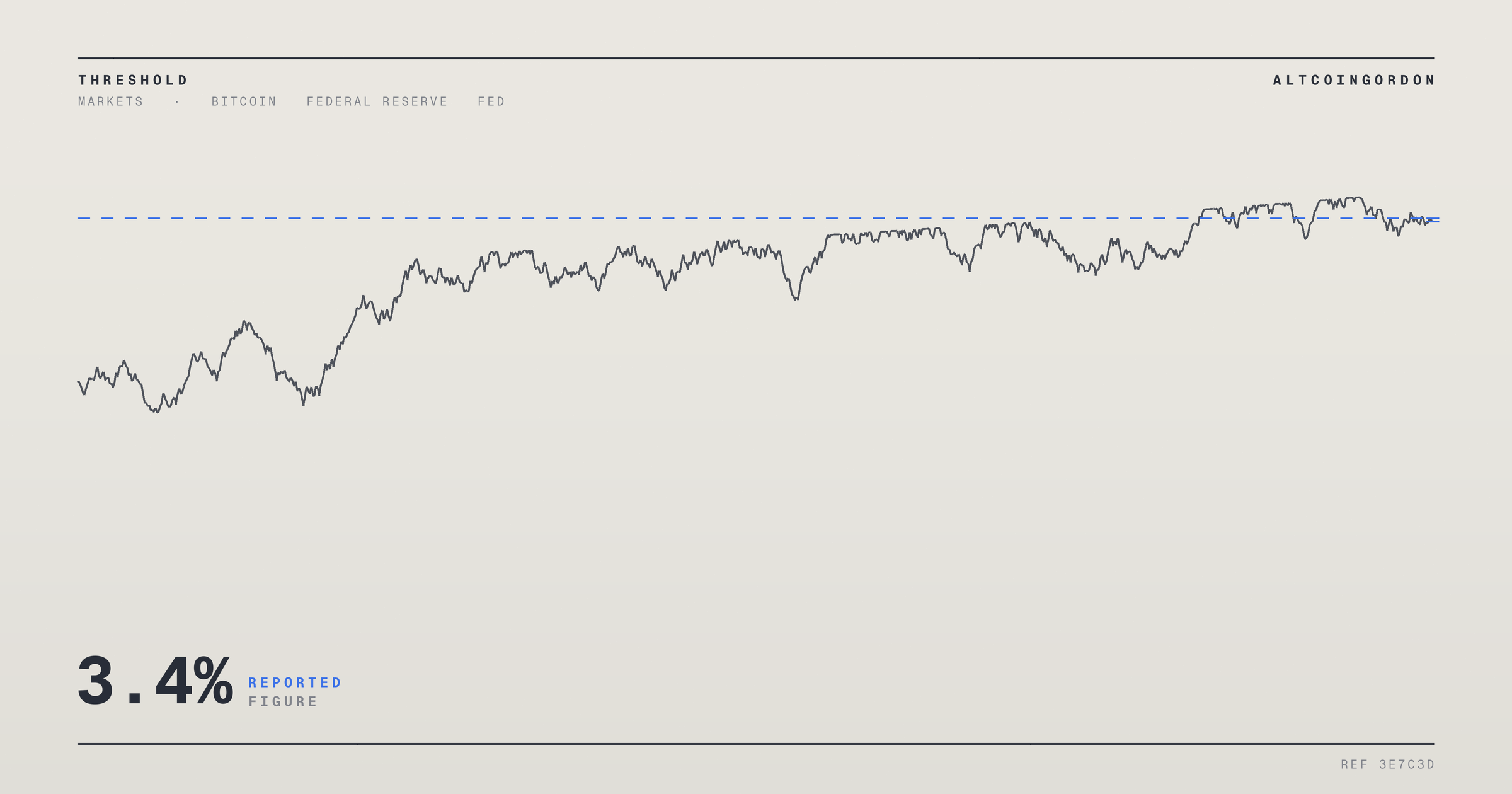
The Bureau of Labor Statistics data cited by Yahoo Finance showed consumer prices climbing 0.1% in July 2026 on a monthly basis. Annual inflation held at 3.4%, unchanged from the prior reading reported for the period. The modest monthly gain suggests price pressures cooled somewhat compared with earlier in the year, even as the yearly figure remains well above the Federal Reserve's long-standing 2% target.
Inflation data of this kind carries outsized weight for financial markets because it feeds directly into expectations for monetary policy. The Federal Reserve has spent much of the past several years balancing efforts to tame inflation against concerns about slowing growth and labor market strain. A CPI print that comes in softer than feared tends to boost hopes that the central bank can ease policy sooner. A hotter-than-expected number does the opposite, reinforcing bets that rates will stay elevated for longer.
The 3.4% annual rate keeps inflation in a range that has persisted for much of the current cycle. Prices have not returned to the low, stable readings that characterized the pre-pandemic era. Officials at the Fed have repeatedly said they want sustained evidence of inflation moving toward target before committing to further rate cuts. A single monthly report rarely settles that debate, but it does shape the near-term tone of trading across asset classes.
Cryptocurrency markets have grown increasingly sensitive to macroeconomic releases like the CPI report. Bitcoin and other digital assets have, at various points over recent years, traded in tandem with expectations for interest rates and liquidity conditions. When investors anticipate looser monetary policy, risk assets including crypto have historically found support. When inflation surprises to the upside, the same assets have often faced selling pressure as traders price in tighter conditions for longer.
The July 2026 reading arrives at a moment when market participants are closely tracking the path of Fed policy heading into the back half of the year. Analysts and traders will parse the report alongside other economic indicators, including employment data and producer prices, to gauge the broader inflation trajectory. No single data point determines Fed decision-making, but each release adds to the picture policymakers use when weighing their next move.
For now, the data offers a mixed signal. The monthly figure points to a slowdown in price growth. The annual rate shows inflation still running above the Fed's comfort zone. That tension is likely to keep both traditional and crypto markets attentive to upcoming economic reports and any accompanying commentary from Federal Reserve officials.
Market Impact
A softer monthly CPI reading typically encourages hopes for eventual rate cuts, which can lift sentiment in risk assets including equities and cryptocurrencies. However, the annual rate remaining at 3.4%, above the Fed's target, may temper expectations for near-term policy easing. Crypto traders will likely watch for follow-through in Fed commentary and subsequent economic data before adjusting positioning meaningfully.
Broader market reaction will also depend on how bond yields and the dollar respond to the report. Moves in those markets often ripple into crypto trading, since digital assets have shown sensitivity to shifts in liquidity expectations and real interest rates over recent cycles.
The July 2026 CPI report gives markets a data point to weigh, but not a clear resolution to the ongoing question of when the Federal Reserve might ease policy. Traders across traditional and crypto markets will likely stay focused on upcoming inflation and employment reports for further clarity.
Frequently Asked Questions
What was the U.S. CPI figure for July 2026?
Consumer prices rose 0.1% on a monthly basis, while annual inflation stood at 3.4%, according to data reported by Yahoo Finance.
Why does the CPI report matter for cryptocurrency markets?
Crypto assets have shown sensitivity to expectations about Federal Reserve interest rate policy, which inflation data directly influences.
Does this CPI reading mean the Fed will cut interest rates soon?
The report alone does not determine Fed policy. Officials typically weigh multiple data points, including employment and other price indicators, before making decisions.
How does 3.4% annual inflation compare with the Fed's target?
The Federal Reserve targets 2% annual inflation over the long run, so a 3.4% reading remains above that goal.