

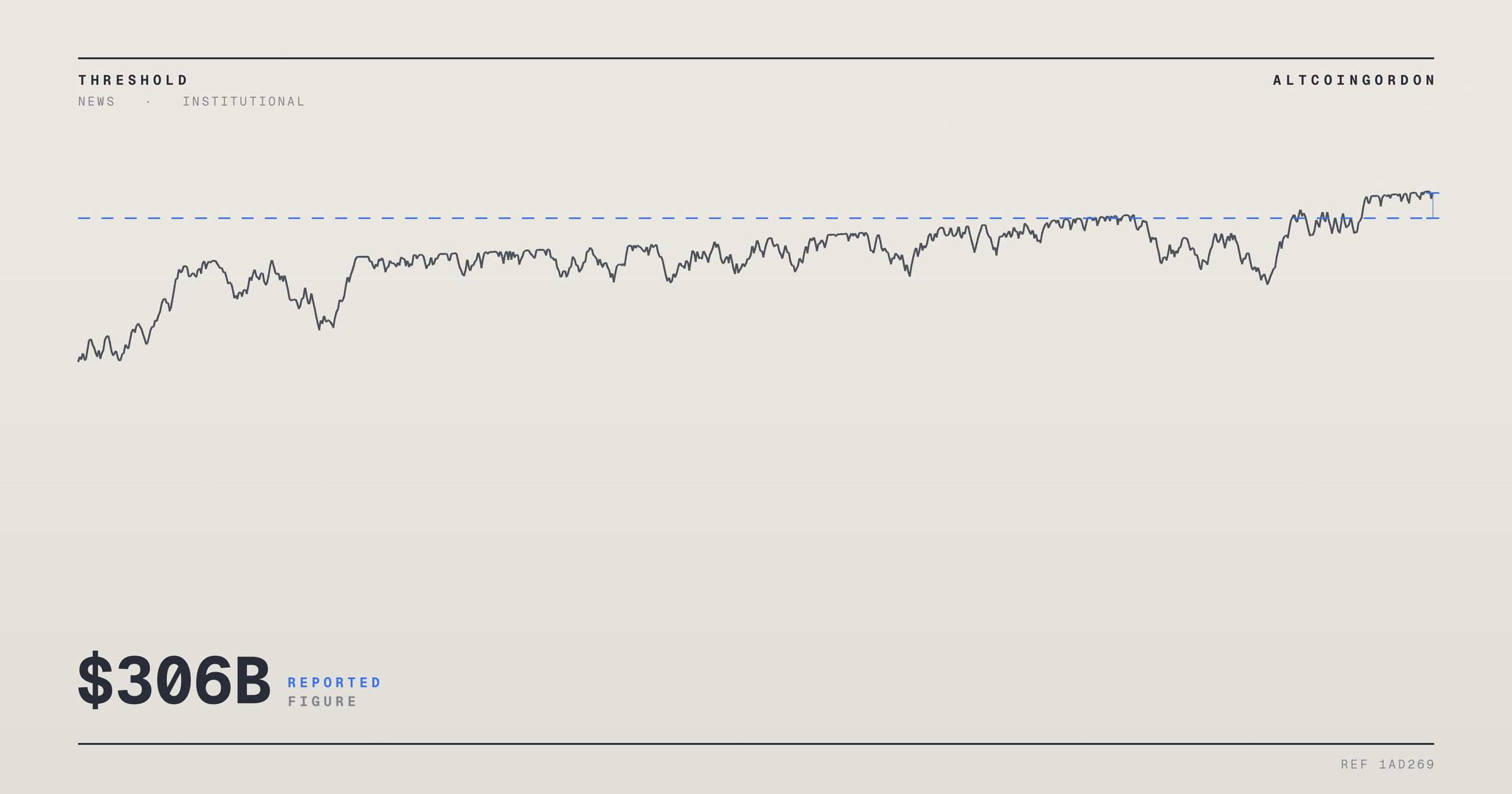
China’s central bank has reported a fresh increase in the value of its gold reserves, which climbed to approximately $306 billion in July. The rise extends an accumulation streak that has now lasted 20 consecutive months, according to the report, reflecting a sustained policy of adding to gold holdings rather than pausing or reversing course.
The specific figures behind this latest update describe a broader pattern that is consistent with a trend that has been closely watched by market participants for nearly two years. Central banks, and China’s in particular, have been steadily building gold positions as part of broader reserve management strategies.
The People’s Bank of China oversees the country’s official reserve assets, which include foreign currencies, government bonds, and precious metals. Gold has historically served as a hedge against currency volatility and geopolitical uncertainty, and many analysts view sustained central bank buying as a signal of institutional caution toward fiat-denominated assets, particularly the U.S. dollar.
This extended buying streak fits into a wider global narrative in which numerous central banks, especially in emerging markets, have increased gold purchases in recent years. Observers have linked this behavior to a desire to reduce reliance on any single reserve currency, especially following heightened geopolitical tensions and the use of financial sanctions as a policy tool in recent years.
For China specifically, gold accumulation has often been interpreted as part of a longer-term strategy to bolster the credibility and stability of its reserve base, potentially supporting efforts to internationalize its own currency over time. However, the pace and scale of these purchases have periodically been debated among economists, since official figures may not always capture all gold-related transactions conducted through other channels.
It is worth noting that the reported $306 billion figure represents the valuation of reserves in dollar terms, which can be influenced by both the quantity of gold held and fluctuations in the market price of gold itself. As such, month-to-month changes in the headline dollar figure do not necessarily equate directly to the tonnage of gold purchased.
Sources disagree on this story
This article was published before the reports below were compared. The reporting above stands; what follows is where the published accounts do not agree.
Two CryptoBriefing stories about China's July gold reserves agree on the broader accumulation trend but give different lengths for the PBoC's consecutive-month buying streak.
What all sources agree on
- China's central bank (PBoC) increased its gold reserves in July 2026, continuing a run of consecutive monthly purchases.
- The increase is described as part of a strategic focus on gold accumulation by China.
Where the reports disagree
1Length of the PBoC's consecutive monthly gold-buying streak as of July
This marks a continuation of China's strategy to accumulate gold, aligning with a 20-month streak of consecutive monthly purchases by the People's Bank of China (PBoC).
This marks the largest single-month increase since October 2023 and extends a 21-month streak of continuous gold accumulation.
What would settle it: The People's Bank of China's official monthly reserve disclosures showing consecutive months of gold additions.
What to make of it
Treat the fact of continued PBoC gold buying in July as established, but the precise number of consecutive months in the streak (20 vs. 21) is unresolved between these two reports until checked against PBoC's own monthly reserve data.
Market Impact
Continued central bank demand for gold, if sustained, is generally viewed by market participants as a supportive factor for gold prices over the medium term, given that official sector buying represents a steady source of demand distinct from retail or industrial consumption. For cryptocurrency markets, sustained gold accumulation by major economies is sometimes cited by proponents of digital assets as evidence of a broader shift away from traditional fiat reserves, occasionally drawing comparisons between gold and Bitcoin as alternative stores of value.
However, given that this report currently rests on a single source with limited cross-verification, market participants should treat the specific dollar figure with some caution until confirmed by additional data releases, such as those typically published by the World Gold Council or other central bank disclosures.
China's reported gold reserve increase adds another data point to a long-running accumulation trend, though further corroboration from additional sources would help confirm the precise scale of the latest figures.
Frequently Asked Questions
How long has China's gold-buying streak lasted?
According to the report, China's central bank has added to its gold reserves for 20 consecutive months, with the latest increase bringing the reported value to approximately $306 billion in July.
Which institution manages China's gold reserves?
China's official gold and foreign exchange reserves are managed by the People's Bank of China, the country's central bank.
Why do central banks accumulate gold?
Central banks often add gold to their reserves as a hedge against currency volatility, inflation, and geopolitical risk, and to diversify away from reliance on any single reserve currency, such as the U.S. dollar.
How reliable is this specific report on China's gold reserves?
The figures in this report come from a single source with limited independent cross-verification, so while they align with a broader multi-year trend of central bank gold buying, the exact dollar amount should be treated as preliminary until confirmed elsewhere.
Does this news have a direct connection to cryptocurrency markets?
Not directly, but sustained gold accumulation by central banks is sometimes referenced in discussions about alternative stores of value, including digital assets like Bitcoin, particularly in the context of reserve diversification.