

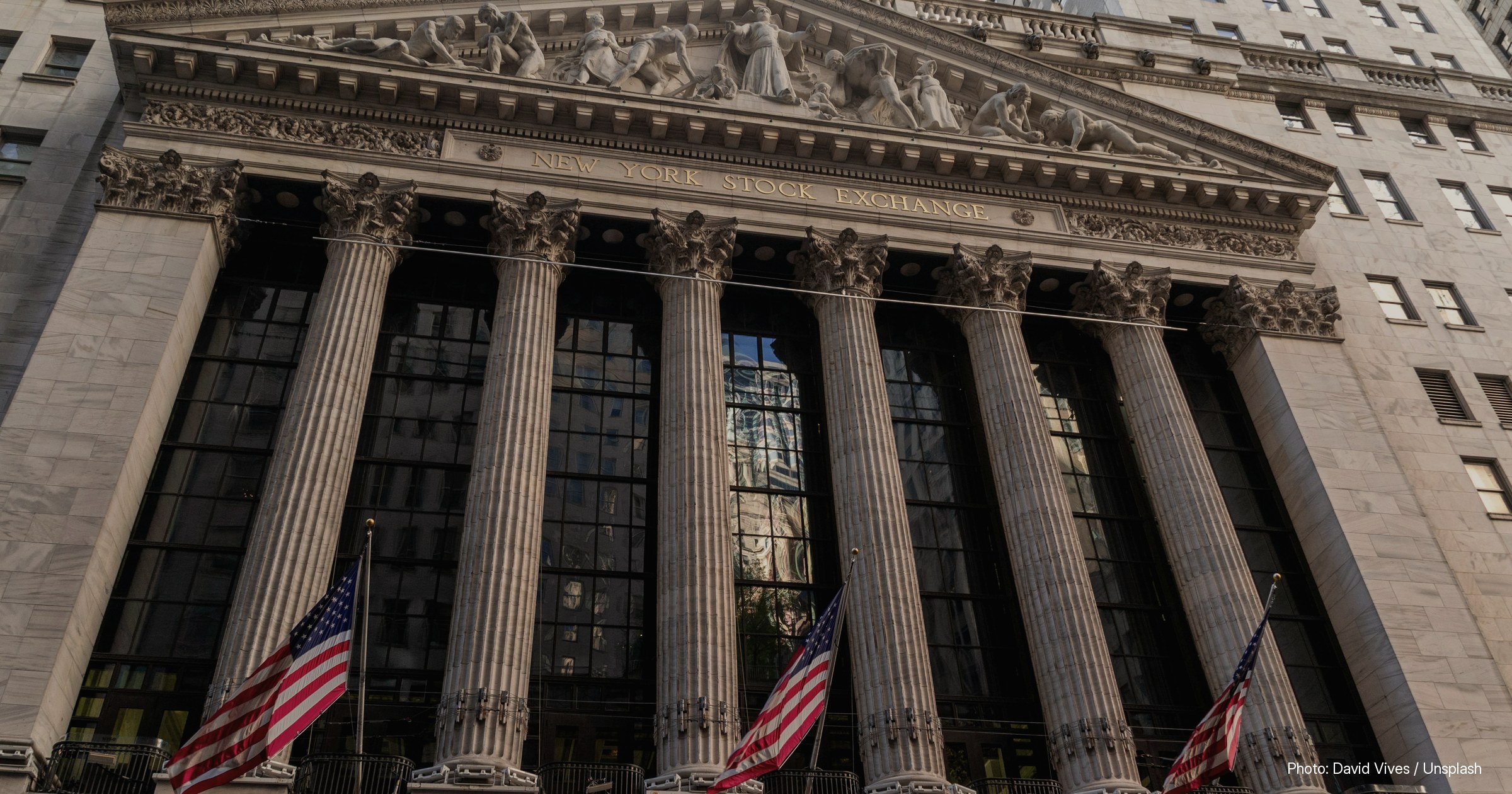
Reports emerging this week describe data leaks tied to cryptocurrency exchanges Coinbase and Bithumb, along with South Korean brokerages Daishin and Mirae Asset. The accounts vary in which companies they name, underscoring the need for affected users to verify details directly with each firm.
Coinbase, the largest US-based crypto exchange, has previously disclosed security incidents involving customer data. Bithumb, one of South Korea's largest crypto trading platforms, serves a large retail user base in a country with some of the highest crypto adoption rates globally. Daishin and Mirae Asset are established South Korean financial services firms with brokerage and asset management operations.
Data leaks at financial platforms typically involve exposure of personal identifying information. This can include names, contact details, account identifiers, and in some cases transaction history. Exposure of this kind does not necessarily mean funds were stolen directly from custody. It does, however, raise the risk of follow-on attacks such as phishing, account takeover attempts, or social engineering targeted at affected customers.
The crypto industry has faced repeated scrutiny over how exchanges handle customer data, separate from how they secure digital assets in custody. Centralized exchanges collect sensitive identity information to comply with know-your-customer and anti-money-laundering rules. That data becomes a target in its own right, independent of any breach involving wallets or private keys.
South Korea has been a focal point for crypto-related security incidents given the scale of retail trading activity in the country. Regulators there have pushed exchanges to strengthen data protection and reporting requirements in recent years. Incidents involving brokerages like Daishin and Mirae Asset would fall under broader financial-sector data protection rules rather than crypto-specific regulation, since both firms operate primarily in traditional finance.
Users of any platform named in connection with a data leak are generally advised to take precautionary steps. These include changing account passwords, enabling two-factor authentication, and monitoring for unusual login activity or unsolicited communications claiming to be from the platform. Firms typically notify affected customers directly once an internal investigation confirms the scope of an incident.
At this stage, the precise cause, scale, and timeline of the reported leaks have not been detailed consistently across available accounts. Official statements from Coinbase, Bithumb, Daishin, or Mirae Asset confirming or clarifying the nature of any breach had not been widely cited in the reporting reviewed.
Market Impact
Data leak reports involving major exchanges and brokerages can weigh on user trust even when no funds are directly affected. For Coinbase and Bithumb, both of which handle large volumes of retail trading, reputational concerns tend to surface faster than any measurable shift in trading volume or token prices.
For South Korean financial markets more broadly, incidents touching established firms like Daishin and Mirae Asset could draw regulatory attention to data handling practices across both traditional finance and crypto platforms operating in the country. Any tightening of compliance requirements would likely affect operational costs for exchanges rather than asset valuations directly.
Users of Coinbase, Bithumb, Daishin, or Mirae Asset should watch for official communications from these firms and apply standard account security precautions while further details emerge.
Frequently Asked Questions
Were funds stolen in these reported data leaks?
Available reports describe exposure of customer data rather than confirmed theft of funds from custody. Users should still monitor accounts closely as a precaution.
Which companies were affected?
Reporting names Coinbase, Bithumb, Daishin, and Mirae Asset, though one account focuses specifically on Coinbase and Bithumb. Users should check directly with each firm for confirmation.
What should affected users do right now?
Security experts generally recommend changing passwords, enabling two-factor authentication, and watching for phishing attempts referencing the affected platforms.
Does this affect crypto held in exchange wallets?
Data leaks typically involve personal account information rather than direct access to custodied crypto assets, but increased phishing risk can indirectly threaten holdings.