

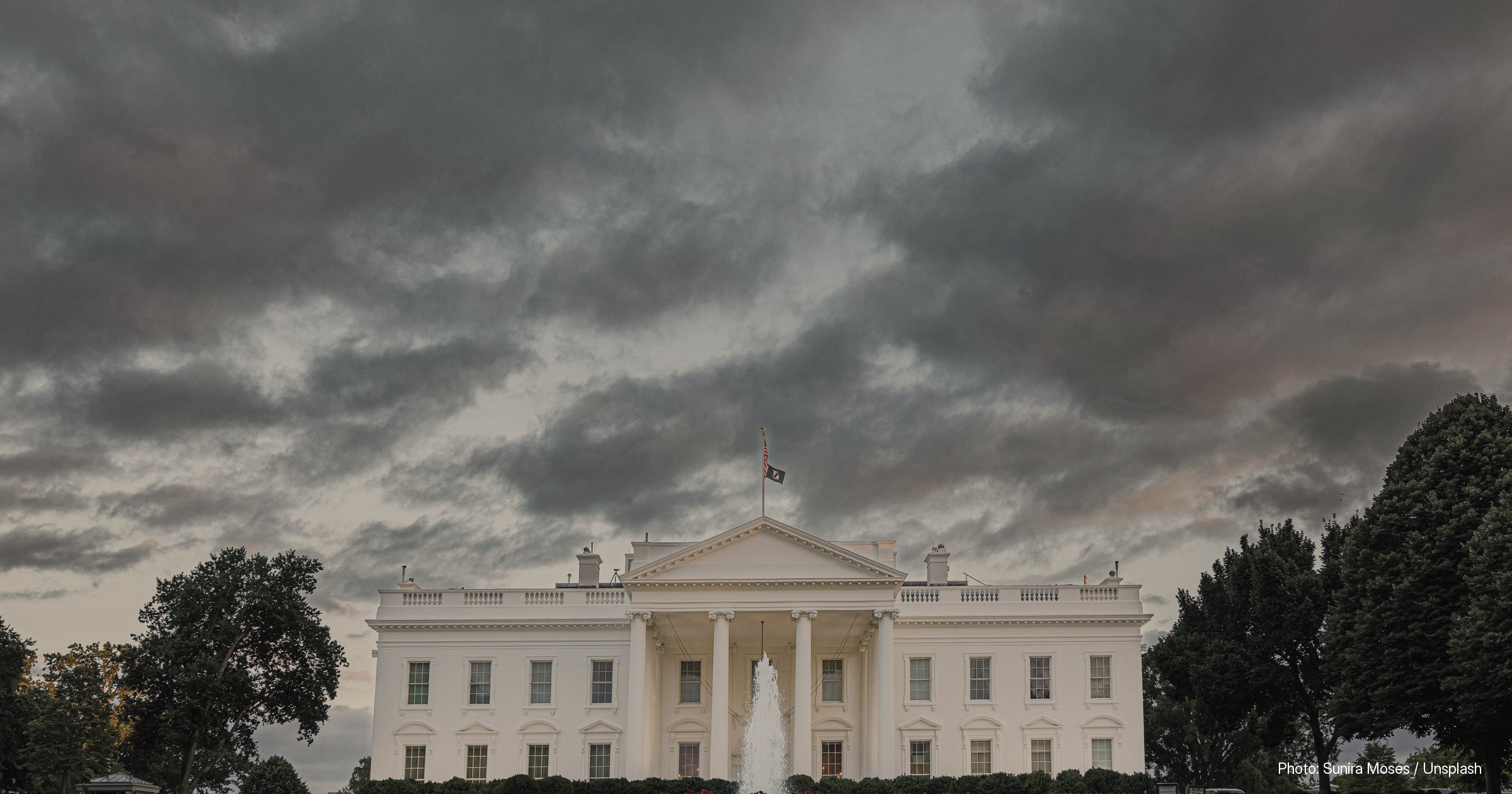
The White House has publicly blamed Senate Democrats for the failure of the Crypto Clarity Act, according to reports from CryptoBriefing and CoinGape. Senator Cynthia Lummis, a Wyoming Republican and longtime crypto advocate, echoed the criticism, saying Democrats derailed the bill's path through the chamber.
The Crypto Clarity Act, often shortened to the CLARITY Act, was designed to establish clearer rules over which federal agency oversees which digital assets. Supporters framed it as the missing piece needed to resolve years of jurisdictional overlap between the Securities and Exchange Commission and the Commodity Futures Trading Commission.
That overlap has long frustrated exchanges, token issuers, and investors. Without a defined framework, companies have operated under enforcement actions and shifting agency interpretations rather than fixed statutory guidance. Industry groups had pushed hard for the bill's passage this year.
The bill had already cleared procedural hurdles in the House earlier in the legislative session, building momentum that many expected to carry into the Senate. Its stall there marks a setback for an agenda the Trump administration has repeatedly described as a priority.
Neither report detailed the specific procedural vote or amendment dispute that led to the bill's failure. The characterization of blame came from the White House and Lummis, not from Senate Democrats, whose response was not captured in the available reporting. That leaves an open question about what specific objections Democratic lawmakers may have raised.
The political framing reflects a broader pattern this year, with the administration and Republican lawmakers casting crypto regulation as a bipartisan need being obstructed by partisan resistance. Democrats have previously voiced concerns in past crypto debates about consumer protections, anti-money-laundering provisions, and the scope of exemptions granted to digital asset firms under similar proposals.
The CLARITY Act had been viewed as a companion effort to stablecoin legislation passed earlier this year, together forming what officials described as a comprehensive digital asset regulatory package. Its failure in the Senate means that broader package remains incomplete for now.
Lummis has been one of the most visible pro-crypto voices in Congress, previously introducing legislation on digital asset taxation and Bitcoin reserves. Her public criticism signals continued Republican pressure to revive the bill in some form before the legislative session advances further.
Market Impact
The immediate market reaction to the bill's stall was not detailed in available reporting, but continued regulatory uncertainty tends to weigh on sentiment toward U.S.-based crypto firms and exchanges. Companies awaiting statutory clarity on token classification may face continued reliance on case-by-case enforcement actions rather than fixed rules.
For investors, the setback suggests market structure legislation may take longer to finalize than earlier timelines suggested. That could keep jurisdictional questions between the SEC and CFTC unresolved into the next legislative cycle, prolonging compliance uncertainty for token issuers and trading platforms operating in the United States.
The CLARITY Act's stall in the Senate underscores how partisan disagreement continues to shape U.S. crypto policy, even as both parties claim to support regulatory clarity. Whether the bill returns in a revised form will depend on negotiations that, according to current reporting, have yet to be resolved.
Frequently Asked Questions
What is the Crypto Clarity Act?
It is proposed legislation intended to define which federal agency, the SEC or the CFTC, has authority over different types of digital assets.
Who is blaming Democrats for the bill's failure?
The White House and Senator Cynthia Lummis have both publicly attributed the Senate setback to Democratic opposition, according to CryptoBriefing and CoinGape.
Did Senate Democrats respond to the criticism?
Available reporting did not include a detailed response from Senate Democrats explaining their objections to the bill.
How does this affect crypto companies in the near term?
Without the CLARITY Act, firms continue to operate under existing regulatory frameworks rather than a new statutory structure, extending prior uncertainty over agency jurisdiction.