

Fitch Ratings has changed Nigeria's credit outlook from stable to positive, according to BusinessDay NG and Nairametrics. The agency affirmed the country's long-term foreign-currency issuer default rating at 'B'. A positive outlook signals that a rating upgrade is more likely over the medium term, provided current trends hold.
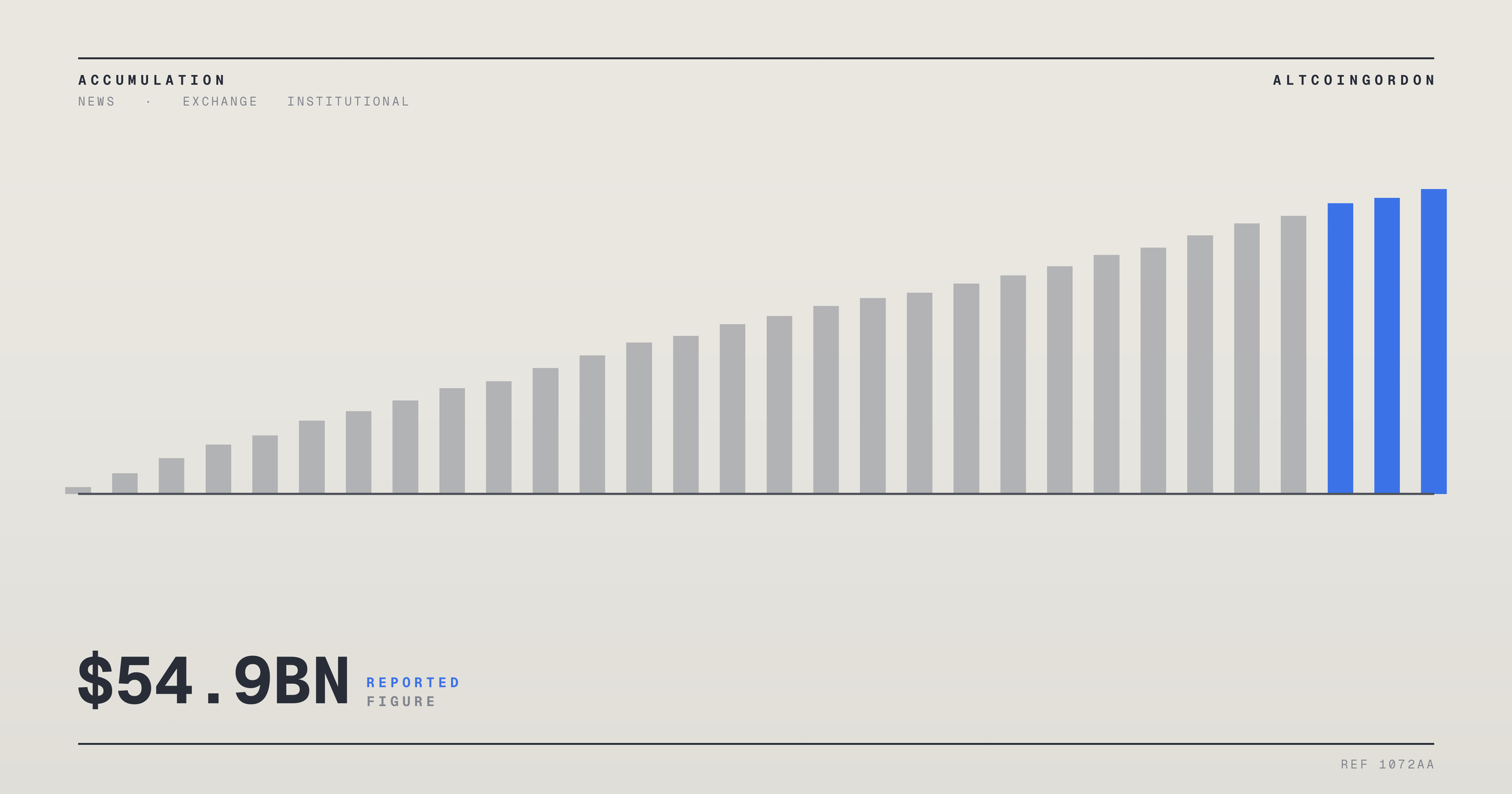
The revision comes as Nigeria's foreign exchange reserves rose to $54.9 billion. Reserves are a core metric rating agencies use to judge a country's ability to meet external obligations. Higher reserves give a government more room to defend its currency and service foreign-denominated debt without resorting to emergency measures.
Nigeria has spent recent years navigating currency volatility, inflation pressures, and questions over fiscal sustainability. The naira underwent significant adjustments as authorities moved to unify exchange rates and reduce distortions in the foreign exchange market. Those reforms were widely viewed as painful in the short term but aimed at restoring investor confidence.
A 'B' rating sits well into speculative-grade territory on Fitch's scale, reflecting elevated credit risk relative to investment-grade sovereigns. The positive outlook does not change that rating today. It does, however, indicate Fitch's assessment that Nigeria's credit profile is trending in a favorable direction rather than deteriorating.
Rating outlooks matter beyond headline optics. They influence borrowing costs for governments issuing international bonds and shape how institutional investors allocate capital to frontier and emerging markets. A positive trajectory can lower the risk premium investors demand, potentially easing future debt issuance costs for Abuja.
For a country whose economy has drawn global attention partly due to high rates of digital asset adoption among its population, macroeconomic stability carries added significance. Currency pressures in recent years pushed many Nigerians toward dollar-pegged stablecoins and informal foreign exchange channels as a hedge against naira depreciation. Improved reserve positions and a steadier currency outlook could, over time, affect those behavioral patterns, though Fitch's assessment centers strictly on sovereign credit fundamentals rather than retail financial behavior.
Market Impact
An improved sovereign outlook typically supports investor sentiment toward a country's government bonds and broader capital markets. If Nigeria's credit trajectory continues to strengthen, it could translate into more favorable terms for future international debt issuance and increased foreign portfolio inflows.
The development also feeds into wider conversations about emerging market resilience amid tighter global monetary conditions. For Nigeria specifically, sustained reserve growth and currency stability are factors market participants will watch closely when assessing exposure to naira-denominated and dollar-linked assets tied to the country.
Fitch's shift to a positive outlook marks a notable, if preliminary, signal of improving confidence in Nigeria's external finances. Whether it translates into an actual rating upgrade will depend on whether reserve gains and fiscal discipline hold over the coming review periods.
Frequently Asked Questions
What does a 'positive outlook' from Fitch mean for Nigeria?
It means Fitch sees conditions trending favorably enough that a future upgrade of Nigeria's credit rating is more likely, though the current 'B' rating itself has not changed.
Why did foreign exchange reserves factor into the decision?
Reserve levels indicate a country's capacity to meet foreign-currency debt obligations and defend its currency, making them a key input in sovereign credit assessments.
Does this outlook change immediately affect Nigeria's borrowing costs?
Not immediately, but improved outlooks can gradually lower the risk premium investors demand, potentially easing the cost of future international debt issuance.
Is Nigeria's credit rating now investment grade?
No. The 'B' rating remains speculative grade. The positive outlook reflects the direction of travel, not a change in the rating category itself.