

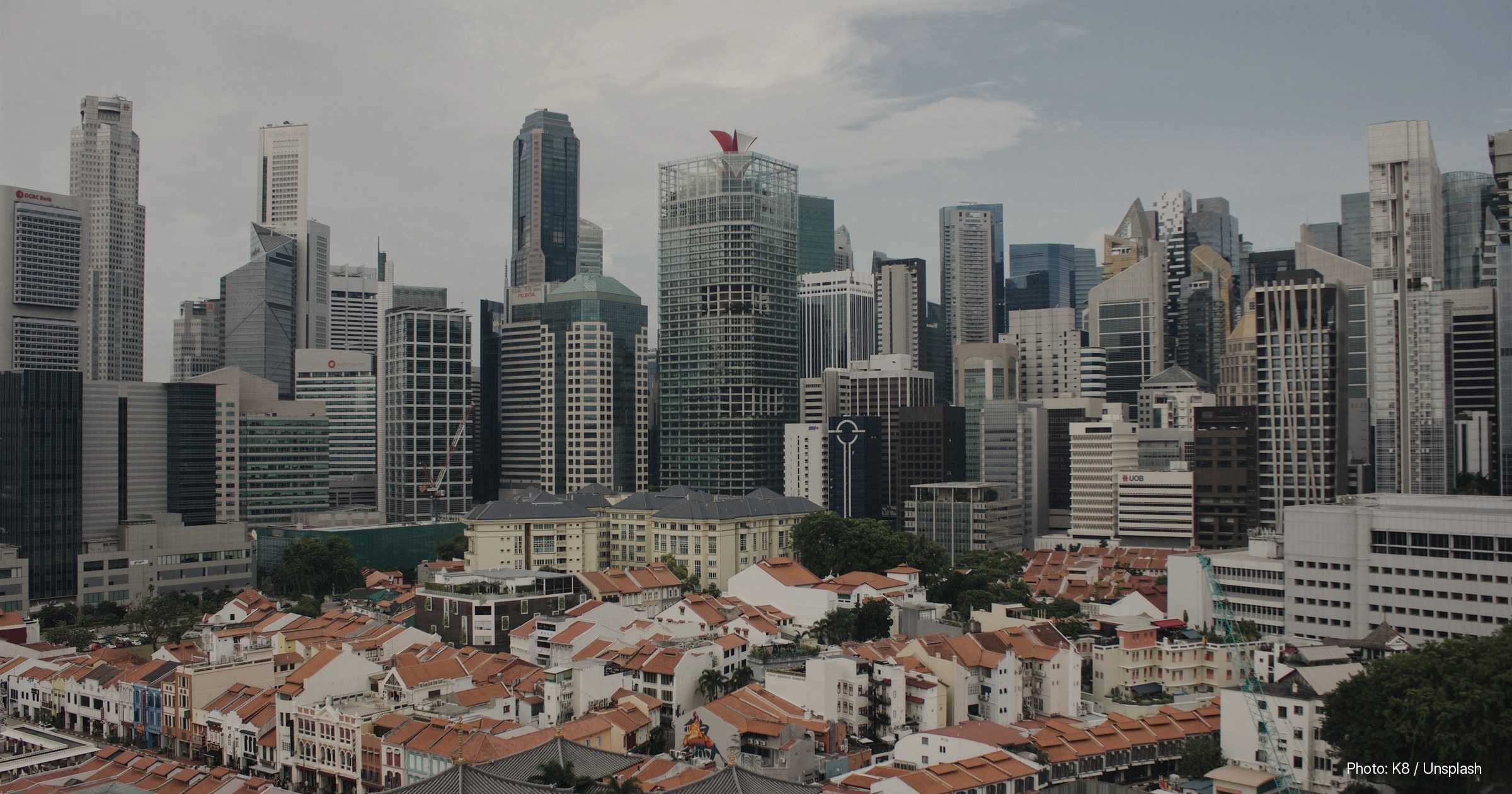
Singapore's crypto market has posted a notable rebound, with total activity reaching $284 billion. The figure reflects a broad increase in trading and transaction volume across the city-state's digital asset sector.
Institutional participation drove much of the growth. Reported data shows institutional crypto activity rose 94% over the measured period. That pace outstripped overall market growth, suggesting professional investors and firms are deepening their exposure to digital assets in Singapore more quickly than retail participants.
The rebound is being framed by observers as Singapore reclaiming a leading position in regional crypto activity. The city-state has long positioned itself as a hub for digital asset firms, drawing exchanges, custodians, and trading desks seeking a stable regulatory environment in Asia. Renewed activity growth suggests that positioning continues to attract capital and trading volume.
Singapore's regulatory approach has been a consistent reference point for the industry. The Monetary Authority of Singapore has pursued a framework that licenses digital payment token service providers while maintaining restrictions on retail marketing. That balance has been credited with keeping speculative retail trading in check while still allowing institutional infrastructure to grow.
The rise in institutional activity is significant because it signals a shift in who is driving crypto volumes in the market. Institutional investors typically bring larger trade sizes, longer holding periods, and more rigorous custody and compliance requirements than retail traders. Growth concentrated in this segment often reflects greater confidence in market structure and regulatory clarity, rather than short-term speculative trading.
Singapore competes with other Asian financial centers, including Hong Kong and Japan, for crypto business and talent. Each jurisdiction has taken a different regulatory path, ranging from more permissive licensing regimes to stricter oversight of exchanges and token issuance. The reported activity jump suggests Singapore may be gaining relative ground in that competition, though the full regional picture depends on comparable data from rival hubs.
The $284 billion figure represents total activity rather than a single metric like exchange volume or assets under custody, according to the reporting. That distinction matters for interpreting the scale of the number, since activity figures can combine trading, settlement, and transfer volumes across multiple market segments.
Market Impact
A 94% jump in institutional activity could encourage more exchanges, custodians, and asset managers to expand or establish operations in Singapore. Firms often follow institutional capital flows when deciding where to build infrastructure, so sustained growth in this segment may reinforce Singapore's standing as a preferred base for professional crypto services in Asia.
For the broader market, the data adds to evidence that institutional adoption of digital assets continues to grow in jurisdictions with clearer regulatory frameworks. If the trend holds, it could influence how other regional regulators calibrate licensing and oversight rules to compete for similar inflows.
Singapore's renewed activity growth, anchored by a sharp rise in institutional participation, underscores its continued relevance as a digital asset hub in Asia, even as regional competition for crypto business remains active.
Frequently Asked Questions
What does the $284 billion figure represent?
It refers to reported total crypto activity in Singapore, which can include trading, settlement, and transfer volumes rather than a single isolated metric.
Why is the 94% rise in institutional activity significant?
Institutional growth often signals deeper market confidence and more robust custody and compliance infrastructure, distinguishing it from retail-driven speculative trading.
How does Singapore's regulatory approach factor into this growth?
The Monetary Authority of Singapore has maintained licensing requirements for digital asset firms while limiting retail marketing, an approach credited with supporting institutional-grade market development.
Does this mean Singapore has overtaken other Asian crypto hubs?
The reported data suggests Singapore is regaining ground, but a full comparison requires similar activity figures from rivals like Hong Kong and Japan, which were not detailed in this report.