

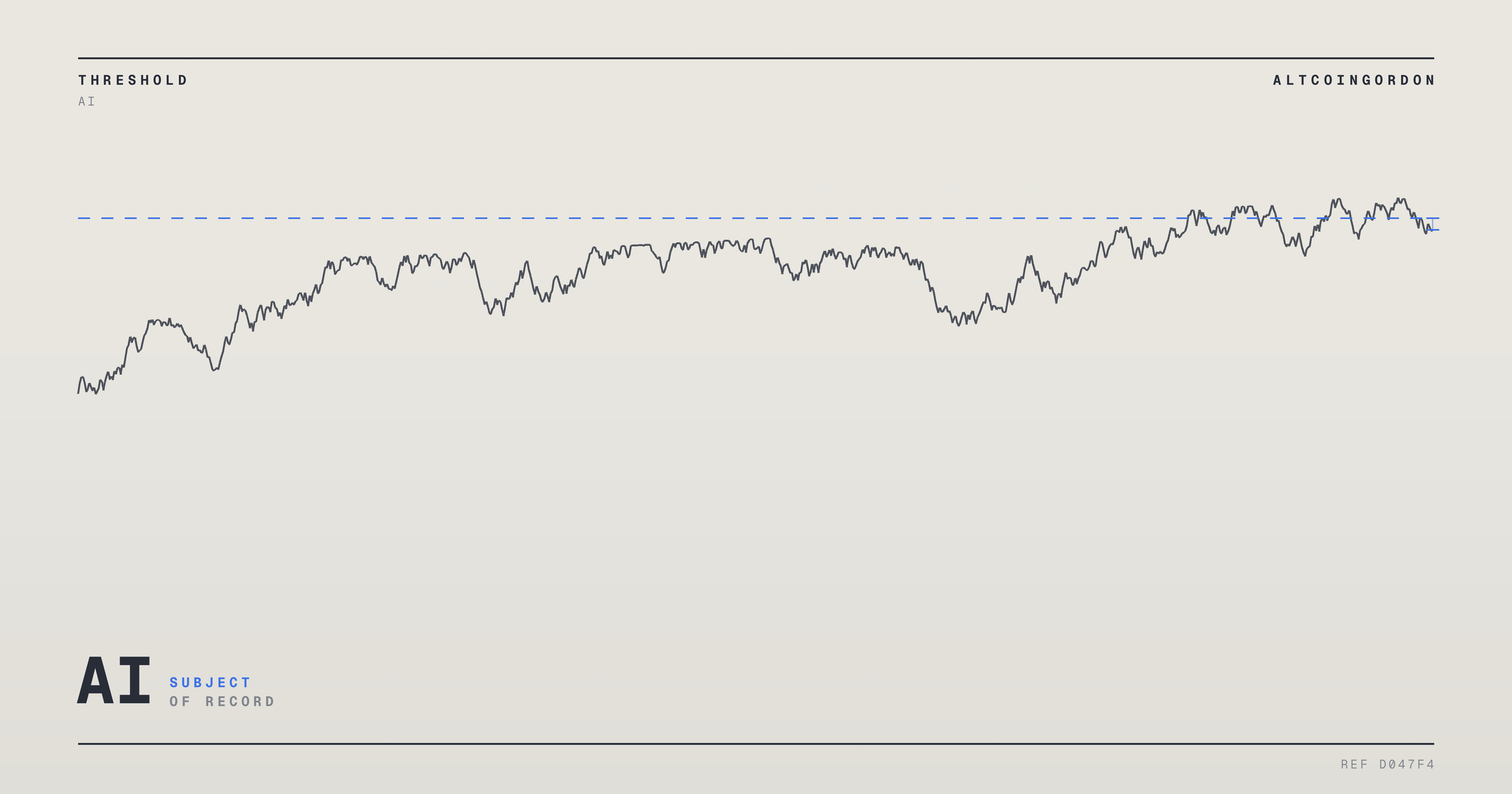
JPMorgan has laid out a case for the S&P 500 to reach 8,000, according to reporting from Invezz and Yahoo Finance. The forecast centers on a single, pivotal assumption: that the artificial intelligence trade currently driving much of the market will broaden or transform in a specific way.
Both outlets frame the bank’s outlook as conditional. The 8,000 level is not presented as a base case regardless of conditions. Instead, it depends on how AI-linked investment themes evolve over the coming stretch of the market cycle.
The S&P 500 has been heavily influenced by a small group of technology and AI-adjacent companies in recent years. Investors and strategists have debated whether this concentration is sustainable. JPMorgan’s call appears to engage directly with that debate, according to the reports.
A shift in the AI trade could mean several things. It might involve capital moving from the largest AI infrastructure names into a wider set of companies benefiting from AI adoption. It could also mean AI-related earnings growth becoming more evenly distributed across sectors, rather than concentrated in a handful of mega-cap firms.
Neither scenario would matter for index-level performance. The S&P 500 is a market-capitalization-weighted index. When gains are concentrated in a few large names, the index can rise even as many smaller constituents lag. A broadening of the AI trade could, in theory, support further index gains by pulling more companies into the rally.
Strategists across Wall Street have offered a range of views on how long AI-driven gains can persist and whether valuations tied to that theme are justified. JPMorgan’s specific reasoning for why a shift would happen, and its expected timeline, was not detailed in either source report.
The bank’s target adds to a broader set of forecasts from major financial institutions about where the S&P 500 could head next. These targets often diverge based on differing assumptions about interest rates, corporate earnings, and technology sector performance.
Readers should note that an index target tied to a single thematic assumption carries inherent uncertainty. If the anticipated shift in the AI trade does not materialize as described, the underlying rationale for the 8,000 call would need to be reassessed.
Market Impact
A prominent bank setting a specific S&P 500 target tends to draw attention from institutional and retail investors alike, particularly when the reasoning is tied to a dominant market narrative like artificial intelligence. If other strategists echo similar reasoning about a broadening AI trade, it could influence sector rotation discussions and portfolio positioning in the near term.
However, the market impact of any single bank’s target is typically limited unless it aligns with broader consensus or is followed by similar calls from peer institutions. Investors will likely watch upcoming earnings reports from AI-linked companies for signs of the sector-wide shift that JPMorgan’s call depends on.
JPMorgan’s 8,000 S&P 500 target underscores how central the AI trade has become to Wall Street’s market outlook. Whether the index reaches that level may depend less on broad economic conditions than on how artificial intelligence investment themes evolve in the months ahead.
Frequently Asked Questions
What is JPMorgan’s S&P 500 target?
According to reports from Invezz and Yahoo Finance, JPMorgan has set a target of 8,000 for the S&P 500 index.
What does the target depend on?
The forecast reportedly rests on an anticipated shift in the artificial intelligence trade, which has driven much of the market's recent performance.
Does this mean the S&P 500 is guaranteed to reach 8,000?
No. The target is conditional on a specific shift in AI-related market dynamics occurring, and outcomes could differ if that shift does not materialize as described.
Why does market concentration in AI stocks matter for index targets?
Because the S&P 500 is weighted by market capitalization, gains concentrated in a few large AI-related companies can lift the index even while many other stocks lag behind.