

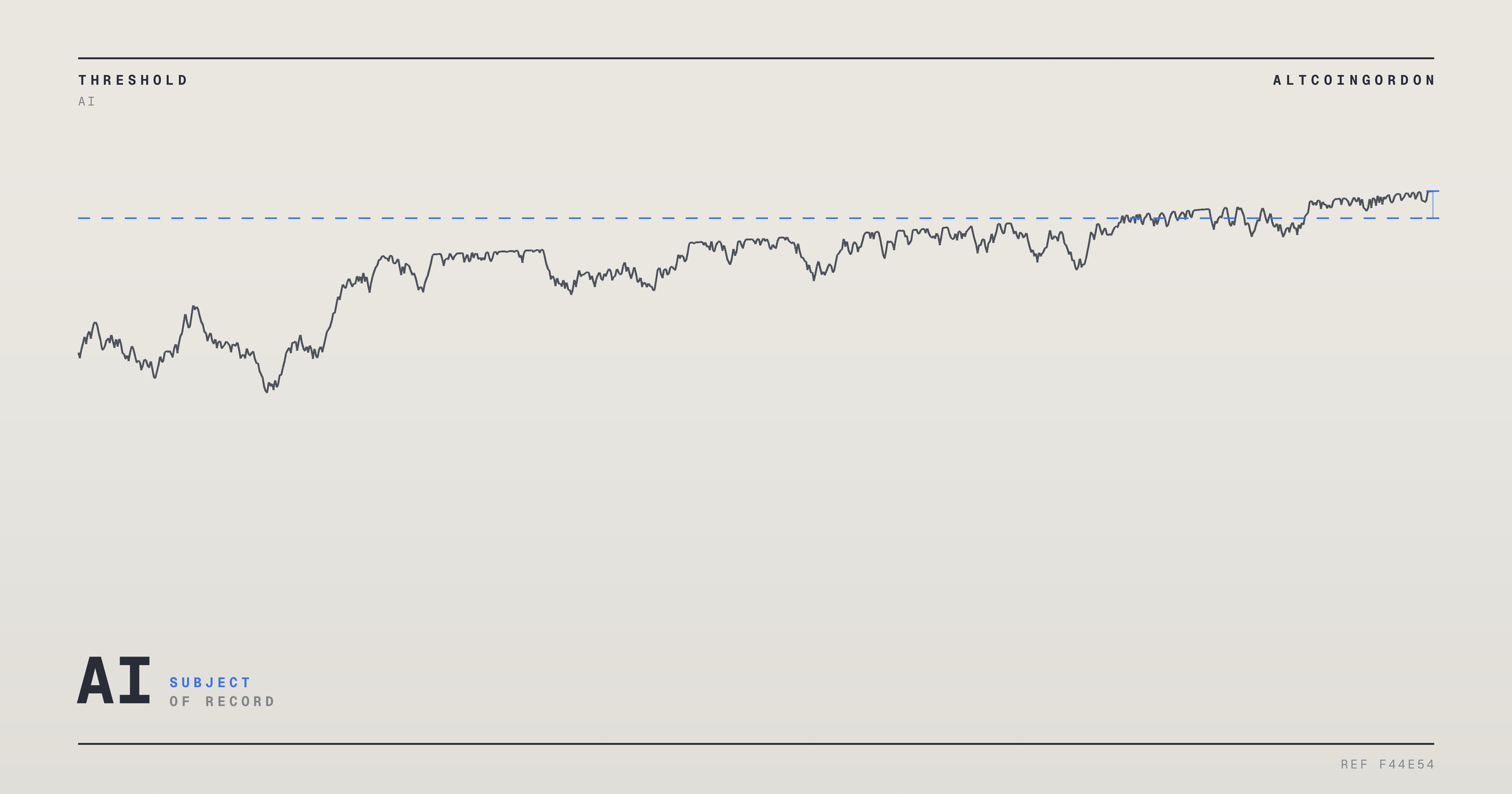
Nvidia's stock is hovering near its all-time record high, according to Invezz. The move keeps the chipmaker at the center of the broader artificial intelligence trade that has driven much of this year's equity market gains.
The rally reflects continued investor confidence in Nvidia's role as the primary supplier of processors used to train and run large AI models. Demand from cloud providers, AI startups, and enterprise customers has kept the company's revenue growth in focus for shareholders.
Separately, Yahoo Finance reported that Nvidia's network of circular financing arrangements has expanded further. These arrangements typically involve Nvidia investing in or supporting companies that, in turn, use that capital to purchase Nvidia's own chips. Critics of this structure argue it can make underlying demand appear stronger than it would be through arm's-length transactions alone.
Circular financing is not unique to Nvidia. Similar patterns have emerged elsewhere in the AI hardware and cloud infrastructure ecosystem, where large suppliers sometimes back customers financially. Analysts have raised the practice as a point worth monitoring, given how central Nvidia has become to AI infrastructure spending.
The timing of the two developments is notable. Nvidia's valuation near record levels means any questions about the durability of its revenue base draw added attention from investors and analysts. A stock trading near its historical peak leaves less room for disappointment if growth assumptions come under pressure.
Nvidia has not issued new guidance tied to these reports, based on the available information. The company's shares have generally moved in tandem with broader sentiment around AI infrastructure spending throughout the year. Investors have weighed strong reported demand for Nvidia's chips against periodic concerns about customer concentration and the sustainability of AI-related capital expenditure across the tech sector.
The circular financing question also intersects with a wider debate about how AI investment is being funded. Some of the largest AI infrastructure buildouts have relied on a mix of equity investment, vendor financing, and long-term supply agreements. When a chip supplier also provides capital to its buyers, it can blur the line between organic demand and financing-driven purchases. Reporting on this dynamic has increased as AI capital expenditure has scaled into the hundreds of billions of dollars industry-wide.
For now, Nvidia's stock performance suggests the market has not materially repriced the company based on these financing concerns. The shares remain close to record territory, reflecting continued optimism about AI hardware demand. Whether scrutiny of circular financing arrangements affects investor sentiment going forward remains an open question, dependent on how the company's future earnings and disclosures address the issue.
Market Impact
Nvidia's proximity to its record stock price keeps it central to broader market sentiment around AI-related equities. Because Nvidia carries significant weight in major indices, its share price movements can influence overall market direction, particularly among technology-heavy benchmarks.
Growing attention to circular financing arrangements could shape how analysts assess the durability of AI infrastructure demand. If investors begin discounting revenue tied to vendor-financed purchases, it could affect valuations not just for Nvidia but for other companies embedded in similar financing structures across the AI supply chain.
Nvidia's stock remains near record levels, underscoring continued investor appetite for AI infrastructure exposure, even as reporting on its expanding financing relationships adds a new layer of scrutiny to the sector's growth story.
Frequently Asked Questions
Why is Nvidia's stock near its record high?
According to Invezz, the stock is trading close to its all-time peak, consistent with sustained investor interest in AI-related hardware demand.
What is circular financing in Nvidia's case?
Yahoo Finance reported that Nvidia has an expanding web of arrangements in which it invests in or supports companies that then use funds to purchase Nvidia's chips.
Why does circular financing concern some analysts?
It can make demand for a company's products look stronger than it would through independent, arm's-length purchases, complicating assessments of organic growth.
Has Nvidia responded to reports about circular financing?
No new statement or guidance from Nvidia addressing these reports was included in the available reporting.