

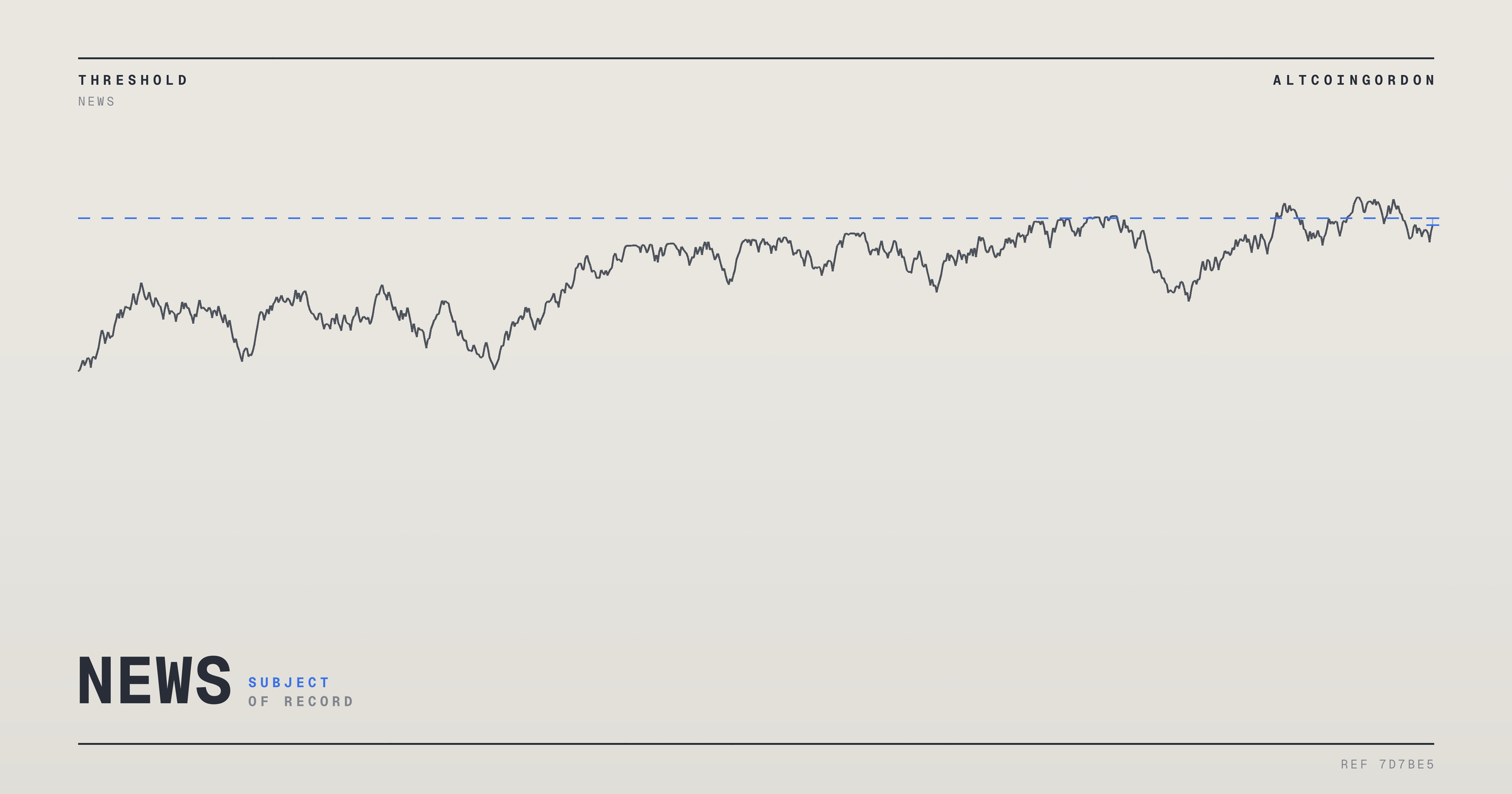
Crude oil prices rose sharply, touching their highest level since late July, after news of a fresh strike near the Strait of Hormuz rattled energy markets. Invezz reported the price move directly, tying it to renewed fears over supply disruptions in one of the world's most strategically important waterways.
A separate report from CryptoBriefing, citing the Wall Street Journal, described rising oil prices amid broader concerns about Middle East supply disruptions. Both accounts point to the same underlying driver: uncertainty over whether shipping and export flows through the Strait of Hormuz could be interrupted.
The Strait of Hormuz sits between Iran and Oman and serves as the primary route for a large share of the world's seaborne oil exports. Any threat to vessel traffic through the strait tends to trigger swift reactions in energy markets, given the limited alternative routes available to exporters in the region. Traders and analysts have long treated the strait as a key geopolitical risk point for oil supply.
The latest price jump suggests markets are pricing in the possibility of further escalation rather than treating the reported strike as an isolated event. Energy traders often respond to headline risk in the region well before confirmation of lasting supply impact, since even temporary disruptions can tighten global inventories. This pattern has repeated across past periods of tension in the Gulf, where price spikes preceded clearer information about the scale of any actual damage or blockage.
Rising oil prices carry implications well beyond energy markets. Higher crude costs feed into inflation expectations, which in turn can influence central bank policy decisions and broader investor risk appetite. Equity markets, currency markets, and commodity-linked assets often react to sudden oil price moves, particularly when the catalyst is geopolitical rather than driven by demand or inventory data.
For readers tracking digital assets, energy-driven volatility is worth watching as part of the wider macro backdrop. Crypto markets have at times shown sensitivity to broader risk-off moves triggered by geopolitical shocks, though the degree of correlation varies by episode. Neither Invezz nor CryptoBriefing's report on the Wall Street Journal account included details on how digital asset markets responded to this specific oil price move.
The reported strike near Hormuz adds to a string of recent developments that have kept Middle East supply risk on investors' radar throughout the year. Details on the scale, target, and confirmed impact of the incident remain limited in the available reporting. Markets will likely look for further confirmation from shipping data, tanker tracking services, and official statements from regional authorities before drawing firmer conclusions about lasting supply effects.
Market Impact
A sustained rise in oil prices tends to ripple through inflation-sensitive assets, transportation costs, and corporate earnings tied to fuel expenses. If the Hormuz-linked disruption proves temporary, the price reaction could unwind quickly once shipping risk clears. A prolonged or escalating disruption, however, could keep energy costs elevated and add pressure to central banks already balancing inflation and growth concerns.
Broader financial markets, including equities and commodity-linked currencies, often move in tandem with sharp oil price swings driven by geopolitical events. Crypto markets have occasionally tracked risk-off sentiment during past Middle East tensions, though the available reporting does not specify any direct digital asset market reaction to this particular event.
Markets are watching closely for further details on the reported Hormuz strike and its actual impact on shipping and supply. Until confirmation emerges, oil prices are likely to remain sensitive to any additional headlines from the region.
Frequently Asked Questions
Why did oil prices rise to a late-July high?
Reports of a fresh strike near the Strait of Hormuz raised concerns about potential disruptions to Middle East oil supply, pushing crude prices higher, according to Invezz and a Wall Street Journal report cited by CryptoBriefing.
Why does the Strait of Hormuz matter for oil markets?
The strait is a major route for global seaborne oil exports, and any threat to shipping through it tends to trigger significant price reactions due to limited alternative export routes.
Did the reports confirm lasting damage to oil supply?
The available reporting from Invezz and CryptoBriefing's account of the Wall Street Journal did not specify confirmed lasting supply impact, only that the incident raised disruption concerns.
Could this oil price move affect crypto markets?
Geopolitical shocks that raise energy prices can influence broader risk sentiment across financial markets, though no specific crypto market reaction was detailed in the source reports.