

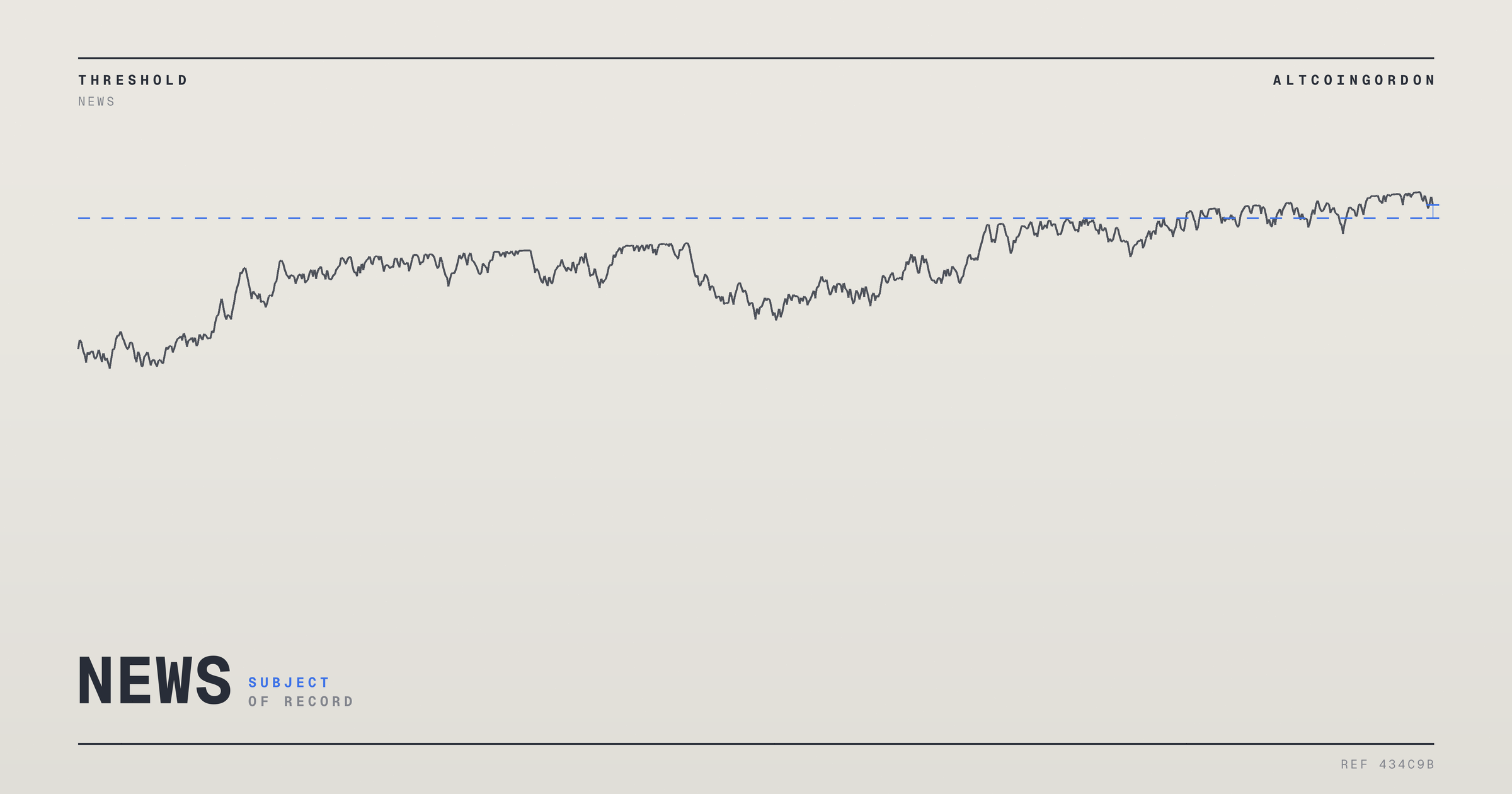
Crude oil futures ticked upward after news emerged that Iran has reportedly drafted a plan aimed at restricting maritime traffic through the Strait of Hormuz, a narrow waterway that serves as the primary shipping lane for a substantial share of the world's seaborne oil and liquefied natural gas exports. The report has not yet been independently confirmed by multiple outlets, and the overall confidence level attached to the claim remains moderate, but the mere possibility of disruption at this chokepoint is enough to move energy markets given its outsized strategic importance.
The Strait of Hormuz sits between Iran and Oman, connecting the Persian Gulf to the Gulf of Oman and, ultimately, to global oil markets. A significant portion of daily global crude and condensate exports pass through this route, making it one of the most closely watched geopolitical flashpoints in the energy sector. Any credible threat to traffic through the strait tends to inject a risk premium into oil prices, even before any physical disruption occurs, because markets price in the probability of supply interruptions well ahead of actual events.
Historically, tensions involving Iran and the Strait of Hormuz have periodically resurfaced amid broader regional disputes, sanctions pressure, or military posturing. Traders and analysts tend to treat such reports with a mixture of caution and vigilance: caution because draft plans or stated intentions do not always translate into enforced action, and vigilance because even a partial slowdown in tanker traffic could meaningfully affect global oil supply chains and pricing.
As of this report, the claim regarding Iran's draft plan has been verified by only one independent source, and cross-source agreement is currently low. This means the story should be treated as an emerging development rather than a confirmed policy shift. Market reactions in situations like this often reflect anticipatory positioning rather than certainty, with participants hedging against downside risk while awaiting further confirmation or denial from official channels.
Energy markets are particularly sensitive to headline risk of this nature because the Strait of Hormuz has no readily available alternative route for the volume of oil that transits it daily. Disruption scenarios, even hypothetical ones, tend to widen bid-ask spreads and increase implied volatility in oil futures and options markets. This dynamic explains why oil prices reacted promptly to the report despite the limited corroboration.
Broader macro watchers, including those in digital asset markets, are also monitoring the situation, since sudden spikes in energy prices and geopolitical uncertainty have historically influenced risk sentiment across asset classes, including cryptocurrencies. A sustained escalation in Gulf tensions could feed into inflation expectations and broader risk-off behavior, which in turn has implications for how investors approach both traditional and digital assets.
Market Impact
In the near term, the report has contributed to upward pressure on oil prices as traders price in geopolitical risk associated with a potential chokepoint disruption. Energy-sensitive sectors and inflation-linked assets may see increased volatility as markets await further clarity or official confirmation from Iranian authorities or other regional stakeholders. Because the claim currently rests on limited corroboration, price movements could prove short-lived if the report is not substantiated by additional sources or official statements.
For crypto markets, heightened geopolitical uncertainty and energy price volatility have at times correlated with broader risk-asset sentiment shifts, though the relationship is not consistent or predictable. Investors monitoring macro conditions may watch for spillover effects into risk appetite, particularly if oil price gains persist or if the situation escalates beyond a reported draft plan into more concrete action.
With cross-source verification still limited, the market's reaction underscores how sensitive energy prices remain to even unconfirmed geopolitical developments involving the Strait of Hormuz, and further clarity will be needed before the full implications of this report can be assessed.
Frequently Asked Questions
What is the Strait of Hormuz and why does it matter for oil prices?
The Strait of Hormuz is a narrow waterway between Iran and Oman that serves as the main shipping route connecting Persian Gulf oil producers to global markets. A large share of the world's seaborne crude oil and LNG exports pass through it, so any threat to its accessibility tends to raise concerns about global energy supply and push prices higher.
Has Iran's alleged draft plan been officially confirmed?
As of this report, the claim has been corroborated by only one independent source, with low cross-source agreement, meaning it should be treated as an unconfirmed and developing situation rather than an established fact.
Why would this news affect cryptocurrency markets?
Geopolitical tensions and energy price shocks can influence broader investor risk sentiment, which sometimes extends to digital assets. While the relationship between oil price moves and crypto markets is not fixed or guaranteed, heightened uncertainty can contribute to volatility across multiple asset classes.
What would happen if Iran actually restricted traffic through the Strait of Hormuz?
Given the strait's role as a primary route for global oil and gas exports, any actual restriction could disrupt supply chains and put significant upward pressure on energy prices. However, this scenario remains speculative based on the currently reported draft plan, which has not been independently confirmed by multiple sources.