

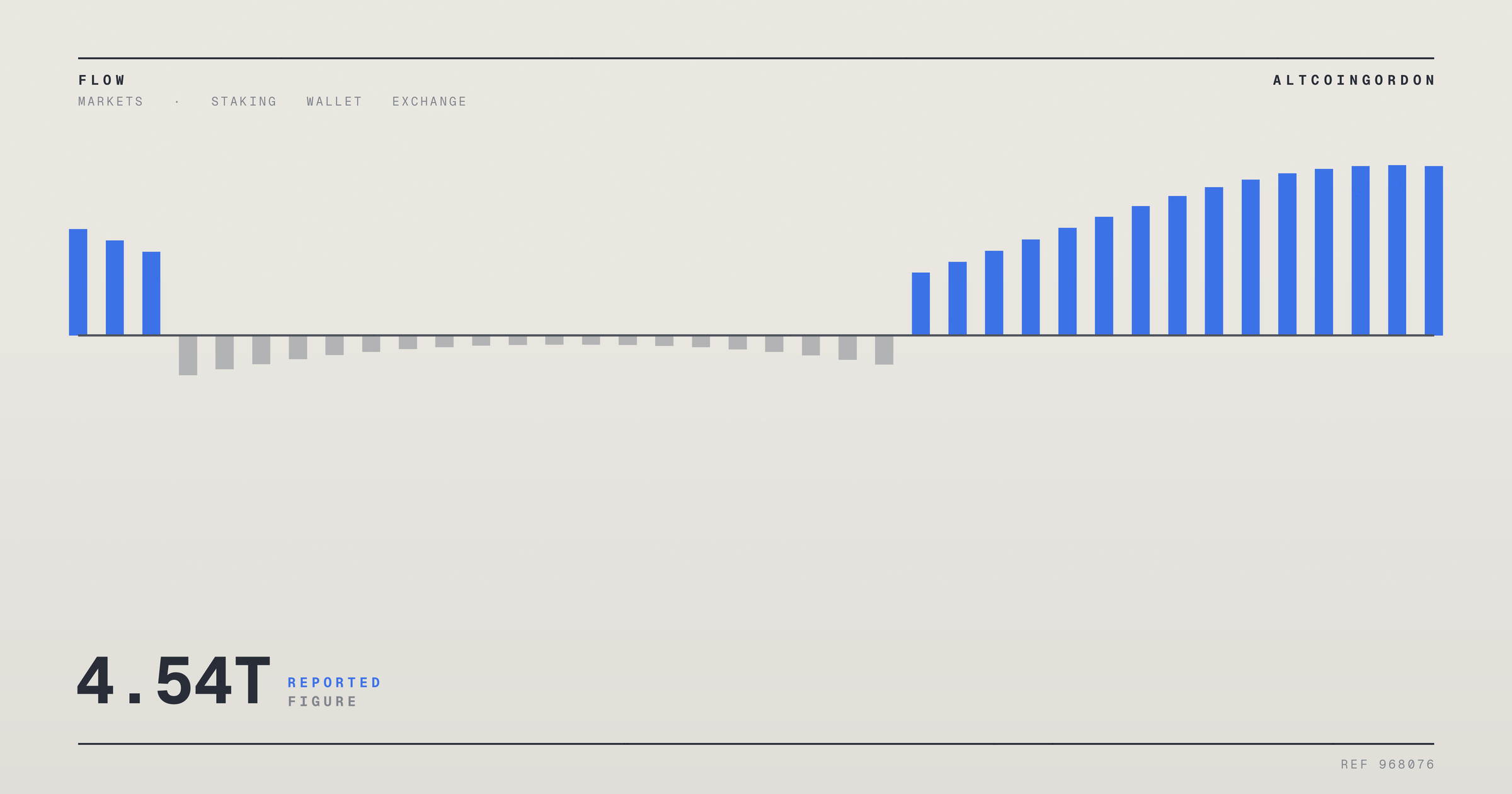
PEPE, one of the more prominent meme coins by market capitalization, is reportedly experiencing a significant token outflow from centralized exchanges, with figures cited at roughly 4.54 trillion tokens. In crypto markets, large outflows from exchanges are often interpreted through the lens of investor behavior: tokens moved to private or cold wallets are generally unavailable for immediate sale, which can reduce available sell-side liquidity on trading venues.
The phrase "bear trap" refers to a market scenario in which prices fall sharply, inducing panic selling or short positioning, before reversing upward and catching bearish traders off guard. Speculation around a bear trap for PEPE stems from the idea that if large holders or long-term participants are withdrawing tokens rather than selling them into exchanges, it could suggest confidence in a future price recovery rather than an intent to liquidate.
However, exchange outflow data alone does not confirm directional price outcomes. Tokens can be moved for a variety of reasons, including transfers to staking or yield platforms, storage for security purposes, over-the-counter trades, or simple wallet reorganization by large holders. Without additional context — such as concurrent price action, trading volume shifts, or corroborating on-chain analytics from multiple data providers — it is difficult to draw firm conclusions about market intent from outflow figures in isolation.
Meme coin markets like PEPE are known for volatility and can be particularly sensitive to social media sentiment, influencer commentary, and speculative trading activity, which can sometimes amplify narratives before they are fully substantiated by broader data sets.
PEPE has, since its launch, become one of the most actively traded meme tokens, drawing attention from retail traders drawn to its community-driven identity and historical price swings. As with many assets in this category, price movements tend to be driven more by sentiment and momentum than by traditional valuation metrics, making outflow and inflow data a commonly referenced but imperfect proxy for gauging market direction.
Given the preliminary nature of this report, readers should treat the 4.54 trillion token outflow figure and the associated bear trap theory as an observation worth monitoring rather than a confirmed market trend. Additional data points, including sustained price behavior and further exchange flow reports from independent trackers, would be needed to validate whether this outflow reflects meaningful accumulation or a routine reallocation of tokens.
Market Impact
If the reported outflow reflects genuine accumulation by holders removing PEPE from exchanges, it could theoretically reduce circulating sell-side supply on trading platforms, a dynamic that some traders associate with reduced downward price pressure. Conversely, if the outflows are unrelated to long-term holding intentions, the market impact could be negligible, and price action may continue to be driven primarily by broader crypto market sentiment and meme coin-specific speculation.
Given the limited corroboration of this specific figure across independent sources, market participants should be cautious about assigning strong predictive weight to this data point alone. Broader indicators such as trading volume, derivatives positioning, and price trend confirmation would typically be needed before drawing firmer conclusions about PEPE's near-term trajectory.
As with many meme coin narratives, the reported PEPE outflow highlights how on-chain data can spark speculation, but confirmation from additional independent sources and further market behavior will be necessary before any bear trap scenario can be considered more than a hypothesis.
Frequently Asked Questions
What does a large token outflow from exchanges typically indicate?
It often suggests that holders are moving tokens to private wallets rather than keeping them available for immediate sale, which some interpret as a sign of reduced selling pressure, though it does not guarantee any specific price outcome.
What is a 'bear trap' in crypto trading terminology?
A bear trap describes a situation where prices decline sharply, prompting bearish bets or panic selling, before reversing upward and disadvantaging traders who positioned for further declines.
How reliable is this report on PEPE's 4.54 trillion token outflow?
The figure currently comes from a single source with limited cross-source verification, so it should be treated as an early observation rather than a confirmed market trend until corroborated by additional independent data.
Does this outflow data predict PEPE's future price direction?
Not definitively. Exchange outflows can result from various causes beyond long-term holding, and price direction typically depends on multiple factors including trading volume, market sentiment, and broader crypto conditions.