

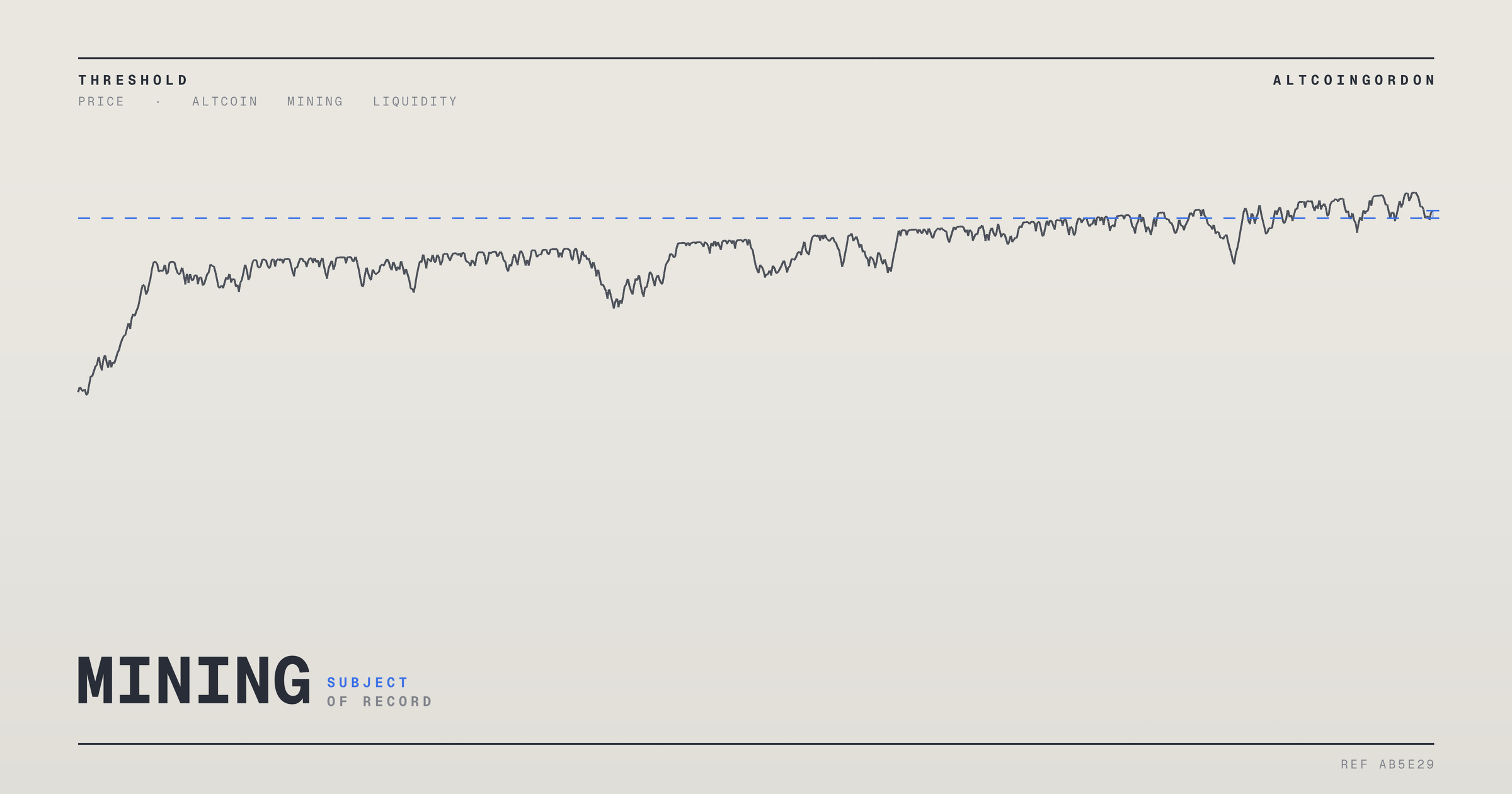
Pi Network, the mobile-mining project that has built one of the largest self-reported user bases in crypto, is drawing renewed attention after a report indicated its token is testing a classic triangle breakout formation on price charts. Alongside the technical setup, the same report links a partnership with RoboPay, a payments-focused platform, as a contributing factor to increased adoption narratives surrounding the token.
Triangle patterns are a well-known feature of technical analysis, typically formed when an asset's price consolidates within converging trendlines before either breaking upward or downward. Traders often watch these formations for clues about potential shifts in momentum, though a breakout in either direction is not guaranteed and can reverse quickly, particularly in markets as volatile as cryptocurrency.
The reported RoboPay partnership is being framed as part of Pi Network's broader push to move beyond its mining-app origins and toward practical payment applications. Pi Network has long positioned itself as a project aiming to make cryptocurrency accessible to a mass, non-technical user base through a mobile app that allows users to accumulate tokens without the energy costs associated with traditional proof-of-work mining. Expanding into partnerships that enable spending or transacting with Pi tokens would represent a logical next step in that strategy, assuming the reported collaboration is confirmed and scaled.
Details such as the specific terms of the RoboPay partnership, the scale of adoption it has driven, or the exact technical levels defining the triangle pattern have not been independently corroborated at this time. Readers should treat the adoption and price-pattern claims as preliminary until further reporting confirms the specifics.
Pi Network has historically been a polarizing project within the crypto industry. Supporters point to its enormous claimed user base and its low-barrier mining model as evidence of significant grassroots adoption. Critics have raised questions about token liquidity, the project's mainnet rollout timeline, and the extent to which its user numbers translate into active, tradeable value. Any partnership news, therefore, tends to generate outsized attention as the community looks for signs that the project is transitioning from a mobile app phenomenon into a functioning payments ecosystem.
As with many emerging altcoin narratives, the interplay between a technical chart pattern and a fundamental catalyst like a payments partnership is being closely watched by traders looking for confirmation in either direction. Whether the reported triangle resolves upward, downward, or continues to consolidate will likely depend on broader market conditions as well as any further confirmation of the RoboPay relationship's actual scope.
Market Impact
If confirmed and expanded upon, a partnership that enables real-world spending of Pi tokens could support the project's long-standing argument that its large mobile user base can translate into functional adoption rather than remaining a speculative or dormant holding. This would be relevant to observers assessing whether Pi Network can differentiate itself from other large-cap altcoins that have struggled to convert user counts into transactional activity.
At the same time, the technical triangle pattern cited in the report should be viewed cautiously, as breakout patterns can fail or reverse, and their significance is amplified or diminished by trading volume and broader market sentiment. Given the limited corroboration of both the partnership details and the chart analysis, market participants may want to wait for additional confirmation from Pi Network or RoboPay before drawing firm conclusions about the token's near-term trajectory.
The reported RoboPay partnership and accompanying chart pattern add to the ongoing narrative around Pi Network's push toward practical adoption, but with only a single source currently confirming the details, further verification will be needed before the story's full implications can be assessed.
Frequently Asked Questions
What is a triangle breakout pattern in trading?
A triangle breakout occurs when an asset's price consolidates within converging trendlines and then moves decisively above or below that range, which traders often interpret as a signal of a potential shift in momentum, though outcomes are not guaranteed.
What is RoboPay's reported role in this story?
According to the report, RoboPay has entered a partnership with Pi Network aimed at supporting payment-related use cases, which is being cited as a factor behind increased adoption discussion, though specific terms have not been independently confirmed.
How reliable is this information at this stage?
The story is currently based on a single published source with limited cross-source corroboration, so key details about the partnership's scope and the technical chart analysis should be treated as preliminary pending further confirmation.
Why does Pi Network's adoption strategy matter?
Pi Network has built a large mobile-based user community through its mining app, and partnerships enabling real-world payments would be significant in testing whether that user base can translate into practical, transactional use of the token.