

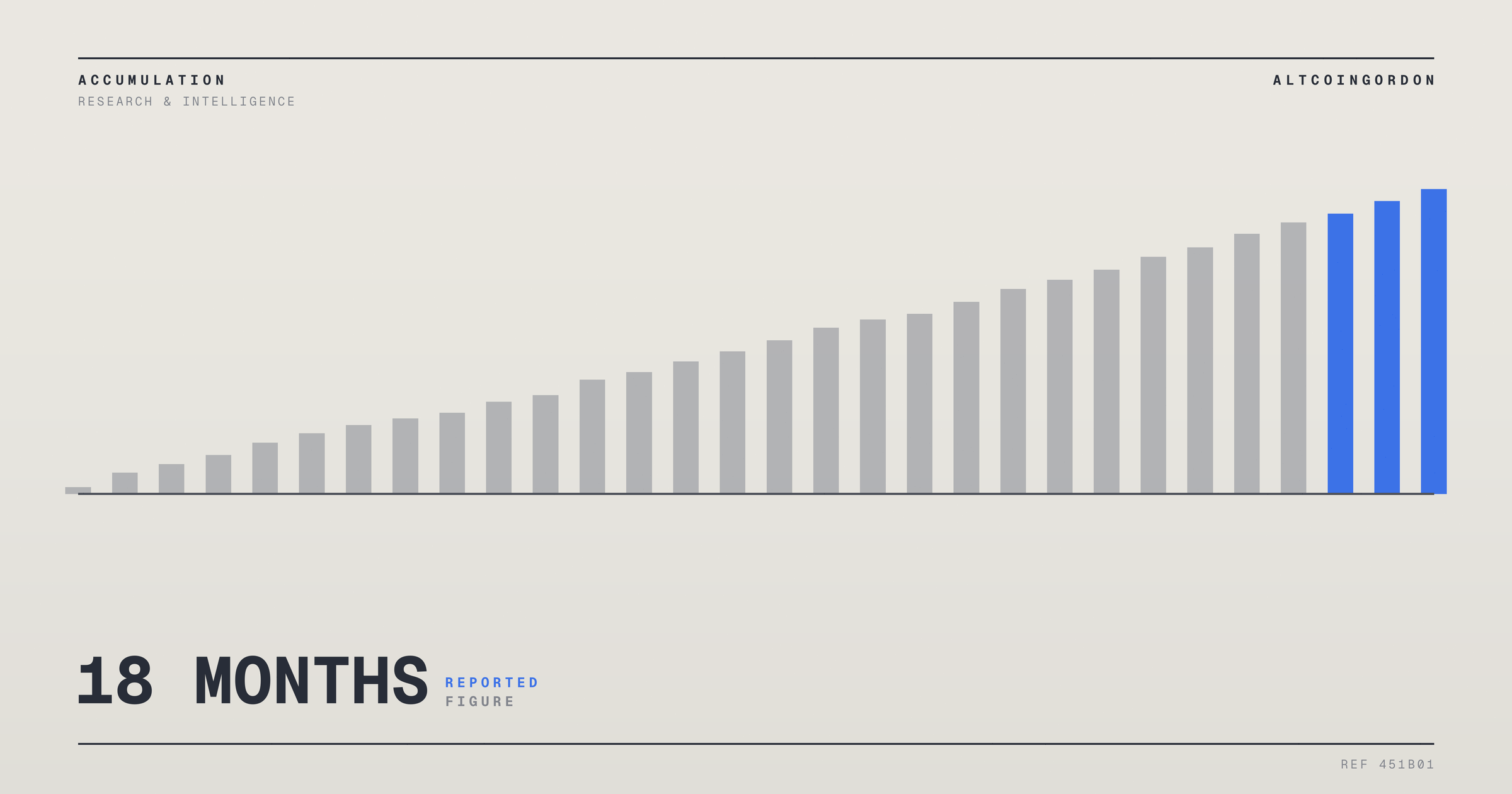
Langflow, an open-source platform used to build and visually design AI-driven workflows, has been flagged for a recurring pattern of severe security flaws. According to a report from Forkast, the project has logged seven critical CVEs, or Common Vulnerabilities and Exposures, over an 18-month span.
CVEs are standardized identifiers used across the software industry to track publicly disclosed security flaws. A "critical" rating typically means a flaw could allow an attacker to execute code, bypass authentication, or gain unauthorized access with limited effort. Seven such findings in a year and a half is a notable frequency for any actively used open-source project.
The Forkast report frames the issue as architectural rather than incidental. Instead of treating each vulnerability as an isolated coding mistake, the reporting suggests the flaws trace back to how Langflow is structured. That distinction matters because architectural weaknesses tend to resurface in new forms even after individual patches are issued.
Langflow sits within a growing category of tools that let developers assemble AI agents and automated pipelines with minimal custom code. These low-code and no-code platforms have gained traction as companies rush to integrate large language models into products, including tools used in trading, research, and customer-facing crypto applications. Their appeal is speed of development. Their risk is that a single flawed component can be reused across many downstream deployments.
When a widely adopted framework carries repeated critical vulnerabilities, the exposure extends beyond the project itself. Any application, bot, or automated workflow built on top of Langflow could inherit the same weaknesses. In sectors like crypto, where automated agents increasingly interact with wallets, exchanges, or smart contracts, that inherited risk carries added weight.
The report does not detail the specific technical mechanisms behind each of the seven CVEs, nor does it specify which versions of Langflow were affected or whether all flaws have been patched. Those details would typically emerge from the underlying CVE database entries and any official advisories issued by the project's maintainers.
Security researchers generally recommend that organizations using tools with a history of critical CVEs review their update practices closely. Keeping dependencies current, monitoring vendor advisories, and auditing how third-party frameworks are integrated into production systems are standard mitigations. For AI workflow platforms specifically, the stakes can be higher, since these systems often have access to sensitive data, external APIs, or automated decision-making pipelines.
The broader significance of the Forkast report lies less in any single vulnerability and more in the pattern it describes. Repeated critical findings in a widely used AI infrastructure tool underscore a persistent tension in the industry: the pace of AI tool adoption is outstripping the pace of security hardening. As more crypto and fintech projects build on low-code AI frameworks, incidents like this are likely to draw closer scrutiny from both developers and security auditors.
Market Impact
For now, the direct market impact is limited, since Langflow is a development tool rather than a token or trading platform. But any project that has built automated agents, bots, or backend services on top of Langflow could face indirect exposure if vulnerabilities are exploited before patches are applied.
The report may prompt increased scrutiny of AI infrastructure providers more broadly, particularly as crypto firms lean on automated agents for trading, compliance, and customer support. Investors and developers evaluating AI-driven crypto products may start asking more pointed questions about which underlying frameworks those products rely on and how quickly those frameworks respond to disclosed flaws.
The Forkast report puts a spotlight on Langflow's security track record at a moment when AI workflow tools are becoming embedded across crypto and fintech infrastructure. Further detail on the specific CVEs, affected versions, and remediation timelines would help clarify the scope of the risk.
Frequently Asked Questions
What is Langflow?
Langflow is an open-source, low-code platform that lets developers visually build AI-driven workflows and automated agents without writing extensive custom code.
What does a critical CVE mean?
A CVE is a standardized identifier for a publicly disclosed security flaw. A critical rating generally means the flaw could let an attacker execute code, bypass authentication, or gain unauthorized system access.
Why does this matter for crypto projects?
Some crypto and fintech applications use low-code AI frameworks like Langflow to build automated agents that interact with wallets, exchanges, or trading systems, so vulnerabilities in the underlying tool could carry over into those applications.
Has Langflow patched these vulnerabilities?
The available reporting does not specify the patch status of each individual CVE, so users are advised to check official Langflow advisories and update to the latest supported version.