

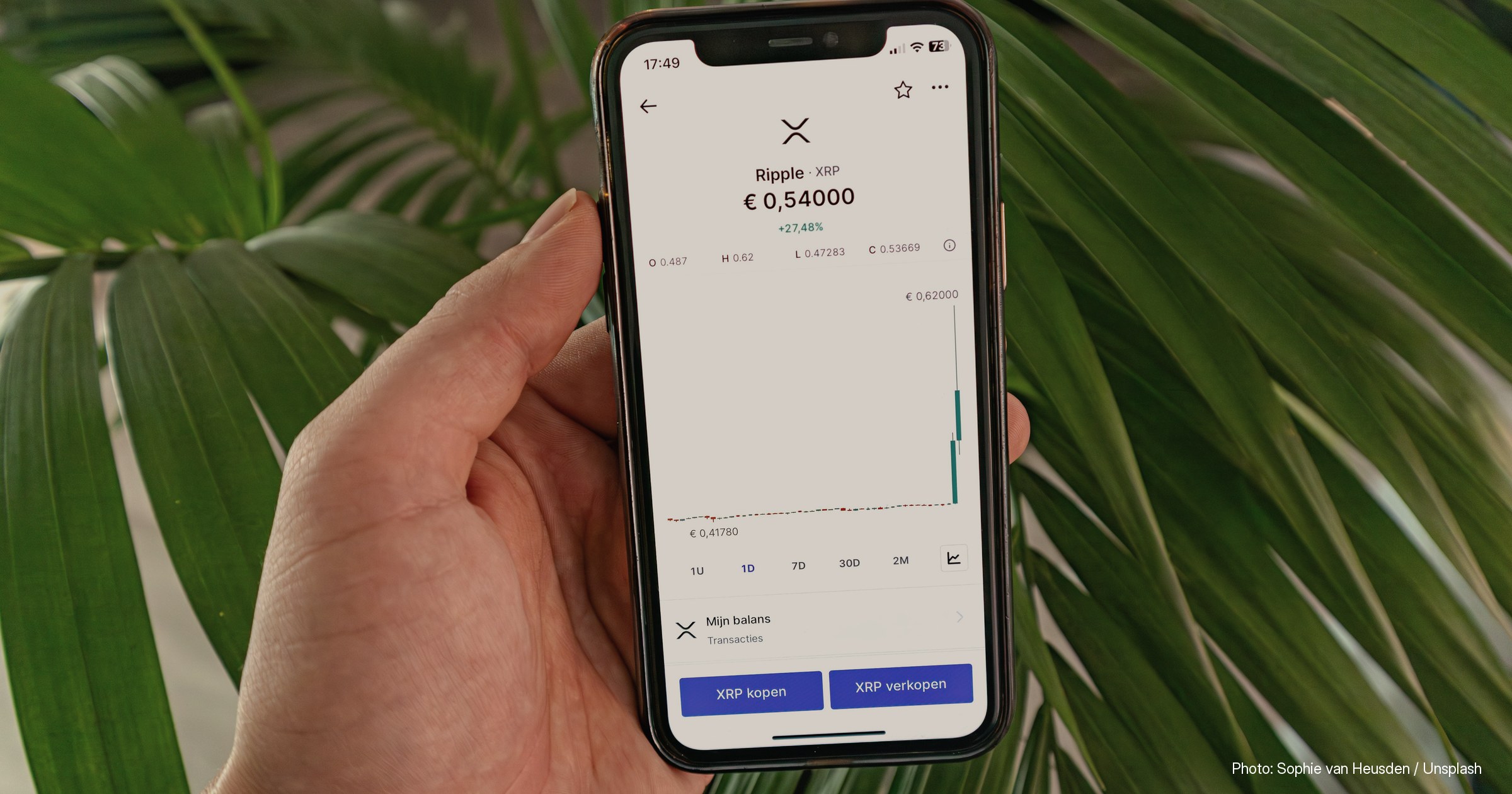
Ripple has voted to support a major amendment as part of the XRP Ledger's upcoming 3.3.0 upgrade, according to a report from CoinGape. The company operates as one of the network's validators and its endorsement carries weight in the decentralized governance process that determines which changes are ultimately activated on the ledger.
The XRP Ledger uses an amendment system to introduce new features or modify existing rules. Under this system, validators signal support for proposed changes through their votes. An amendment typically needs sustained supermajority backing among validators before it can be activated on the live network. Ripple's participation as a validator gives its vote visibility, though it does not by itself determine the outcome.
News of the amendment vote arrived alongside a notable move in XRP's price. Crypto.news reported that XRP rallied 17% as support for the amendment gained traction. The timing suggests some market participants viewed the amendment news as a positive signal for the network's development trajectory, though price moves in crypto markets often reflect a mix of factors beyond a single technical update.
The XRP Ledger has undergone several amendment cycles over the years, each aimed at improving functionality, security, or efficiency. Version upgrades like 3.3.0 typically bundle multiple proposed changes, with some amendments addressing consensus mechanics and others targeting features such as token issuance, decentralized exchange functionality, or smart contract-style capabilities. Specific details of what this particular amendment changes were not disclosed in the available reporting.
Ripple's involvement in ledger governance is closely watched given its history as a founding contributor to the XRP Ledger's codebase. While the network operates independently of Ripple as a company, Ripple remains an active participant in its technical ecosystem, including running validator nodes and contributing code proposals.
Investors and developers tracking the XRP Ledger often monitor amendment votes as an indicator of the network's direction. A successful vote can pave the way for new capabilities once the amendment reaches the required threshold and is formally activated across the network's validator set.
Market Impact
The reported 17% rally in XRP suggests that some traders interpreted the amendment news as a bullish catalyst, though the exact causal relationship between the technical update and the price move has not been independently detailed. Price reactions to governance or protocol news in crypto markets can be amplified by broader sentiment, trading volume, or unrelated macro factors occurring at the same time.
For the XRP Ledger ecosystem, continued validator support for the amendment could signal forward momentum in the network's development roadmap. Developers and businesses building on the ledger typically watch these governance outcomes closely, since new amendments can unlock features relevant to payments, tokenization, or decentralized finance applications running on the network.
As the XRP Ledger community awaits further clarity on the amendment's specific technical scope, Ripple's validator support marks another step in the network's ongoing governance process ahead of the 3.3.0 upgrade.
Frequently Asked Questions
What is an amendment in the XRP Ledger?
An amendment is a proposed change to the XRP Ledger's rules or features that requires supermajority support from network validators before it can be activated.
Why does Ripple's vote matter for the XRP Ledger?
Ripple operates as one of the network's validators, and as a founding contributor to the ledger's codebase, its votes are closely watched even though the network operates independently of the company.
Did the amendment vote directly cause XRP's price rally?
Reporting links the two events in timing, but the exact relationship between the amendment news and the 17% price move has not been detailed in available sources.
When will the XRP Ledger 3.3.0 upgrade take effect?
Specific activation timing was not provided in the available reporting, and amendments typically require sustained validator support before going live.