

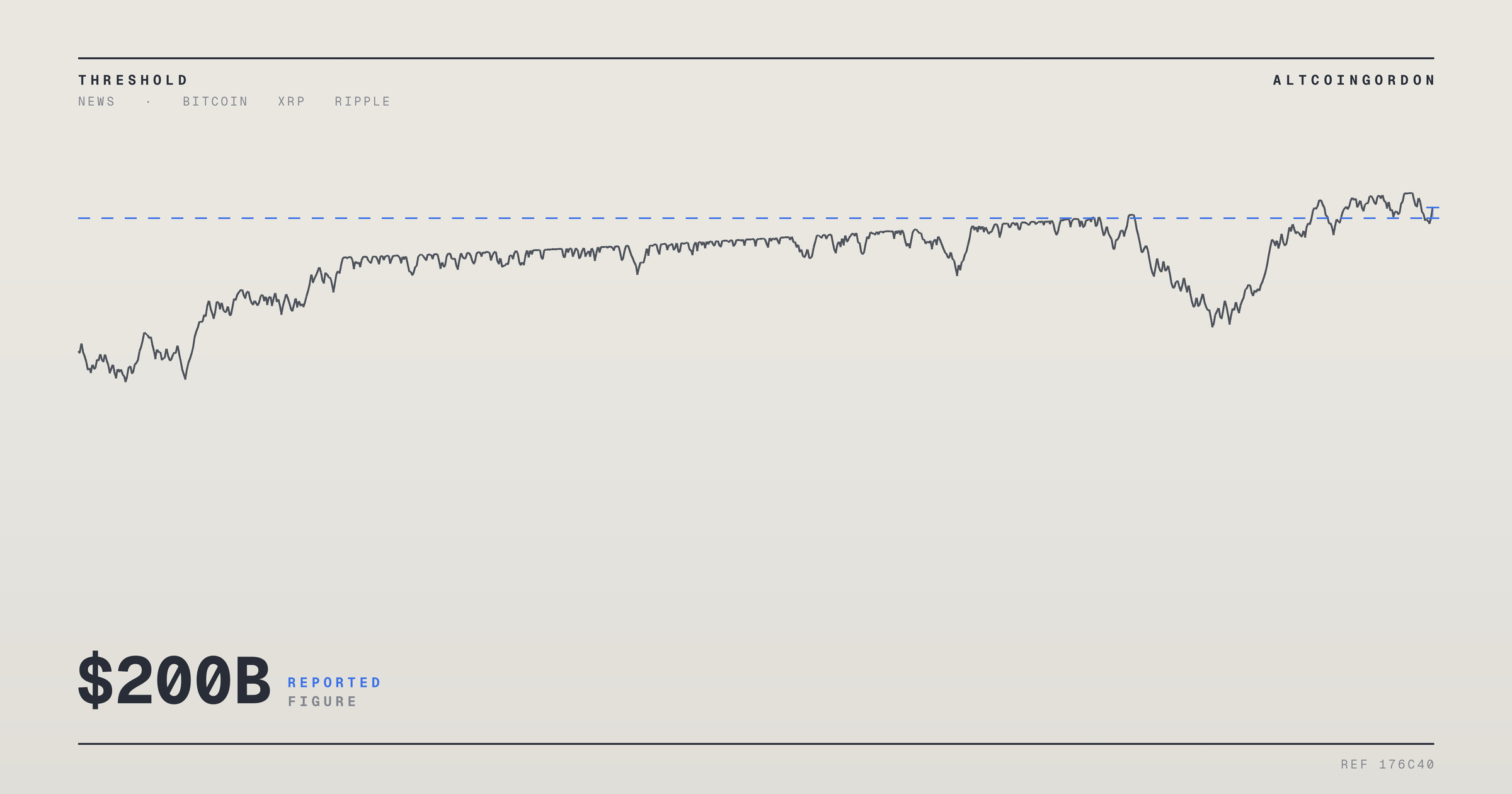
Ripple has singled out Turkey as a priority market for its digital assets business, according to reporting from Bitcoin.com News and CoinGape. The company cites an estimated $200 billion in local crypto trading activity as evidence of strong demand. That demand comes as the Turkish lira continues to face depreciation pressure, a dynamic that has long pushed Turkish savers and traders toward dollar-denominated assets.
CoinGape reports that Ripple has flagged Turkey specifically as a digital assets hub, linking the move to custody work with Garanti BBVA, one of the country's largest banks. Custody partnerships with established financial institutions are often a precursor to broader stablecoin and payments integration, since banks provide the regulatory standing and client trust that crypto-native firms frequently lack in emerging markets.
The reporting also ties Ripple's Turkey strategy to RLUSD, the company's U.S. dollar-pegged stablecoin. Stablecoins have become a common entry point for crypto adoption in countries experiencing currency instability. Users in such markets often turn to dollar-backed tokens as a way to preserve purchasing power without needing direct access to U.S. banking.
Turkey has one of the highest rates of crypto ownership among emerging economies, a trend widely linked to years of double-digit inflation and lira depreciation. Local exchanges have reported substantial trading volumes relative to the size of the domestic economy, reinforcing the country's position as a focal point for digital asset firms expanding outside the United States and Europe.
Ripple's broader business has increasingly centered on institutional infrastructure, including custody, cross-border payments and stablecoin issuance, rather than solely its XRP token. The company has pursued bank partnerships in multiple regions as part of that strategy. A custody relationship with a major Turkish bank would fit that pattern, giving Ripple a regulated channel into a market where informal and offshore crypto use has historically outpaced formal banking involvement.
Neither source detailed the specific scope, timeline or regulatory approvals tied to the Garanti BBVA custody arrangement. The reports describe Ripple's stated market ambitions and the infrastructure pieces, custody and RLUSD, that underpin them, without specifying transaction volumes or formal agreements beyond what has been reported.
Market Impact
If Ripple's Turkey push advances, it could expand RLUSD's footprint in a market already characterized by heavy dollar-asset demand. A bank custody relationship may also lend regulatory legitimacy to stablecoin use in Turkey, potentially influencing how local authorities approach digital asset oversight more broadly.
For Ripple, successful entry into a $200 billion local market would mark a significant expansion of its institutional footprint outside its core U.S. and European operations. Broader implications for XRP's price or trading volumes were not addressed in the available reporting.
Ripple's interest in Turkey underscores how currency instability continues to drive crypto and stablecoin adoption in emerging markets. Further details on the scope of the Garanti BBVA custody arrangement and RLUSD's rollout are likely to clarify how far this expansion extends.
Frequently Asked Questions
Why is Ripple focusing on Turkey?
Reports indicate Ripple sees Turkey as a priority market due to an estimated $200 billion in local crypto activity and continued pressure on the lira, which has driven demand for dollar-linked assets.
What role does Garanti BBVA play in Ripple's plans?
CoinGape reports that Ripple is working with Garanti BBVA on custody infrastructure, which could provide a regulated channel for digital asset services in Turkey.
What is RLUSD and how does it relate to this story?
RLUSD is Ripple's U.S. dollar-pegged stablecoin. Reports link it to Ripple's Turkey strategy as a potential rail for payments and savings amid lira depreciation.
Has Ripple confirmed formal agreements or regulatory approvals in Turkey?
The available reporting describes Ripple's stated market interest and infrastructure links, including custody and stablecoin rails, without specifying finalized agreements or approval timelines.