

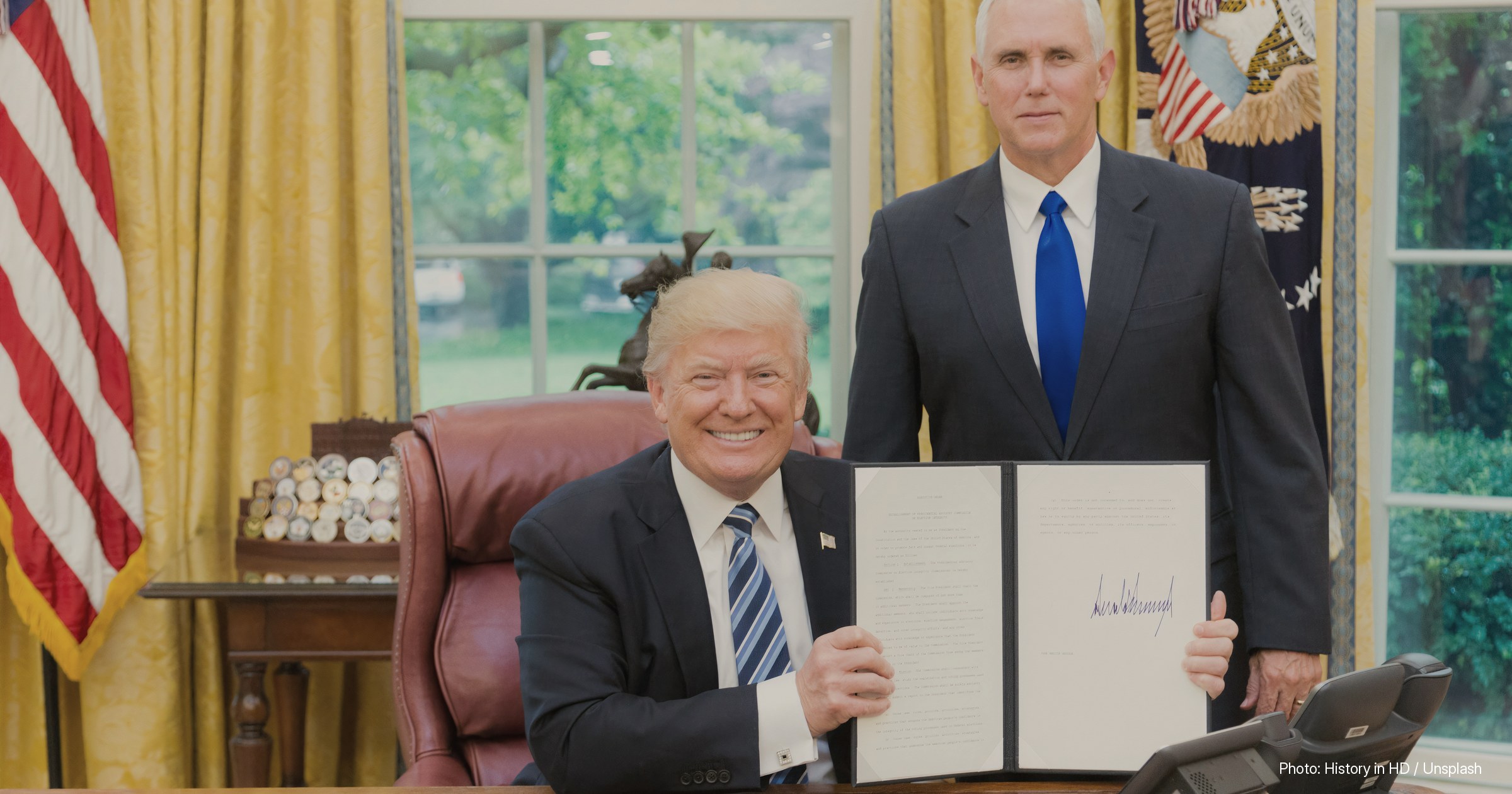
President Donald Trump has unveiled a new federal initiative aimed at coordinating the government's approach to artificial intelligence. According to multiple reports, Jay Clayton has been selected to lead the effort.
Accounts of Clayton's current title differ slightly across reports. Some describe him as the nation's intelligence chief, while others refer to him as the national intelligence director. The discrepancy underscores how fast-moving this announcement has been, with details still being clarified publicly.
Similarly, the name and scope of the new body are not yet fully settled in public reporting. One account refers to it as a 'Super Intelligence Force,' while another describes it as a federal AI task force. A third report uses the term 'AI czar' to describe Clayton's new role. These differences may reflect evolving official language rather than conflicting facts.
What is consistent across the reporting is the core development: Trump has moved to create a dedicated structure for artificial intelligence policy, and he has placed a senior intelligence official at its head. This signals that the administration views AI as a matter of national security significance, not solely an economic or industrial policy issue.
The move comes amid a broader global push by governments to formalize oversight of advanced AI systems. Washington has faced pressure to clarify its stance on AI regulation, particularly as the technology intersects with national security, critical infrastructure, and financial markets. Placing an intelligence-community figure at the helm suggests the administration intends to treat AI governance as closely tied to security concerns.
For the broader technology and digital asset sectors, the announcement adds to a growing list of federal moves touching on AI. Crypto markets have increasingly overlapped with AI narratives, from blockchain-based compute networks to AI-linked tokens. Any new federal body shaping AI policy could eventually influence how such projects are regulated or scrutinized.
Details on the new force's budget, staffing, and specific authority have not yet been disclosed in the reporting reviewed. It remains unclear whether the body will have rulemaking power or serve primarily in an advisory and coordination capacity. Further clarity is expected as the administration releases formal documentation or holds briefings on the initiative.
Market Impact
Direct market reaction to personnel announcements of this kind is typically muted, since they do not immediately change rules or enforcement priorities. However, investors in AI-linked crypto tokens and blockchain infrastructure projects tend to watch federal AI policy signals closely, given the sector's sensitivity to regulatory sentiment.
If the new body eventually issues concrete guidance affecting data, compute, or AI-blockchain integrations, that could have downstream effects on related token valuations and investment flows. For now, the announcement functions mainly as a signal of administration priorities rather than a binding policy change.
The creation of this new federal body marks an early step in what could become a more defined U.S. approach to artificial intelligence governance. Markets and industry participants will likely look for further details on its authority and mandate in the weeks ahead.
Frequently Asked Questions
What is the new federal body Trump announced?
Reports describe it as a new effort to coordinate federal artificial intelligence policy, though outlets differ on whether to call it a 'Super Intelligence Force' or a federal AI task force.
What role will Jay Clayton play?
Clayton has been named to lead the new initiative. Reports vary on his current title, describing him as either the national intelligence director or the nation's intelligence chief.
Does this change AI regulation immediately?
No specific rules or enforcement changes have been detailed in the reporting so far. The announcement establishes leadership and intent rather than finalized policy.
Why does this matter for crypto markets?
AI policy increasingly intersects with blockchain infrastructure and AI-linked tokens, so any future guidance from this body could eventually affect related digital asset projects.