

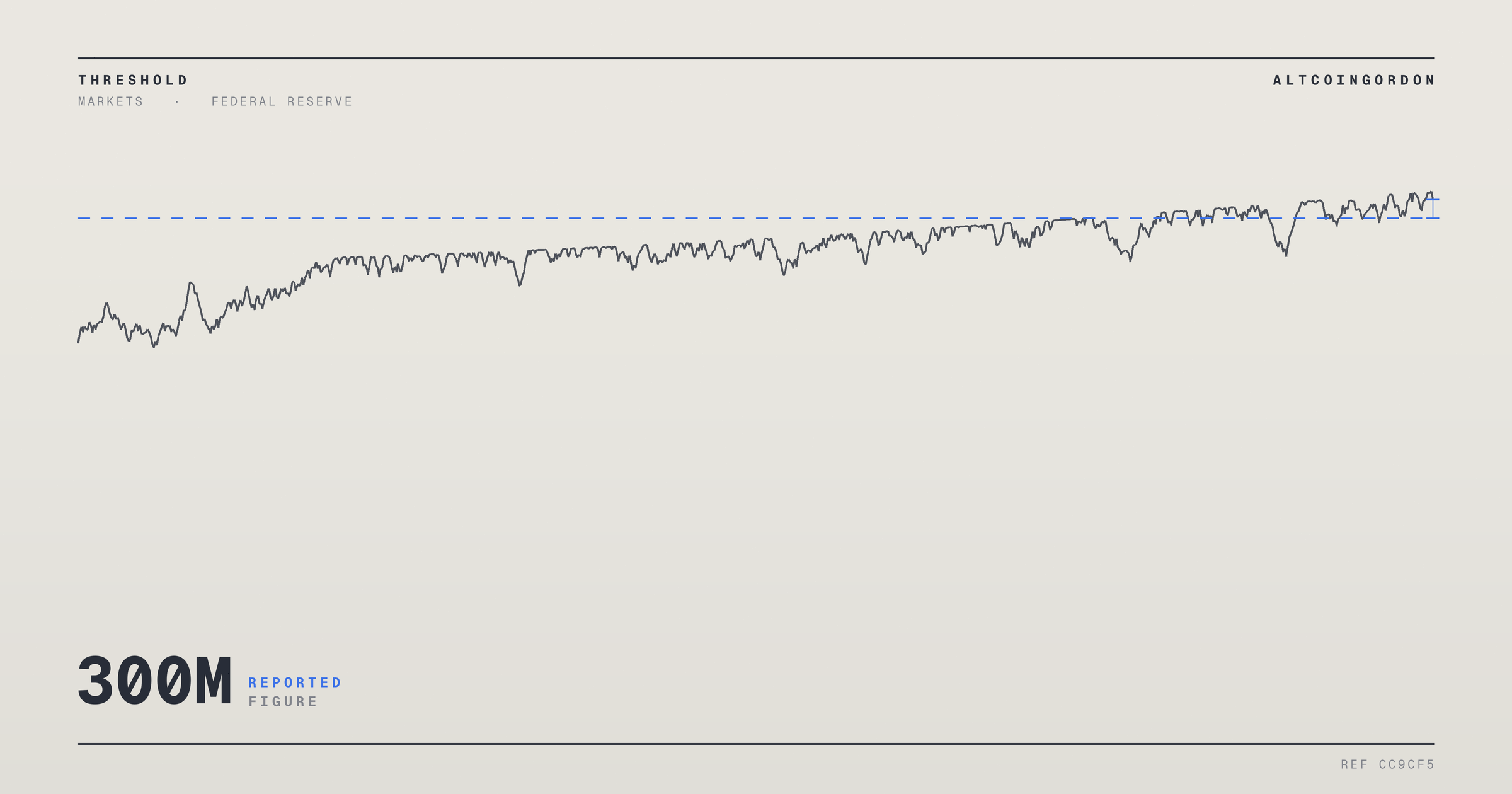
The US Strategic Petroleum Reserve has dropped below 300 million barrels for the first time in more than four decades, CryptoBriefing reported on August 10. The last time the reserve sat this low was 1983, shortly after the stockpile was built up in response to the oil shocks of the 1970s.
The Strategic Petroleum Reserve was created after the 1973-74 Arab oil embargo. Its purpose is to give the United States a cushion against sudden disruptions to global crude supply. Barrels are typically released during emergencies, or sold to raise federal revenue, and refilled when market conditions allow.
The reserve has shrunk substantially since 2021, when large releases were authorized to help offset a spike in gasoline prices tied to the war in Ukraine and broader supply disruptions. Refilling efforts since then have been gradual, and the latest figures suggest replenishment has not kept pace with earlier withdrawals.
A reserve below 300 million barrels leaves less immediate capacity to respond to a major supply shock, such as a conflict affecting a key oil-producing region or a disruption to shipping routes. Energy analysts have long debated the appropriate size of the reserve relative to US oil consumption and import dependence, which have both shifted as domestic production has grown.
The drawdown matters beyond energy policy circles because oil prices feed directly into inflation readings that shape Federal Reserve decisions. Persistent moves in crude prices can influence expectations for interest rates, which in turn affect appetite for riskier assets, including equities and cryptocurrencies. A thinner reserve could, in theory, leave oil markets more exposed to price swings if a real supply disruption occurs.
It is worth noting that the current reporting on this milestone comes from a single account published by CryptoBriefing. The underlying data on reserve levels is generally drawn from US Department of Energy figures, which are released on a regular schedule and are typically considered a reliable benchmark for the size of the stockpile. As with any single data point, readers should watch for confirmation through official government releases in the days ahead.
Market Impact
Lower Strategic Petroleum Reserve levels do not have a direct or immediate mechanical link to crypto prices. However, they sit within a broader macro backdrop that traders in digital assets watch closely. Oil supply and inventory data influence energy prices, which factor into inflation reports and, by extension, Federal Reserve policy expectations. Shifts in rate expectations have repeatedly moved risk assets, including Bitcoin and major altcoins, over the past several years.
A reserve at its lowest point since 1983 could also add to market sensitivity around any future geopolitical event that threatens oil supply. If crude prices react sharply to such an event, that volatility could spill into broader risk sentiment, affecting both traditional equities and crypto markets in tandem. For now, the reserve figure is best understood as a background risk factor rather than a direct catalyst for crypto price action.
The drop below 300 million barrels marks a symbolic and practical low point for the US emergency oil stockpile. Its longer-term significance will depend on whether refilling accelerates and how energy markets respond to any future supply shocks.
Frequently Asked Questions
What is the Strategic Petroleum Reserve?
It is an emergency stockpile of crude oil held by the US government, created in the 1970s to cushion the country against sudden disruptions to oil supply.
Why did the reserve fall to its lowest level since 1983?
Large releases starting in 2021 aimed at easing high gasoline prices reduced the stockpile significantly, and refilling since then has been gradual, according to the reported figures.
Does a lower reserve directly affect cryptocurrency prices?
Not directly. Any influence would likely come indirectly, through oil prices affecting inflation data and Federal Reserve policy, which can shape broader risk-asset sentiment including crypto markets.
Has this reserve level been confirmed by government data?
The figure was reported by CryptoBriefing, and official confirmation would typically come from the US Department of Energy's regular inventory releases.