

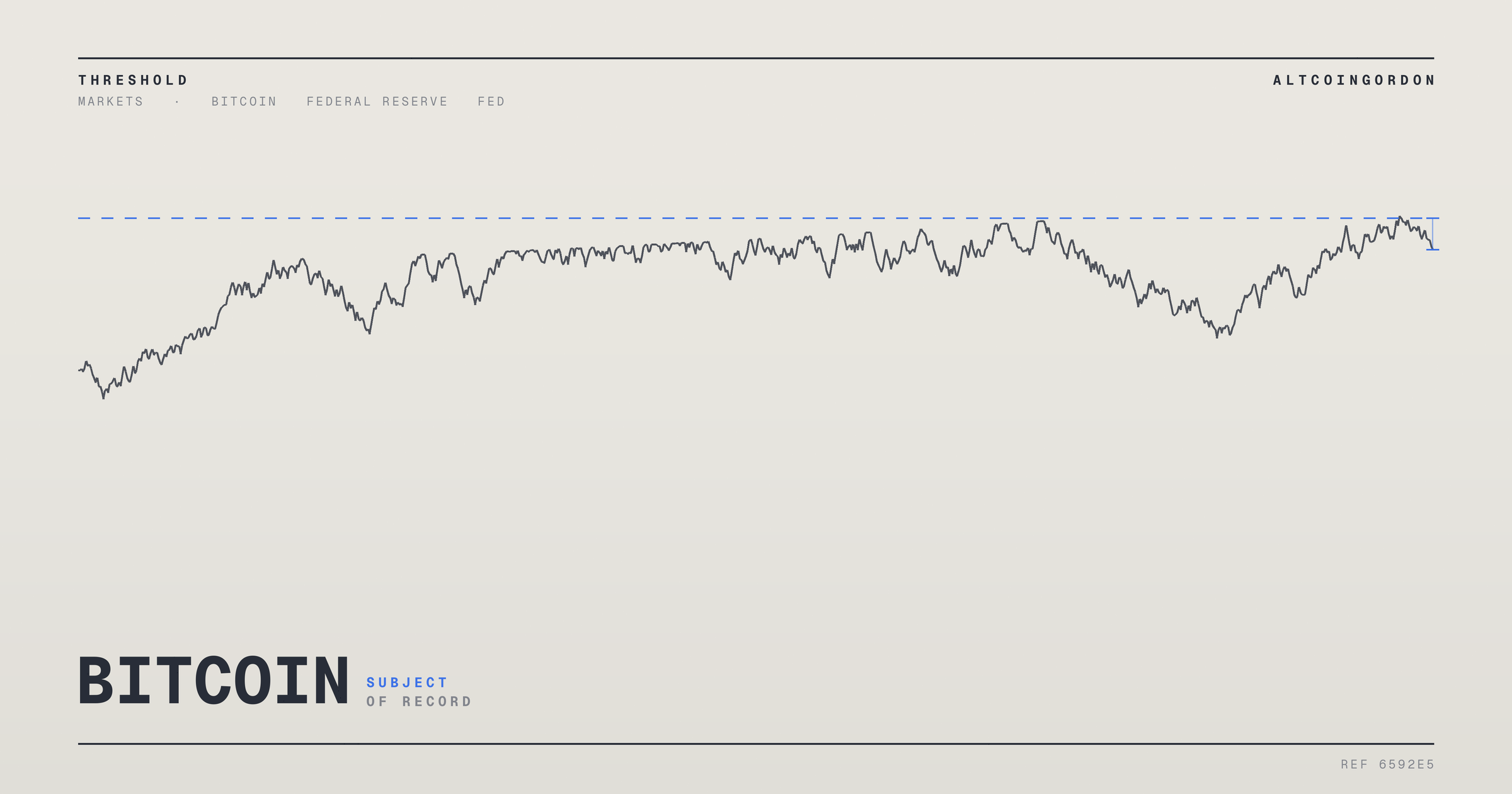
Bitcoin absorbed the latest Federal Reserve interest rate hike without a dramatic price swing, according to reporting from Cointelegraph. Fed officials indicated that further tightening could follow, extending a policy stance aimed at controlling inflation. The relatively calm market reaction stands out given the sensitivity crypto assets have historically shown to shifts in monetary policy.
CoinDesk reported that some market participants are drawing parallels between the current environment and 2022. That year, an aggressive Fed hiking cycle coincided with a prolonged decline in Bitcoin and broader crypto markets. The comparison has become a reference point for traders trying to gauge how digital assets might respond if tightening continues.
Interest rate policy affects crypto markets primarily through liquidity and risk appetite. Higher rates tend to make borrowing more expensive and safer assets like bonds more attractive. That dynamic can pull capital away from speculative investments, including Bitcoin and altcoins. When the Fed signals more hikes are coming, investors often price in reduced liquidity ahead of time.
The fact that Bitcoin did not see a sharp selloff after this latest hike suggests the market may have already priced in the move. Traders frequently anticipate central bank decisions using futures markets and economic data. A widely expected hike, even a hawkish one, can produce less volatility than a surprise announcement.
Still, the mention of further tightening keeps uncertainty elevated. Officials have not specified how many additional increases might occur or over what timeframe. That ambiguity leaves room for continued market sensitivity to future Fed commentary, economic reports, and inflation data releases.
The 2022 comparison carries weight because that cycle demonstrated how sustained tightening can erode crypto valuations over many months rather than in a single shock. Analysts referencing that period are not predicting a repeat, but flagging structural similarities worth monitoring. Whether this cycle unfolds the same way will depend on inflation trends, labor market data, and how aggressively the Fed continues its policy path.
Market Impact
A muted initial reaction to a Fed hike does not eliminate the risk of delayed market effects. Historically, tightening cycles have weighed on Bitcoin and other risk assets over extended periods rather than immediately. If the Fed follows through on signaled additional increases, liquidity conditions could tighten further, potentially pressuring crypto valuations later in the cycle.
Investors are likely to watch upcoming Fed communications closely for clues on pace and magnitude of further hikes. Market participants referencing the 2022 parallel will be monitoring whether current price action begins to mirror that period's slower, sustained decline, or whether crypto markets prove more resilient this time.
For now, Bitcoin's stability after the Fed's move suggests the market had largely anticipated the hike. Attention now shifts to how officials follow through on signals of further tightening in the months ahead.
Frequently Asked Questions
Why did Bitcoin not fall sharply after the Fed's rate hike?
Reports indicate the hike was largely expected by markets, meaning traders may have already priced in the decision before it was announced.
What is the 2022 comparison analysts are making?
In 2022, a sustained Fed rate-hiking cycle coincided with a prolonged decline in Bitcoin and other crypto assets, and some analysts see structural similarities to the current environment.
How do interest rate hikes typically affect Bitcoin?
Higher rates can reduce overall market liquidity and make safer assets more attractive, which has historically pressured speculative assets like Bitcoin.
Did the Fed specify how many more rate hikes are coming?
According to the reporting, officials indicated further tightening is possible but did not detail a specific number or timeline for additional increases.