

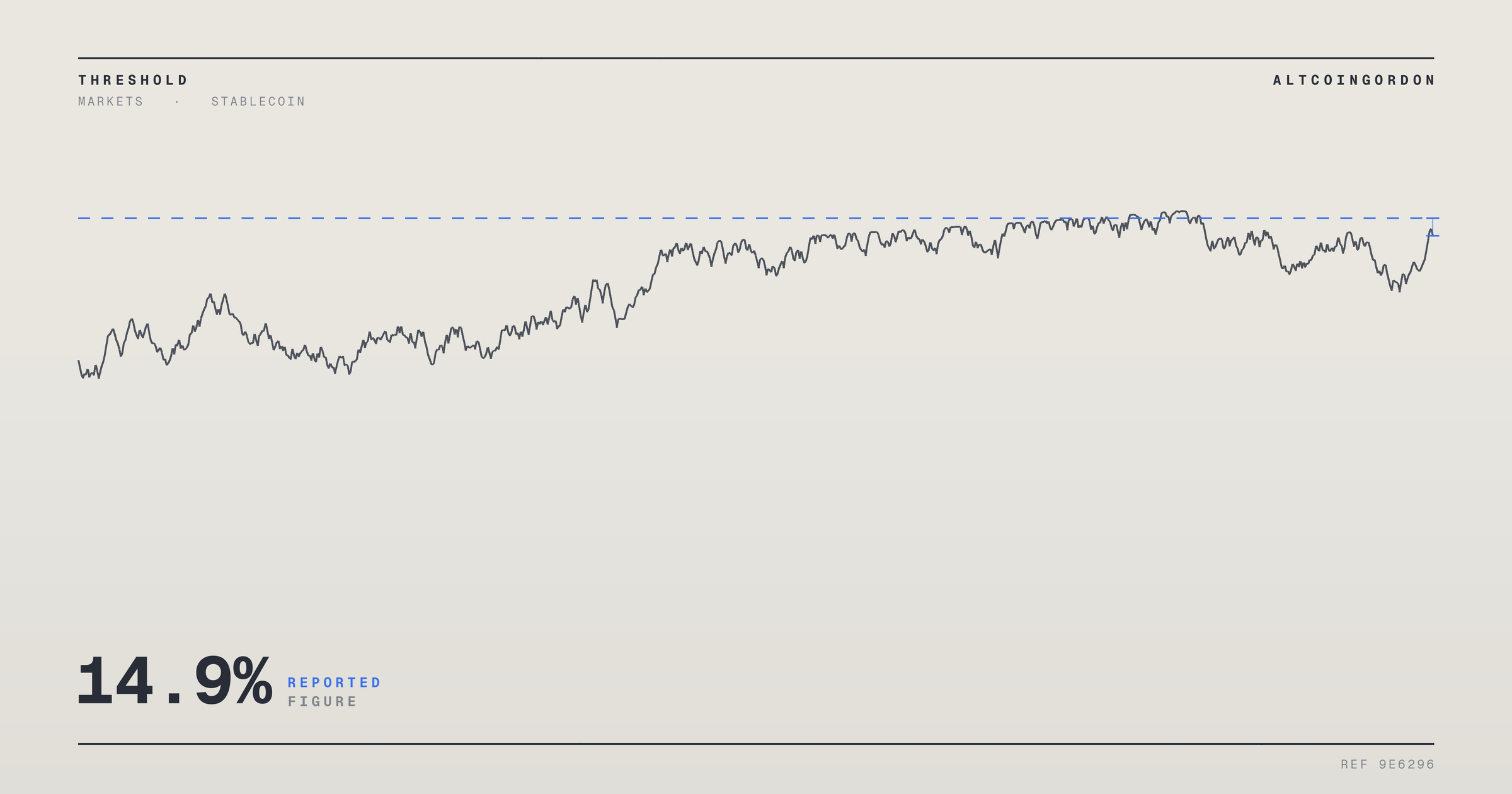
Egypt's inflation rate climbed to 14.9% in the latest reading, ending a three-month stretch of gradual cooling, Nairametrics reported. The increase marks a notable shift after months of steady disinflation that had offered some relief to households and policymakers alike.
Egypt has spent much of the past two years battling elevated inflation tied to currency devaluation, import costs, and broader macroeconomic pressures. The country's central bank has relied on a combination of interest rate adjustments and foreign currency management to bring price growth under control. The latest data suggests that progress on that front may not be as linear as recent months had indicated.
A three-month cooling streak, while short, had been read by many observers as a sign that earlier monetary tightening and currency stabilization efforts were beginning to take hold. The rebound to 14.9% complicates that narrative. It suggests underlying price pressures, whether from food costs, energy, or import-linked expenses, remain difficult to fully contain.
For an economy still working through an International Monetary Fund-backed reform program, inflation trends carry outsized significance. Egypt's authorities have tied much of their policy credibility to demonstrating sustained disinflation. A reversal, even a modest one, can shape expectations among consumers, businesses, and international creditors watching the country's fiscal trajectory.
High and volatile inflation environments like Egypt's have also been closely watched within the digital asset industry. In countries where local currencies lose purchasing power quickly, residents have historically turned to dollar-denominated assets, including stablecoins, as a way to preserve value. Renewed inflationary pressure could reinforce that behavior, even though no specific data on stablecoin usage in Egypt was provided alongside this report.
It remains unclear what specifically drove the increase from the prior month's reading. Inflation figures across emerging markets are often influenced by a mix of currency movements, seasonal food price swings, and energy cost pass-through. Without additional detail on the components driving the rise, it is difficult to isolate a single cause behind the jump to 14.9%.
Egypt's central bank will likely factor this data into its next policy deliberations. Analysts across the region tend to watch inflation readings closely for signals on interest rate direction, given the bank's dual mandate of supporting growth while containing price pressures.
The broader Middle East and North Africa region has seen mixed inflation trends this year, with some economies stabilizing faster than others. Egypt's latest figure places it back among the higher inflation readers in the region, at least temporarily reversing recent gains.
Market Impact
A renewed uptick in Egyptian inflation could influence the central bank's approach to interest rates in coming policy meetings, particularly if the increase proves persistent rather than a one-month deviation. Higher inflation readings often support arguments for maintaining or extending tighter monetary policy, which can affect borrowing costs across the economy.
For global investors and businesses tracking emerging market currencies, sustained inflation volatility in Egypt may also factor into broader assessments of currency risk. In markets where local currency instability persists, demand for dollar-linked assets, including certain crypto instruments, has historically tended to rise, though this report does not provide specific figures on any such shift.
The break in Egypt's cooling trend adds a new data point to an already closely watched inflation story, with implications for monetary policy and household purchasing power still unfolding.
Frequently Asked Questions
What is Egypt's current inflation rate?
Egypt's annual inflation rate rose to 14.9%, according to the reported figure, ending three consecutive months of decline.
Why does this inflation increase matter?
It interrupts a recent cooling trend that had been viewed as evidence of successful disinflation efforts, raising questions about the durability of that progress.
What caused the rise in Egypt's inflation rate?
The specific drivers behind the increase were not detailed in the available reporting, though inflation in emerging markets is commonly influenced by currency movements, food prices, and energy costs.
How might this affect Egypt's monetary policy?
The central bank could weigh this data when deciding on future interest rate moves, especially if elevated inflation persists in coming months.