

Two outlets covering the same treasury exit cannot agree on the size of the last sale, and nothing in the published record settles which one is right.
Two Outlets Give Ten-Fold Different Numbers For The Same Sale
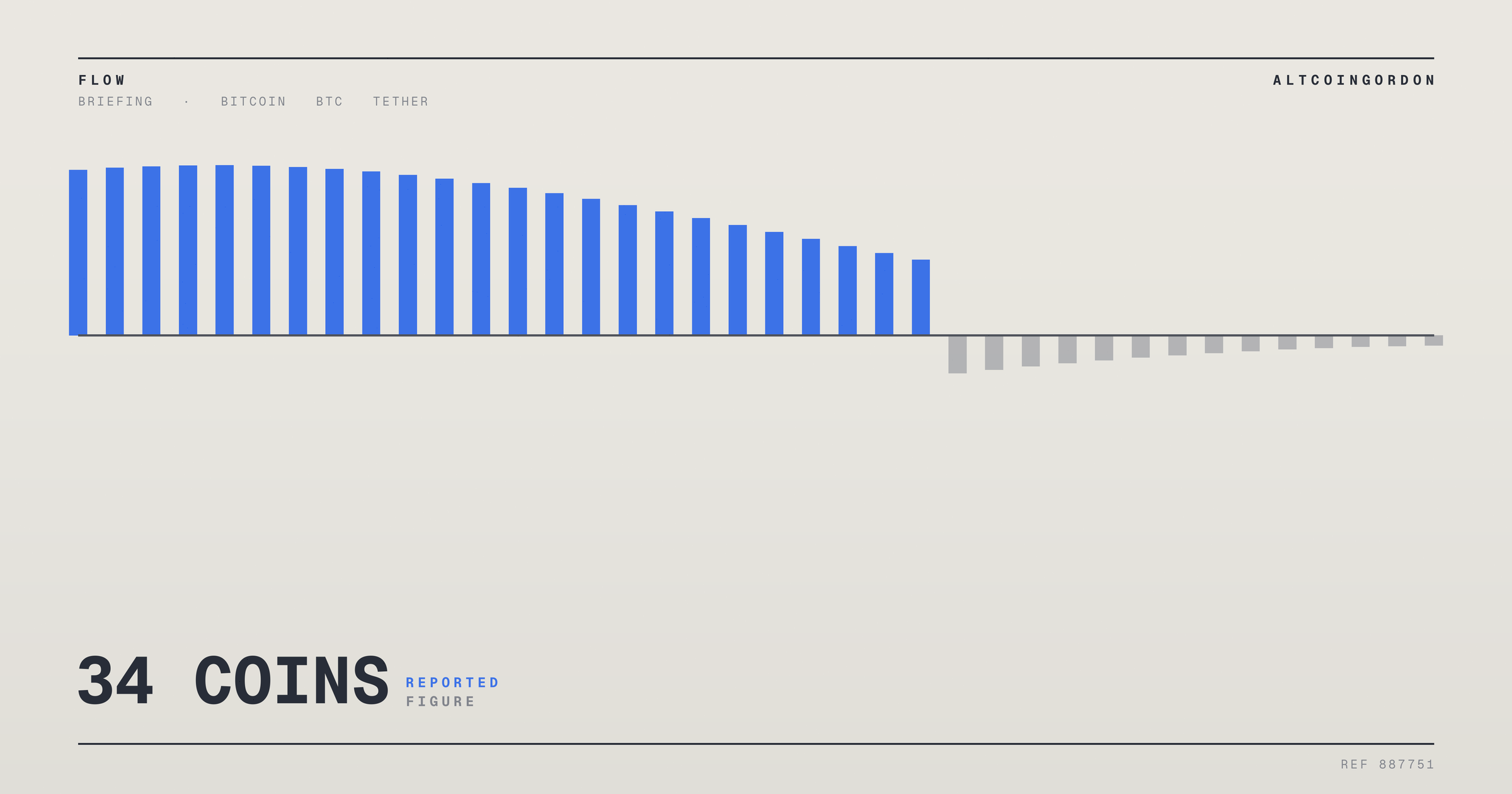
BlockchainReporter and CoinTurk News EN both report that Sequans has finished exiting its Bitcoin treasury, and both frame it as the close of the story. What they do not agree on is the number that matters most: the size of the final transaction. One account puts the closing sale at 314 coins. The other puts it at 34. A gap of that size is not a rounding difference or a translation slip between outlets covering the same event from different desks; it is a factual contradiction that changes the reading of the whole exit, since a 314-coin final sale describes a company clearing a meaningful residual position, while a 34-coin sale describes tidying up a remainder.
Neither Report Is A Primary Document, So The Gap Stays Open
Nothing in what has been published resolves this. Neither BlockchainReporter nor CoinTurk News EN is cited here as drawing on a company filing, an on-chain transaction record, or a statement from Sequans itself; both are simply reporting a number as the final sale figure. Without a primary source such as a treasury disclosure or a verifiable wallet transaction to check either number against, there is no basis for preferring one outlet's account over the other's. That is not a criticism of either outlet. It is the honest state of the record: an unconfirmed discrepancy, not a resolved fact with one side wrong.
The Corroboration Gap Between These Two Stories Is The Real Lesson
Set the Sequans conflict against the Circle-Binance story published the same day, and the contrast in evidentiary weight is stark. The claim that Circle's distribution deal with Binance strengthens USDC's position against Tether's USDT is carried by three independent publishers, with BitKE, CoinDesk, Cointribune EN and crypto.news all reporting the same arrangement, which puts it among the better-supported items of the period. Nobody has published a rival account claiming the deal did not happen, or that its terms were materially different. The Sequans story has the opposite problem: two publishers, a specific number in dispute, and no third account to arbitrate. Corroboration count is not just a nicety here; it is the difference between a claim a reader can build on and one that has to be held at arm's length until a primary document surfaces.
What This Pair Does Not Establish
None of this tells a reader whether Sequans's Bitcoin treasury is now fully wound down or whether a residual position remains, because that answer depends on which of the two disputed figures is correct. It also does not cast doubt on the Circle-Binance reporting, which stands on its own corroboration regardless of what is happening with Sequans. The two stories simply illustrate, side by side, what a well-supported crypto claim looks like against one that is not yet settled. Readers should treat the 314-versus-34 gap as an open question rather than as evidence that either outlet erred.
The Sequans figure is the one to hold onto precisely because it is unresolved: until a primary filing or on-chain record surfaces, 314 and 34 sit as two competing accounts of the same sale, and the honest position is to report the conflict rather than pick a side.
Stories in this edition
Publisher counts are as at publication and keep moving; each story page carries the live number.
- Sequans BTC Exit: Final Sale 314 or 34 Coins? publisher count pending — this is the disputed-figures story the whole edition turns on
- Circle Gains Ground on Tether After Binance Distribution Deal, Analysts Say 3 independent publishers — used as the corroborated contrast case against the unresolved Sequans figures
The Sequans figure is the one to hold onto precisely because it is unresolved: until a primary filing or on-chain record surfaces, 314 and 34 sit as two competing accounts of the same sale, and the honest position is to report the conflict rather than pick a side.