

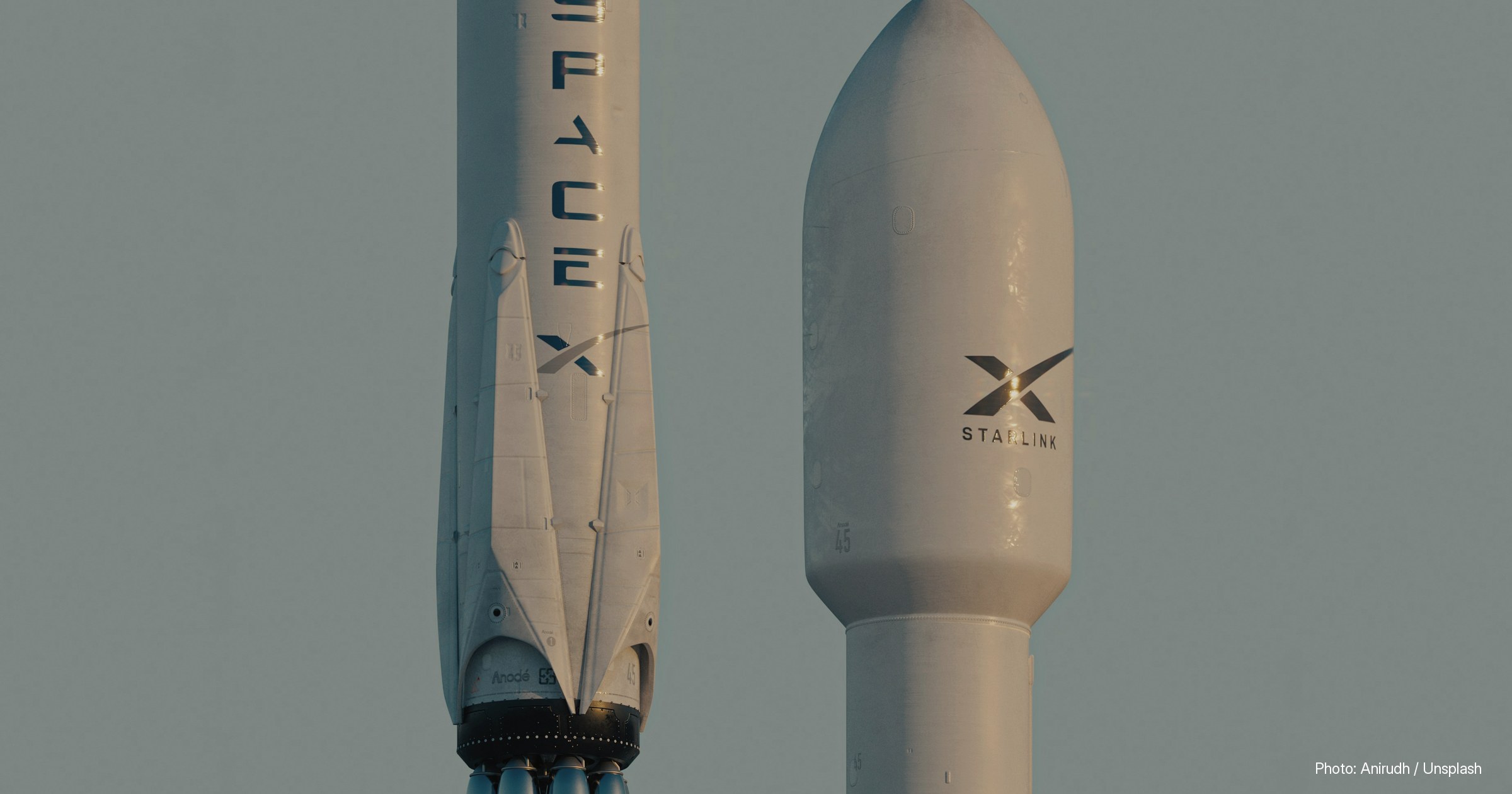
SpaceX has issued guidance projecting first-quarter 2027 revenue of between $33 billion and $37 billion. The company attributes much of that expected growth to demand connected to artificial intelligence compute infrastructure. The figures were reported following the company's latest financial disclosures covering the third quarter of 2026.
In that period, SpaceX posted revenue of $14.58 billion, a 161% increase compared to the same quarter a year earlier. Profit for the quarter came in ahead of internal estimates, according to the disclosure. The scale of that jump underscores how quickly the company's revenue base has expanded beyond its traditional launch and satellite internet businesses.
SpaceX has historically generated revenue through two main channels. Its launch services division handles commercial, government, and national security payloads. Its Starlink satellite internet division serves consumer and enterprise broadband customers worldwide. The new guidance suggests a third driver is emerging around AI compute, though the exact mechanics of that revenue stream were not detailed in the reports.
The shift toward AI-linked revenue mirrors a broader pattern across technology and infrastructure companies. Firms with large-scale data processing, satellite networks, or energy capacity have increasingly positioned themselves as suppliers to the AI buildout. Hyperscalers and cloud providers have driven massive capital spending on compute capacity over the past two years. SpaceX's guidance indicates it may be positioning its satellite and ground infrastructure to participate in that demand cycle.
As a privately held company, SpaceX does not file quarterly reports with securities regulators in the way public corporations do. Financial details such as these typically surface through investor materials, employee communications, or secondary market valuation updates. That makes the figures notable but also means they arrive with less standardized disclosure than a publicly traded firm would provide.
The reported revenue trajectory, if sustained, would mark a significant acceleration from SpaceX's historical growth rates. Launch cadence and Starlink subscriber growth have both expanded steadily in recent years. A jump of this magnitude, however, points to a new and distinct contributor to the top line rather than organic growth in existing segments alone.
Market watchers have increasingly looked to private technology giants like SpaceX as a barometer for AI infrastructure spending trends. Because the company sits at the intersection of satellite connectivity, computing hardware logistics, and large-scale capital deployment, its guidance can serve as an indirect signal for broader AI investment cycles. Investors in both public AI-adjacent equities and private secondary markets are likely to parse these figures closely in the coming weeks.
Market Impact
The guidance is likely to draw attention from investors tracking AI infrastructure spending across both public and private markets. SpaceX's private valuation has been a reference point for secondary market trading, and stronger-than-expected revenue could influence those valuations further. Public companies supplying satellite components, compute hardware, or data center capacity may also see investor interest shift based on how SpaceX's AI-linked revenue stream develops.
For broader markets, the report adds to a growing body of evidence that AI compute demand is spreading beyond traditional cloud providers into satellite and infrastructure firms. This could reinforce current capital allocation trends favoring companies positioned to supply computing capacity, though the private nature of SpaceX's disclosures limits the precision with which outside analysts can model the trend.
SpaceX's guidance adds a new data point to the ongoing narrative around AI compute demand reshaping revenue models across the technology sector. Confirmation of the underlying drivers will likely depend on further disclosures as the company approaches its projected first-quarter 2027 results.
Frequently Asked Questions
What revenue did SpaceX report for Q3 2026?
SpaceX reported revenue of $14.58 billion for the third quarter of 2026, a 161% increase from the same period a year earlier.
What is SpaceX's revenue guidance for Q1 2027?
The company has guided for first-quarter 2027 revenue of between $33 billion and $37 billion.
Why is AI compute cited as a growth driver?
Reports indicate SpaceX expects rising demand tied to AI compute infrastructure to contribute significantly to its projected revenue growth, though specific mechanics were not detailed.
Does SpaceX file public financial statements?
No. SpaceX is privately held and does not file standard quarterly reports with securities regulators, so these figures come from other disclosure channels.