

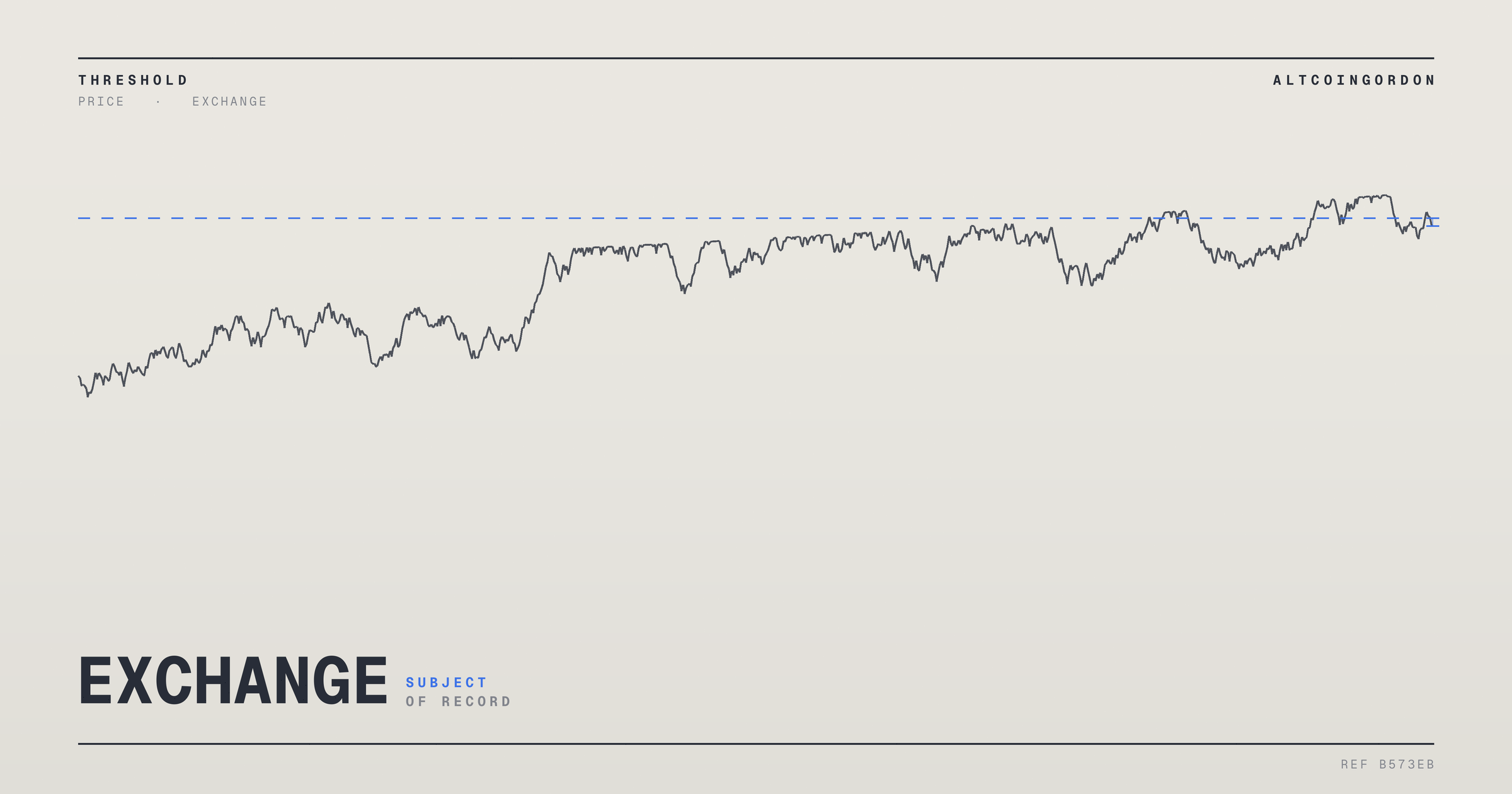
SpaceX-linked stock has broken out of a 30-day price slump, according to a report from BeInCrypto published this week. The outlet described the move as a notable shift after weeks of downward pressure on the instrument that tracks Elon Musk's private aerospace company.
SpaceX itself remains a privately held company. It does not list shares on any public exchange. Investors seeking exposure to the company have historically relied on secondary-market transactions, employee share sales, or tokenized products offered through crypto-adjacent platforms. These tokenized instruments are designed to mirror private valuations rather than trade on a regulated stock exchange.
Because SpaceX has no public listing, pricing for these proxy instruments often depends on periodic funding rounds, tender offers, and broader sentiment around the company's ventures. Starship development, Starlink subscriber growth, and speculation about a future public listing all factor into how investors value these products.
The 30-day decline referenced in the BeInCrypto report fits a pattern seen across many private-company tokenized assets. These instruments can experience sharp swings when trading volume is thin. A single large transaction, a shift in secondary-market sentiment, or news about the underlying company can move prices quickly in either direction.
Market participants watching this rebound will likely look for confirmation through sustained trading activity rather than a single price move. A breakout after a prolonged decline does not necessarily indicate a durable trend reversal. It can also reflect temporary buying interest or reduced selling pressure following the earlier drop.
The broader context matters here too. Interest in private-company exposure through tokenized products has grown alongside demand for alternative ways to invest in high-profile companies that have not gone public. SpaceX, alongside other prominent private firms, has drawn particular attention because of its scale and its central role in space launch services and satellite internet.
Any assessment of whether this rebound will hold depends on factors not fully disclosed in current reporting, including trading volume, the source of buying pressure, and whether the move aligns with any recent SpaceX corporate developments. Readers should treat single-instance price recoveries in illiquid, non-exchange-traded proxies with caution until further trading data emerges.
Market Impact
A rebound in a SpaceX-linked tokenized instrument could renew interest in private-company proxy products more broadly, particularly among investors seeking indirect exposure to high-profile firms that remain unlisted. However, because these instruments often trade with limited volume, price swings can be more pronounced than those seen in listed equities, making short-term moves harder to interpret as trend signals.
For the crypto and tokenization sector, sustained investor interest in SpaceX exposure could support continued development of platforms offering synthetic access to private valuations. A failure to hold the recent gains, by contrast, would reinforce concerns about volatility and pricing reliability in this niche corner of the market.
The recent rebound offers a data point, not a verdict, on the durability of demand for SpaceX-linked exposure. Further trading activity will determine whether this marks a genuine shift or a brief pause in an otherwise volatile pattern.
Frequently Asked Questions
Is SpaceX a publicly traded company?
No. SpaceX remains privately held and does not list shares on any public stock exchange.
How do investors get exposure to SpaceX if it isn't publicly listed?
Investors typically use secondary-market share sales, private funding rounds, or tokenized products that track SpaceX's private valuation.
What caused the 30-day price decline mentioned in the report?
The specific cause was not detailed in the available reporting, though thinly traded private-company proxies often see volatility driven by low liquidity and shifting sentiment.
Does this breakout mean the price will keep rising?
Not necessarily. A single price move after a decline does not confirm a lasting trend, especially in low-volume, non-exchange-traded instruments.